In a dramatic development at one of America's most prestigious cultural institutions, Kevin Couch has resigned from his position as senior vice-president of artistic programming at Washington DC's John F Kennedy Center for the Performing Arts less than two weeks after his appointment was officially announced.
Swift Departure Following Recent Appointment
Couch confirmed to the Guardian on Thursday that he "resigned yesterday," though he declined to provide specific reasons for his abrupt departure. The Kennedy Center had publicly announced Couch's appointment to the influential artistic programming role on 16th January, with the institution sharing the news across its social media platforms on 22nd January.
At the time of the appointment, Richard Grenell, the center's president ambassador, had expressed enthusiasm about Couch joining the team, stating: "We are proud to welcome Kevin Couch to the Trump Kennedy Center as we expand our commonsense programming. Kevin brings a clear-eyed approach to curating a roster of compelling shows that invite and inspire all audiences."
Background and Current Status
Kevin Couch, who recently served as director of programming for ATG Entertainment and founded the Dallas-based branding agency CBC creative, also confirmed his resignation to both the Washington Post and the New York Times on Wednesday. The Kennedy Center has not responded to requests for comment regarding Couch's departure.
As of Thursday morning, Couch's name no longer appears on the Kennedy Center's official website page listing "Executive Leadership & Artistic Partners," indicating the swift implementation of his resignation.
Broader Context of Institutional Turmoil
This sudden resignation occurs against a backdrop of significant upheaval at the Kennedy Center following leadership changes initiated by Donald Trump since the beginning of his second presidential term. Last year, Trump installed a new board of trustees at the institution and was subsequently elected as its new chair.
Artistic Community Response
The leadership overhaul has prompted notable reactions from the artistic community. Earlier this week, celebrated American composer Philip Glass announced he had withdrawn the world premiere of his latest symphony from the Kennedy Center in protest against Trump's presidency. Earlier this month, the Washington National Opera revealed plans to move its performances away from the venue.
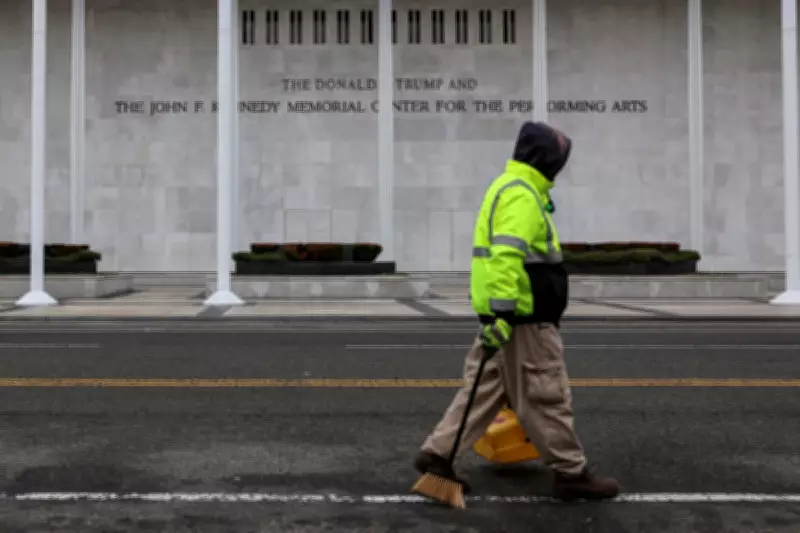
In December, the newly appointed board of trustees, handpicked by Trump, voted to rename the world-renowned institution the "Trump-Kennedy Center." However, legal complexities surround this decision, as the venue is officially designated by law as the John F Kennedy Center for the Performing Arts, established as a living memorial to the former president. According to the New York Times, any formal change to the center's name would typically require congressional approval.
Financial and Operational Impacts
The ongoing changes appear to be affecting the institution's operations. Reports from October indicated that ticket sales for the Kennedy Center's three largest performance spaces had fallen to their lowest levels in years, several months into Trump's involvement with the institution's leadership.
This combination of leadership changes, artistic withdrawals, and now the abrupt resignation of a newly appointed senior executive highlights the continuing challenges facing one of America's most prominent cultural landmarks during a period of significant transition.