The Global Resurgence of Japanese Repair Crafts
In an era dominated by mass production and disposable consumer goods, a quiet revolution is taking place as traditional Japanese repair crafts experience a remarkable global revival. These ancient techniques, including kintsugi, sashiko, boro, and kumiko, are not merely being preserved as historical artifacts but are actively embraced by contemporary artisans, designers, and sustainability advocates worldwide. This movement represents a profound shift towards valuing imperfection, longevity, and the stories embedded in objects, challenging the modern throwaway culture that often prioritizes convenience over craftsmanship.
Kintsugi: The Art of Golden Repair
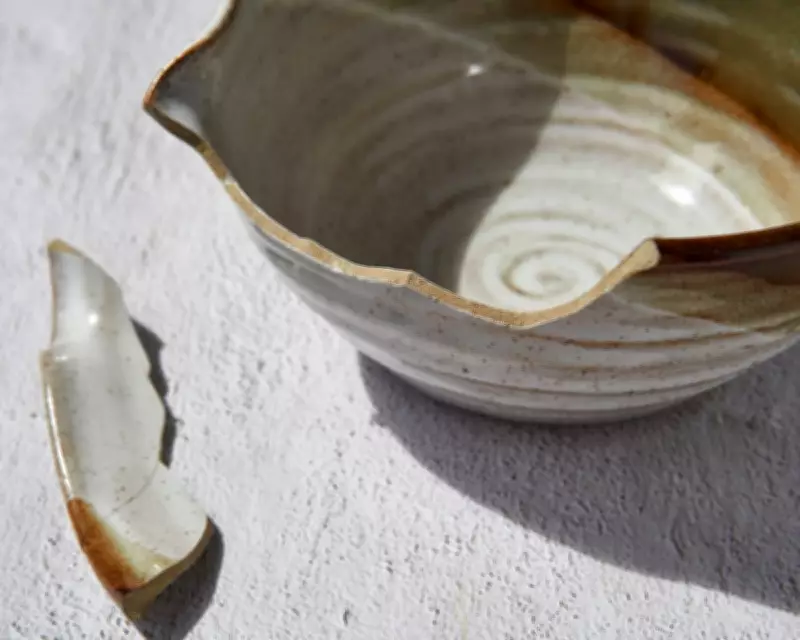
Kintsugi, which translates to "golden joinery," is perhaps the most visually striking of these crafts. Originating in the 15th century, this technique involves repairing broken pottery with lacquer mixed with powdered gold, silver, or platinum. Rather than hiding the cracks, kintsugi highlights them, transforming flaws into beautiful, gilded veins that enhance the object's history and uniqueness. The philosophy behind kintsugi—embracing damage as part of an item's narrative—resonates deeply in today's world, where mindfulness and resilience are increasingly valued. Artists and collectors are now applying kintsugi principles to various materials, from ceramics to glass, creating pieces that celebrate repair as an integral part of their aesthetic and emotional appeal.
Sashiko and Boro: Stitching Sustainability
Sashiko, a form of decorative reinforcement stitching, and boro, the practice of patching and mending textiles, have roots in Japan's frugal past, where resources were scarce and garments were repaired repeatedly to extend their lifespan. Sashiko involves using simple running stitches to create intricate geometric patterns, originally to strengthen fabrics like cotton or hemp. Boro, often resulting from generations of sashiko repairs, produces textiles with a layered, patchwork appearance that tells a story of use and care. In contemporary fashion and design, these techniques are gaining traction as symbols of sustainable living. Designers incorporate sashiko stitching into denim, jackets, and home decor, while boro-inspired pieces highlight the beauty of worn and mended fabrics, promoting a circular economy that reduces waste and honors artisanal skill.
Kumiko: Precision in Woodwork
Kumiko is a delicate woodworking craft that involves assembling small wooden pieces without nails or glue to create intricate lattice patterns, often used in shoji screens and furniture. Dating back to the Asuka period (538-710 AD), this technique requires immense precision and patience, as artisans interlock finely cut components to form geometric designs that play with light and shadow. Today, kumiko is experiencing a resurgence among woodworkers and interior designers seeking to blend traditional aesthetics with modern minimalism. Its applications have expanded beyond traditional screens to include room dividers, lighting fixtures, and decorative panels, showcasing how ancient craftsmanship can adapt to contemporary spaces while maintaining its timeless elegance.
Cultural Impact and Modern Applications
The revival of these Japanese repair crafts is not limited to niche artisan circles; it is influencing broader cultural and commercial landscapes. Workshops and online tutorials on kintsugi, sashiko, and kumiko are proliferating, making these skills accessible to a global audience. Major museums and galleries are hosting exhibitions that explore the intersection of these crafts with modern art and design, highlighting their relevance in discussions about sustainability, heritage, and creativity. In the business world, companies are adopting these principles in product design, emphasizing durability and repairability over planned obsolescence. This trend reflects a growing consumer demand for items with soul and story, driving a market for handcrafted, mended, and upcycled goods that stand in stark contrast to fast fashion and disposable electronics.
Ultimately, the renewed interest in Japanese repair crafts like kintsugi, sashiko, boro, and kumiko signifies a deeper cultural shift towards appreciating the imperfect, the enduring, and the handmade. As these practices continue to inspire innovation across various fields, they offer a powerful antidote to the wastefulness of modern life, reminding us that beauty often lies in the scars and stitches that mark an object's journey through time.