Pieter Henket's photographic series, Birds of Mexico City, presents a striking visual narrative of a generation in Mexico courageously redefining gender, identity, and self-expression. Created with stylist Chino Castilla, the portraits are set within a carefully constructed studio environment, blending imagination and reality.
Behind the Mask: Chisme
Henket describes the image of Nicolette and Monica as "two flowers in a vase," capturing their deep connection. The series is on display at Bildhalle, Amsterdam, until 8 August, with a book published by Damiani.
Tatuajes
Tania, covered in tattoos including one reading DF (the former name of Mexico City), wore a Virgin Mary dress built over weeks by Castilla's team. The decision to cover her tattoos emphasized that they tell her story, but viewers don't get to read it. A beam of sunlight through a skylight created a magical moment for the shoot.
La Mujer
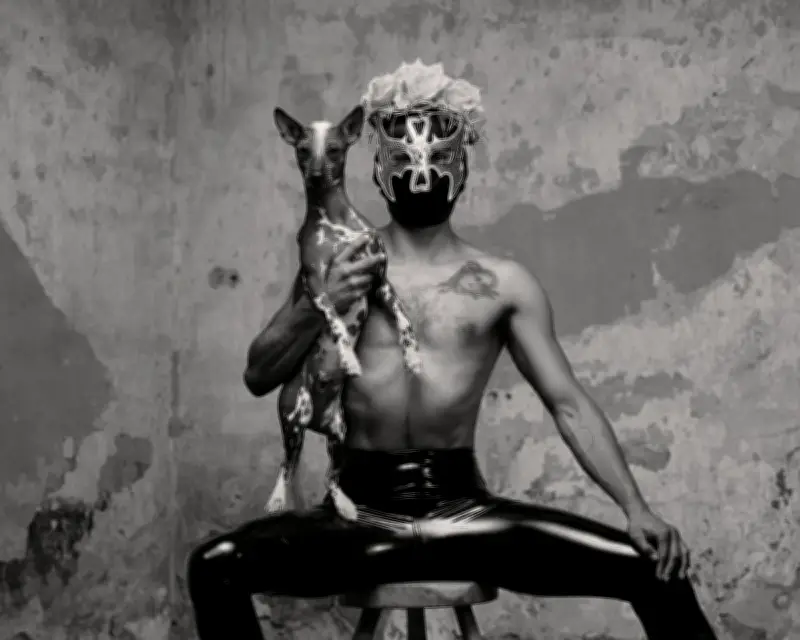
Ixchel reclaims the lucha libre wrestling mask, a symbol of masculinity in Mexico's macho culture, in a portrait that challenges traditional gender norms.
El Sabucán
Castilla transformed woven plastic shopping bags from Mexican markets into a sculptural garment, highlighting the beauty in everyday objects and the visual language of Mexico's streets.
Fuerza
Jossafat, a young straight gymnast, posed in a leopard print costume with kitten heels. Despite potential judgment from his macho followers, he felt proud of his appearance, embodying the series' message of daring to be oneself.
El Cuerno
A tender moment between Carina and Diego is juxtaposed with Carmen, dressed as a little devil, representing dark forces that try to disrupt such love. The portrait captures real emotion in a staged setting.
Contemplar
Fernando, a street performer who lost his livelihood during lockdown, danced for the team and received a standing ovation, emotional from the appreciation he had long missed.
Niñez
Melón, a poet, wears a football kit under a dress, symbolizing the machismo culture that forces boys onto the football field. She holds both identities on her own terms.
La Madre
Ixchel Paz and Emiliano Cruz recreate a Pietà, referencing both the Virgin Mary and the Mayan goddess Ixchel, blending unconditional tenderness with ancient power.
Libertad
Mariana holds a broken corset, symbolizing her choice to shed structures not of her own making, embracing freedom on her terms.
El Paliacate
Fabrizzio, a team member, embodied the project's free energy. Henket captured him as the ultimate bird, reflecting the creativity behind the scenes.
Flor de Mayo
Carmen wears a resplandor headdress referencing Frida Kahlo, inviting viewers into a living painting. The portrait became the book cover, encapsulating the project's essence.
El Recreo
The piñata, with roots in Mayan, Chinese, and Spanish traditions, symbolizes the rewards of breaking through, simplified into a powerful cultural object.
La Raíz
Otokani stood proud as botanical artists built plants around his naked body, representing a bird with fragile feathers in a hard city, unbeatable despite sharp edges.
The series is a celebration of those who dare to be themselves, challenging norms and embracing identity with courage and imagination.