Barbican Centre: The Brutalist Landmark Weaving Art into Everyday London Life
For countless Londoners and visitors, the Barbican Centre represents a destination for entertainment, dining, and social gatherings. However, for individuals like Jo Davis, Head of Retail, and Oluwatoyin Odunsi, Senior Producer for Learning & Participation, it functions as a professional workplace. Remarkably, for a select few, including Shanay Jhaveri, Head of Visual Arts, the Barbican serves as both home and office, blending personal and professional realms seamlessly.
Living the Vision: Arts Embedded in Daily Existence
During a recent visit, Shanay Jhaveri elaborated on this unique dual experience. "The foundational vision for the Barbican Centre was to embed the arts into everyday life—not as a separate entity, but as an integral component coexisting with daily routines," he explained. "I consider myself fortunate to both work and reside here, allowing this concept to manifest vividly each day."
Bringing Brutalism to Life Through Artistic Expression
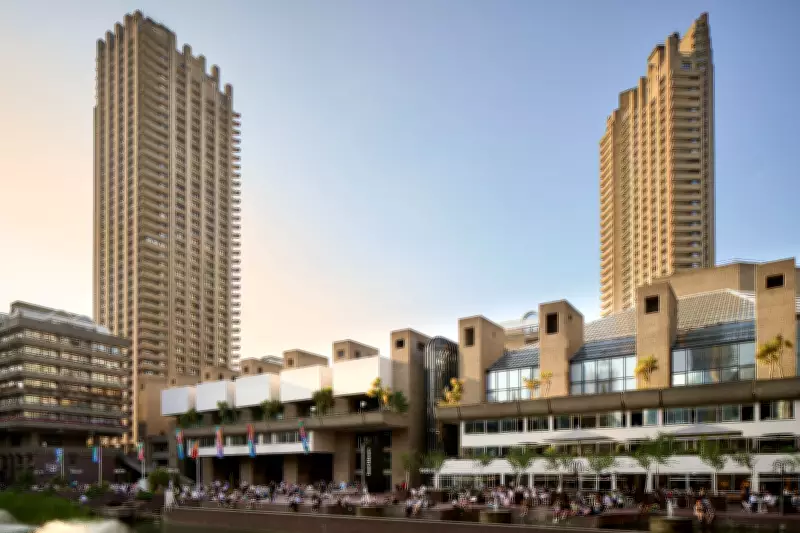
As the leader of the Visual Arts team, Shanay's responsibilities include animating the Barbican's expansive brutalist architecture via artistic interventions. "This involves contemplating not only the activities within our exhibition spaces but also how art permeates the entire centre—into public areas, shared zones, and the everyday experiences of visitors and residents," he detailed.
Over the three years since joining the Centre, Shanay's admiration for his role has remained undiminished. Daily interactions with exceptional artists, colleagues, and partners from diverse art forms and global origins provide what he describes as "endlessly enriching and dynamic" engagements.
A typical day exemplifies this variety. Mornings might commence with quiet reflection before an exhibition opening, pondering how audiences will engage with works by artists such as Alberto Giacometti or Beatriz González. Later, discussions with colleagues could explore strategies for the Barbican to sustain its relevance and meaning in people's lives.
The Barbican as a Vibrant Public Space
Shanay's connection to the Centre has increasingly been shaped by activities beyond conventional gallery settings. "Residing on the estate, I experience the Barbican not merely as a workplace but as a communal hub where people congregate, pause, and connect," he noted. "You observe knitting groups assembling, children on educational visits, and individuals discovering corners for conversation or solitude. The centre transcends being a mere venue; it is a shared environment molded by its community and accessible to all."
Architecture Facilitating Everyday Interactions
The iconic estate offers diverse spaces that encourage various forms of interaction, from lakeside areas to elevated walkways and foyers. "There are moments—such as taking a call by the water or enjoying a coffee with a colleague in sunlight—where distinctions between work, culture, and daily life dissolve," Shanay remarked. "These instances are significant and should be available to everyone."
A Commitment to Renewal and Inclusivity
As the Barbican progresses with its ongoing renewal program, enhancing accessibility and inclusivity remains a collective priority. The Centre collaborates closely with partners across the City of London's cultural quarter, including the Guildhall School of Music & Drama, London Metropolitan Archives, and the forthcoming reopened London Museum, to foster broader connections to this extraordinary location.
There is perpetually something novel to explore. Currently, visitors can experience a breathtaking free solo exhibition by artist Julia Phillips in The Curve, a gallery renowned for site-specific installations encircling the building's core.
An Open Invitation to All
For anyone desiring a change of scenery, whether remote workers, students, or urban explorers, the Barbican extends an open invitation. The Barbican Library, cafés, and other public spaces offer complimentary Wi-Fi, creating ideal environments for studying, working, reading, or relaxing between exhibitions and performances.