From Music Burnout to Artistic Breakthrough
Before achieving global recognition as Arca, the electronic musician supporting icons like Madonna and Beyoncé, Alejandra Ghersi was a teenager in Caracas uploading 3D animations to DeviantArt. Now, at 36, the Venezuelan artist comes full circle with her first institutional exhibition at London's Institute of Contemporary Arts, showcasing paintings that helped her overcome severe creative burnout.
The Healing Power of Physical Creation
After a meteoric decade in the music industry that left her emotionally drained, Ghersi turned to painting as a therapeutic outlet. "I fell out of love with making music for a while," she confesses. "I didn't know how to start another record." The paintings, created in her Barcelona communal yard, became her salvation.
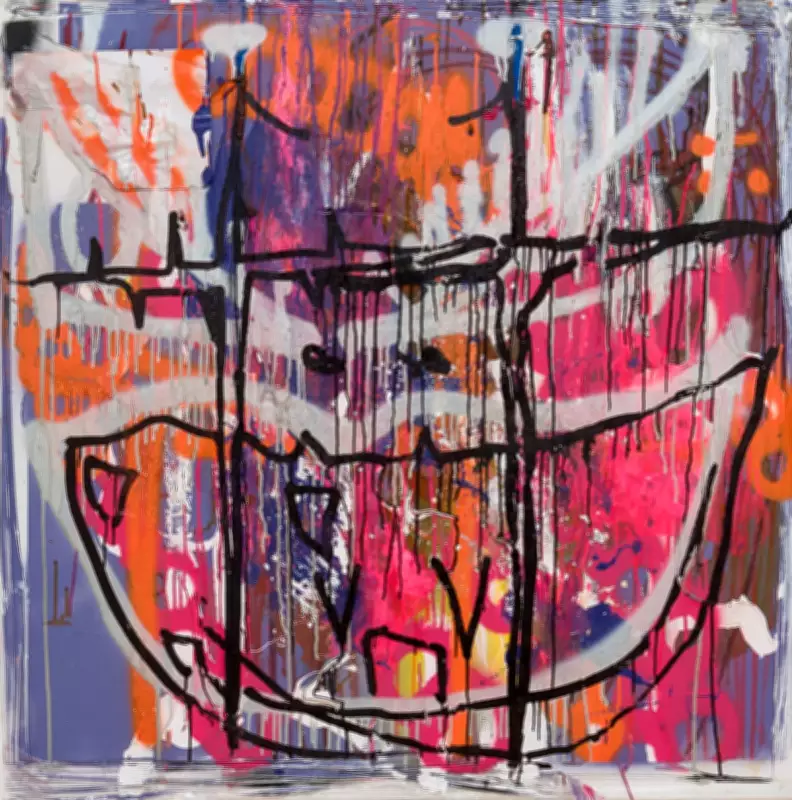
Working with oils, acrylics, spray paint, glitter, latex, and even melted plastic, Ghersi entered trance-like states while developing her distinctive textured style. "With a physical medium, it's raw," she explains. "There's no delete button." This marked a significant departure from her musical process, where recordings could be endlessly revised.
Angels Series: Processing Trauma Through Art
The exhibition, titled Angels, features nightmarish faces emerging from graffitied impasto—Cheshire cat grins, gurning clowns, and wide-eyed demons. Ghersi describes creating these works in frenzied sessions, sometimes stabbing materials with knives and melting plastic onto surfaces.
"It was a way of processing different violences that I had survived," she reveals. "Those I compartmentalized to make my life seem more stable." Despite a decade of Jungian psychoanalysis, Ghersi found that true understanding came through feeling rather than language, with painting providing the emotional release she needed.
From Isolation to International Recognition
Ghersi's journey from isolated Caracas teenager to international artist reflects her complex identity as a queer, transgender Venezuelan. Her childhood involved multiple moves between Venezuela and Connecticut, leaving her feeling like an outsider in both cultures. "I would literally pray every night for God to change me into a straight cis person," she recalls of her closeted youth.
Music became her escape, with Ghersi producing electronic tracks prodigiously young. After moving to New York for university, she found liberation in the club scene, eventually releasing music under the name Arca. Her sound evolved between ethereal pop and industrial reggaeton, with her visual presentation remaining equally experimental.
Return to Venezuela and Future Projects
Despite her international success, Ghersi maintains complicated ties to Venezuela. When she returned to DJ a Boiler Room party two years ago, Amnesty International sent representatives as a precaution for the LGBTQ+ attendees. "It's so Orwellian there," she says of her homeland's political situation. "There's a lot of machismo, very patriarchal attitudes."
Her last studio album, Kick iiiii, appeared in 2021, but new material has been scarce until recently. Ghersi credits her painting practice with enabling her return to music, with a full album now forthcoming. "The psyche is miraculous," she reflects. "We fragment through trauma, and hopefully recombine to survive."
The Angels exhibition represents not just artistic achievement but personal healing, demonstrating how creative expression can overcome even the deepest professional and personal challenges.