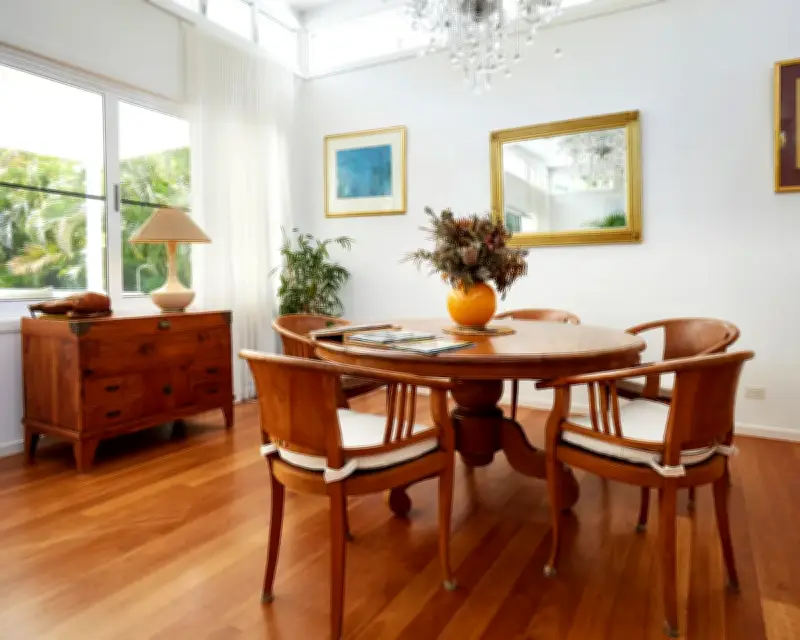
Nearly a quarter of homeowners have repurposed their dining rooms, according to research by insurance provider Aviva, signalling the end of the traditional sit-down meal space. The dining room, once a standard feature of middle-class homes from Victorian times until recently, has largely been converted into home offices, gyms, or knocked through to create larger living areas.
From triclinium to open-plan living
The concept of a dedicated eating room dates back to ancient Rome, where meals were taken in a room called a triclinium. In more recent history, the dining room became a hallmark of Victorian-era homes, as living rooms grew more elaborate and upholstered, prompting homeowners to designate a separate space for eating. By the 20th century, dining rooms were integrated into the architecture of even modest homes, no longer the preserve of the wealthy.
However, the shift away from dining rooms began well before the current trend. In 2008, predictions suggested the dining room would be extinct by 2020. A study from that time found that more than half a million homeowners planned to renovate by knocking through their dining room within the following 12 months.
What dining rooms have become
According to Aviva's research, nearly a quarter of homeowners have repurposed their dining rooms. Common conversions include knocking down walls to create bigger living rooms or larger kitchens, while others have turned the space into home offices, gyms, or even panic rooms. The shift reflects a broader move toward open-plan living, which has all but eliminated the idea of separate, single-purpose rooms.
The social focus of mealtimes has also moved. As kitchens have grown in size, they have become the central gathering place for cooking and eating. Many people now eat in front of computers or on sofas, spilling food on upholstery—a return to the pre-Victorian era when homes had a single, all-purpose entertainment space.
Impact on home design
The trend has significant implications for property design and renovation. Homeowners increasingly prioritise flexible, multi-functional spaces over formal rooms used only occasionally. While the dining room may not disappear entirely, its role has been transformed, and the vogue for open-plan living continues to shape how homes are built and adapted.
As one observer put it: “As our lives and ways of interacting change, so the interiors of our homes change with them.” The dining room, once a symbol of domestic formality, now often serves as a bedroom for housemates, a home office, or simply part of a larger, more open living space.