UK Exporters Confront Mounting Uncertainty Over Trump's Tariff Implementation
British businesses are bracing for significant cost increases and operational uncertainty as former President Donald Trump's sweeping 15% global tariff policy is scheduled to take effect. The sudden policy shift has left UK manufacturers and exporters scrambling for clarity while facing the prospect of substantially higher expenses to bring their products into the American market.
Immediate Impact on UK-US Trade Relations
From Tuesday morning, UK exporters will be subject to a 15% tariff rate, representing a notable increase from the 10% rate previously agreed upon under the UK-US trade deal finalized in May. This development comes after the US Supreme Court struck down Trump's "Liberation Day" tariffs policy on Friday, prompting the former president to announce a temporary 15% tax on imports from all countries.
"Clarity is now urgently required on how UK exports will be treated on arrival into the United States," emphasized Make UK, the manufacturing industry trade body. The organization highlighted the pressing need for definitive information as businesses prepare for the tariff implementation.

Government Response and Business Concerns
The British Chambers of Commerce (BCC) issued a statement on Monday warning that "unless we hear otherwise from the US, we are looking at a further 5% hike for many goods from 5am GMT, tomorrow." The organization noted that the specific legislation being utilized by the US administration makes it particularly challenging to secure exemptions for the UK.
UK exporters and manufacturers "are now staring down the barrel at higher costs," according to the BCC's assessment. This sentiment reflects widespread anxiety within the British business community as they confront potentially diminished competitiveness in the crucial American market.
Political Developments and International Reactions
The prime minister's official spokesman expressed continued hope that Washington would "honour" its previously negotiated "preferential deal" with the UK, confirming that discussions were actively underway at multiple levels. When questioned about potential retaliatory measures, the spokesman stated unequivocally: "Nothing is off the table."
Business Secretary Peter Kyle engaged in discussions with his US counterpart Jamieson Greer over the weekend, underlining his concerns about further uncertainty for business and reinforcing the need to honour the UK-US deal. However, government officials remain unable to provide a timeline for when definitive clarity might emerge regarding how the tariffs will specifically apply to British goods and services.
Global Trade Implications and Market Reactions
The European Union, representing the world's largest trading bloc, announced on Monday afternoon that it would suspend ratification of its trade agreement with the United States in response to the evolving tariff situation. "Nobody knows what will happen," acknowledged Bernd Lange, chair of the European Parliament's international trade committee, who stressed that "clarity and legal certainty are needed before any further steps can be taken."
Financial markets have responded negatively to the uncertainty, with a stock market sell-off continuing from Friday into Monday. Major European stock indexes closed lower as their American counterparts also experienced declines, reflecting investor apprehension about the potential disruption to global trade flows.
Legal Framework and Political Posturing
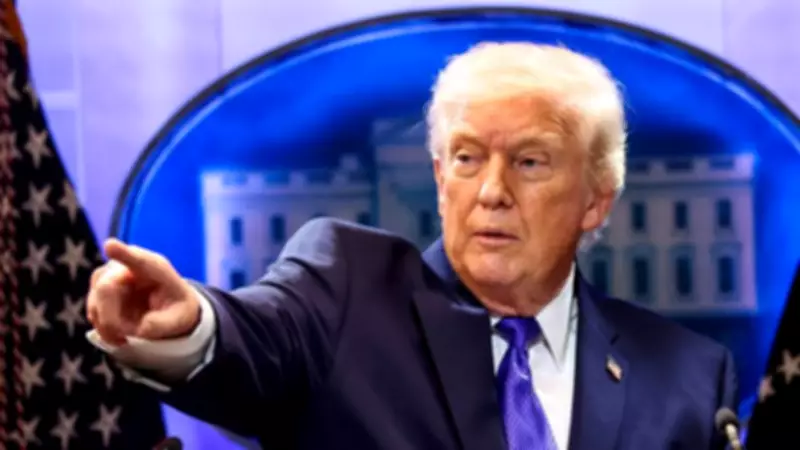
The tariff policy operates under Section 122 of US law, which limits such actions to a maximum duration of 150 days. Any extension beyond this period would require Congressional approval. Trump utilized his Truth Social platform on Monday to issue a warning to trading partners, stating that "any Country that wants to 'play games' with the ridiculous Supreme Court decision, especially those that have 'ripped off' the USA for years, and even decades, will be met with a much higher tariff, and worse, than that which they just recently agreed to."

Meanwhile, Democratic lawmakers have prepared legislation that would mandate US Customs and Border Protection to provide companies with refunds plus interest for amounts paid to import goods into the United States under the new tariff regime.
The situation remains fluid as businesses, governments, and financial markets await further developments in what has become a rapidly evolving international trade landscape with significant implications for UK exporters and the broader global economy.