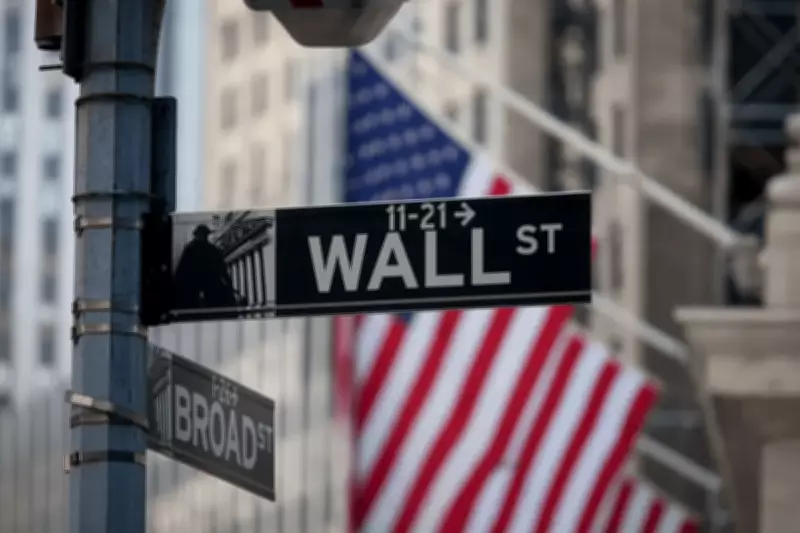
Wall Street Soars to Historic Highs Amid Iran War Ceasefire Optimism
Wall Street rocketed to fresh record highs on Wednesday as investors and traders grew increasingly optimistic that the end of the US-Iran war is in sight, with both nations preparing to return to negotiation talks. The surge marks a dramatic recovery from the steep losses experienced during the early stages of the conflict.
Record-Breaking Performance Across Major Indices
The benchmark S&P 500 breached the 7,000-point threshold for the first time in history, climbing 0.8 percent during trading to close at 7,022.9. This milestone comes after the index had slid as much as nine percent following the outbreak of the conflict on February 28, narrowly avoiding the ten percent decline that typically defines a market correction.
The technology-heavy Nasdaq Composite also reached its own record high, jumping 1.6 percent to 24,016 points. The rally was led by quantum computing giants D-Wave Quantum, which soared 22.6 percent to $20.8, and IonQ, which surged 20.9 percent to $43.2. Meanwhile, the Dow Jones Industrial Average remained broadly flat throughout the session.
Both the Nasdaq and Dow Jones had previously hit the ten percent correction level during the Iran War selloff, making Wednesday's recovery particularly significant. The S&P 500 has spearheaded the bullish recovery rally across all three major US indices, effectively erasing the substantial losses endured during the conflict's initial phase.
Ceasefire Hopes and Strong Bank Earnings Fuel Rally
The latest rally follows former President Donald Trump's claims on Wednesday that the war is "very close to over," sparking hope among market participants that the conflict that has destabilized both stock and oil markets will soon conclude. Trump stated, "We've beaten the military totally. We'll see what happens, I think they want to make a deal very badly."
The White House denied requesting an extension to the ceasefire, which is scheduled to end on April 22, but confirmed that talks have been "productive and ongoing." In a diplomatic development, Pakistan's military announced that a delegation from the country arrived in Iran on Wednesday as Islamabad continues to mediate between the two sides.
Wednesday's gains were further bolstered by quarterly earnings reports from Bank of America and Morgan Stanley, with both institutions exceeding trading estimates. This performance suggested to investors that banks have remained resilient throughout the market volatility, contributing to the overall positive sentiment.
Oil Prices and Global Market Implications
While stocks celebrated the potential ceasefire, oil prices remained uncertain due to the ongoing US blockade in the Strait of Hormuz, which continues to risk economic damage to nations beyond the Middle East. Prices hovered at $95 per barrel during early Thursday trading, significantly below last month's peak of $120.
Patrick Munnelly, market strategist at Tickmill Group, commented, "For markets, the key implication is straightforward: any further de-escalation would likely help contain oil prices, reduce uncertainty, and improve the near-term backdrop for global growth assets. The market is increasingly treating the ceasefire story as a reason to fade war-premium positioning. For now, the market appears willing to look through geopolitical noise as long as diplomacy remains the dominant narrative."
Asian Markets Ride the Wave of Optimism
Asian stocks surged during Thursday trading, riding the coattails of Wall Street's rally and clinging to hopes of a ceasefire. Traders anticipate that de-escalation of the conflict will push down oil prices and boost economic growth, providing relief to oil-dependent countries in the region.
South Korea's Kospi jumped 2.2 percent to 6,226 points, with the index up 44.4 percent year-to-date. Japan's Nikkei 225 followed the S&P 500's lead, reaching its own record high by increasing 2.8 percent to 59,518 points, surpassing its previous all-time high of 58,850.2 points set on February 27, just before the Iran war triggered significant losses.
In China, Hong Kong's Hang Seng Index benefited from global connections and foreign capital inflows, rising 1.6 percent, while Shanghai's Composite Index inched up 0.7 percent. However, India's earlier gains were erased, with the Sensex and Nifty 50 both declining 0.3 percent following poor quarterly earnings and heavy selling from foreign institutional investors.
The widespread market rally underscores the profound impact that geopolitical developments can have on global financial markets, with investors eagerly awaiting further diplomatic progress to solidify these gains.