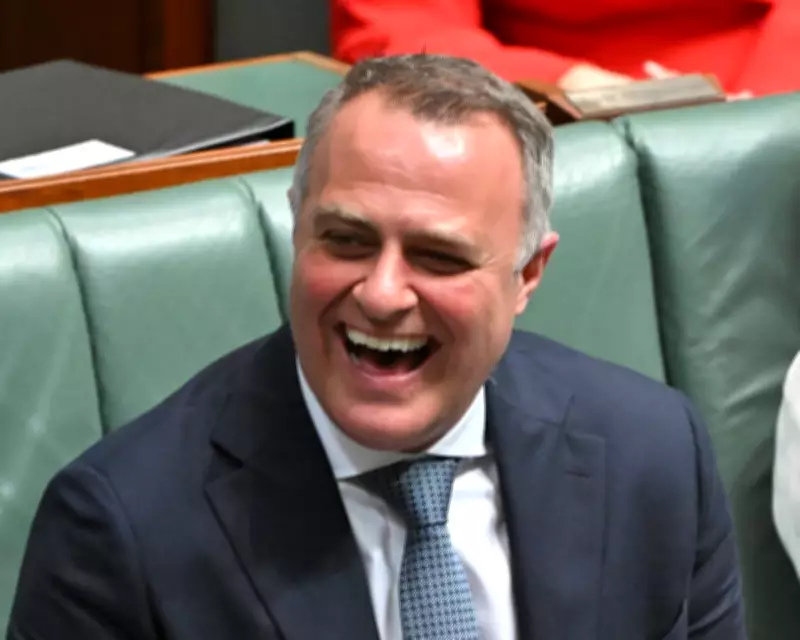
Former Liberal MP Tim Wilson has confirmed the sale of his high-profile short position on the Australian share market, resulting in what he describes as a "modest profit." The transaction, which concluded recently, marks the end of a bet that drew significant public and political attention due to its timing amid economic instability.
Details of the Market Bet and Its Outcome
Wilson, who served as the member for Goldstein until the last federal election, publicly disclosed his short position earlier this year. A short position involves betting that the value of shares will decline, allowing the investor to profit from a market downturn. In this case, Wilson targeted the broader Australian share market, reflecting a pessimistic outlook on economic conditions.
The exact financial details of the sale remain undisclosed, but Wilson has characterized the profit as modest, suggesting it was not a windfall gain. This outcome may indicate that market fluctuations were less severe than anticipated or that the position was managed conservatively. The sale occurred against a backdrop of ongoing volatility in global and domestic markets, influenced by factors such as inflation concerns and geopolitical tensions.
Political and Public Reaction to the Investment
Wilson's decision to take a short position sparked controversy, given his former role as an MP and his involvement in economic policy discussions. Critics argued that betting against the Australian economy could be seen as undermining public confidence, especially during periods of uncertainty. Supporters, however, viewed it as a legitimate personal investment strategy, highlighting Wilson's right to engage in financial markets like any other citizen.
The timing of the sale is notable, as it follows recent debates over economic management and market predictions. Wilson has not commented on whether political factors influenced his decision to sell, but the move may alleviate some of the scrutiny he faced. In statements, he has emphasized the transparency of his actions, noting that he openly discussed the bet to avoid perceptions of insider trading or secrecy.
Broader Implications for Market Sentiment and Policy
This incident raises questions about the intersection of politics and personal finance, particularly for public figures. While MPs are subject to disclosure requirements, short positions on national markets can blur the lines between personal gain and public duty. Economists suggest that such bets, while legal, may signal broader concerns about economic health, potentially affecting investor sentiment.
Looking ahead, Wilson's experience could prompt discussions on ethical guidelines for politicians' investments, especially in volatile assets. The modest profit outcome also underscores the risks involved in short selling, where gains are not guaranteed and losses can be substantial if markets rise unexpectedly. As Australia navigates economic challenges, this case serves as a reminder of the complex dynamics between individual financial actions and collective economic perceptions.
In summary, Tim Wilson's sale of his share market bet concludes a chapter marked by both financial calculation and political debate. The modest profit reflects the unpredictable nature of markets, while the controversy highlights ongoing tensions between personal freedom and public accountability in economic matters.