Global Stock Markets Plunge as Middle East Conflict Fuels Oil Price Surge
Stock markets on both sides of the Atlantic experienced a sharp sell-off on Thursday, as escalating tensions in the Middle East drove up oil and gas prices, reigniting fears of inflation and delaying expectations for interest rate cuts. The conflict involving the US, Israel, and Iran has effectively closed the Strait of Hormuz, a critical chokepoint for global energy supplies, exacerbating market volatility.
European and US Markets Hit Hard by Geopolitical Uncertainty
In Europe, early gains were swiftly erased, with major indices closing significantly lower. The FTSE 100 in London dropped 1.5%, losing 154 points to settle at 10,414. Similarly, Germany's DAX and Italy's FTSE MIB both fell by 1.6%, while France's CAC declined 1.5% and Spain's IBEX was down 1.4%. Across the Atlantic, the Dow Jones Industrial Average plummeted 2%, the S&P 500 decreased 1.3%, and the Nasdaq fell approximately 1%.
Danni Hewson, head of financial analysis at AJ Bell, commented, "The optimism that briefly lifted Asian and European markets evaporated like water droplets on a smouldering stove top. It's becoming increasingly difficult to foresee a quick resolution to the conflict, forcing markets to reassess their interest rate projections for the coming months."
Oil and Gas Prices Skyrocket Amid Supply Disruptions
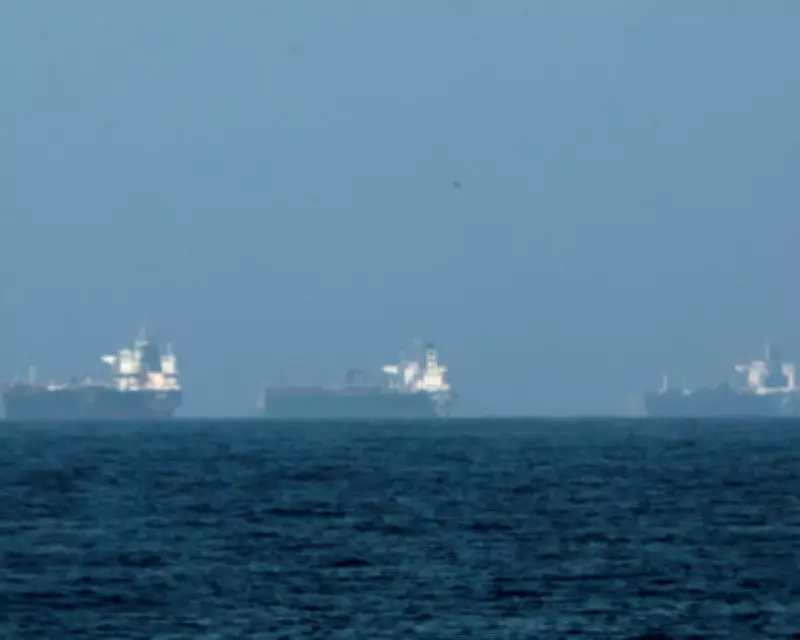
Oil prices continued their upward trajectory, with Brent crude surging 4% on Thursday to nearly $85 per barrel, marking a 15% increase over the past five days. European gas prices also rose by more than 3%. The closure of the Strait of Hormuz, through which about one-fifth of global oil and liquefied natural gas supplies pass, has been a key driver of these price hikes. Located off Iran's southern coast, the strait has been effectively blocked since the weekend, disrupting energy flows and heightening market anxiety.
Airline Stocks Suffer as Conflict Impacts Travel and Fuel Costs
The aviation sector was particularly hard hit, with Wizz Air shares plunging 11.3% after the airline cancelled flights to and from Israel, Dubai, Abu Dhabi, and Amman until March 15, warning of a €50 million (£43 million) hit to annual profits due to higher jet fuel costs. In the UK, FTSE 100 airlines also felt the pressure, with easyJet shares dropping 5% and British Airways' owner IAG declining 2%. The more domestically focused FTSE 250 index closed down 0.9% at 22,700.20.
Interest Rate Expectations Adjust Amid Inflation Concerns
In the United States, Treasury yields were on track to rise for a fourth consecutive day, as elevated oil prices cast doubt on the likelihood of immediate interest rate cuts by the Federal Reserve. The renewed inflation shock from higher energy costs has dampened hopes for monetary policy easing, with markets now anticipating a more prolonged period of economic uncertainty.
Market analysts suggest that stability could return if tankers resume movement through the Strait of Hormuz, but until then, volatility is expected to persist. The ongoing conflict underscores the interconnectedness of global geopolitics and financial markets, with investors closely monitoring developments in the Middle East for signs of resolution or further escalation.