Oil Markets in Turmoil as Iran Conflict Escalates
The global oil market experienced its most dramatic single-day surge in six years on Monday, with Brent crude prices skyrocketing by 18% to reach $108 per barrel. This extraordinary rally comes as deepening uncertainty surrounding the ongoing war in Iran has sparked fears of a prolonged conflict across the Middle East, sending shockwaves through financial markets worldwide.
Stock Markets Plunge Across Asia and Beyond
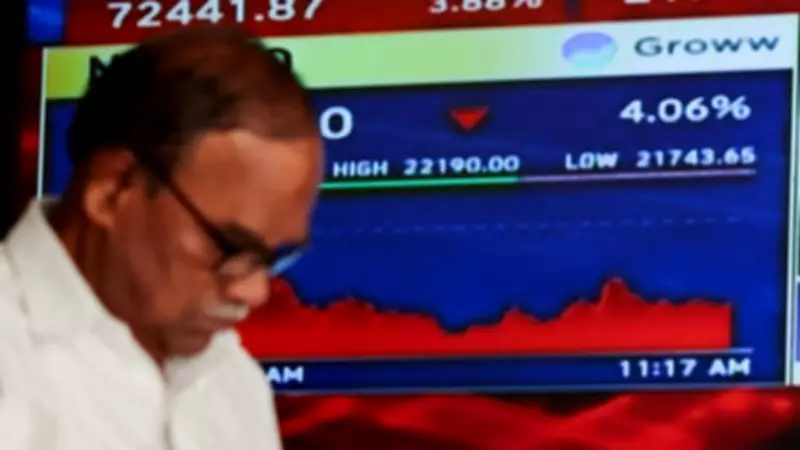
Asian stock markets opened the week with severe losses, reflecting the growing investor anxiety. South Korea's KOSPI index plunged by more than 6%, triggering an emergency circuit breaker that halted trading for twenty minutes. Futures tracking indices in Europe and the United States also dropped significantly, indicating that further sell-offs could materialize as trading progresses through the day.
This latest oil price surge follows a 28% jump recorded just last week, compounding concerns about mounting inflationary pressures that could drive up living costs for consumers globally. The sustained increase in energy prices is now influencing monetary policy expectations, with analysts suggesting that the Bank of England may be less inclined to implement interest rate cuts in the current climate.
Strait of Hormuz Closure Heightens Global Concerns
Of particular concern to market analysts is the effective closure of the Strait of Hormuz, a critical maritime passage that handles approximately 20% of global oil shipments. Iranian officials have threatened to "attack and set ablaze any ship attempting to cross," bringing maritime traffic through this vital corridor to a virtual standstill.
JPMorgan's chief economist Bruce Kasman emphasized the global economy's dependence on Middle Eastern oil and natural gas flowing through the Strait of Hormuz. He warned that Brent crude could spike to $120 per barrel in the near term, though prices should cool if the conflict subsides. Without a clear and decisive political resolution, Kasman believes global economic growth could suffer a 0.6% hit in the first half of 2026, with consumer prices rising by an annual rate of 1%.
Interest Rate Expectations Shift Dramatically
The escalating conflict has dramatically altered expectations for monetary policy. Before the United States and Israel began striking Iran, the Bank of England had been expected to implement two interest rate cuts. Now, financial markets are pricing in just a 40% chance of a single reduction, meaning borrowing costs are likely to remain elevated for an extended period.
Market turbulence is also affecting currency markets, with the US dollar continuing to strengthen against both the British pound and the euro. In a post on Truth Social, former US President Donald Trump insisted the oil price spike would be temporary, stating: "Short term oil prices, which will drop rapidly when the destruction of the Iran nuclear threat is over, is a very small price to pay for U.S.A., and World, Safety and Peace. ONLY FOOLS WOULD THINK DIFFERENTLY!"
The combination of surging oil prices, plunging stock markets, and shifting monetary policy expectations creates a volatile economic landscape as the international community watches the Iran conflict unfold with growing apprehension about its global economic consequences.