Oil Markets in Turmoil as Middle East Conflict Escalates
Global oil prices experienced a dramatic surge early Monday morning, with brent crude – the international benchmark for oil prices – climbing 13 percent to reach $82 per barrel. This represents the highest price level seen since July 2024, as escalating tensions between Iran, the United States, and Israel raised serious concerns about potential disruptions to critical Middle Eastern shipping routes.
While prices did retreat slightly from their initial peak to approximately $78 per barrel, they remained approximately $5 higher than Friday's closing figures. This latest spike continues a trend that began in February, when brent crude soared around eight percent higher amid growing speculation that peace talks between the United States and Iran had derailed.
Analysts Warn of Prolonged Market Uncertainty
Kathleen Brooks, research director at XTB, noted that oil had "rallied into this crisis" as regional tensions built, suggesting that "part of the conflict has been priced into the oil price already." Meanwhile, Ipek Ozkardeskaya, Senior Analyst at Swissquote, warned that "longer tensions persist – and the wider they spread geographically – the greater and more durable the impact on energy prices."
The immediate trigger for Monday's price surge came after a weekend of military escalation, with joint strikes by Israel and the United States targeting Iranian positions. President Donald Trump announced via Truth Social that the U.S. had launched "major combat operations" against Iran, vowing to leave the country's military arsenal "totally obliterated."
Strait of Hormuz: The World's Most Critical Chokepoint
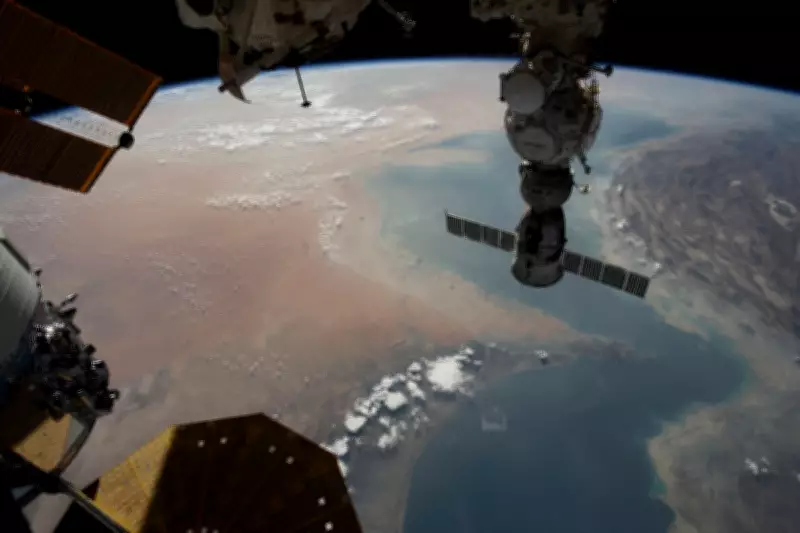
Much of the market anxiety centers on the Strait of Hormuz – the narrow maritime passage between the Persian Gulf and the Gulf of Oman that serves as the only sea route from the Persian Gulf to open ocean waters. This strategic chokepoint, where high volumes of shipping traffic converge creating natural bottlenecks, carries approximately one-fifth of global oil supplies – an estimated 20 million barrels per day.
Former foreign secretary David Lammy previously warned that blocking the Strait of Hormuz would represent a "catastrophic mistake," referencing tensions during a 12-day conflict between the U.S. and Iran last June. Kallum Pickering, chief economist at Peel Hunt, emphasized the gravity of the situation: "We need to brace for many weeks of uncertainty, especially given the absence of obvious off-ramps for de-escalation, at least for now."
Global Economic Ripple Effects and Safe Haven Flows
Pickering further highlighted the complex economic consequences: "The potential economic consequences are complex and far-reaching. We need to watch both China and Russia, which rely on Iranian hydrocarbons and military equipment, respectively. For Europe and other advanced economies, the primary risks stem from uncertainty and the potential for higher hydrocarbon prices to push up consumer prices."
In a related development, gold prices approached the $5,400 mark on Monday morning, signaling that investors were flocking to traditional safe haven assets as risk aversion spread throughout global markets.
OPEC+ Response and UK Position
On Sunday, the OPEC+ alliance of oil-producing nations agreed to a modest production increase of 206,000 barrels per day beginning next month. Brooks commented on this development: "While this is a small increase, it is very symbolic that the world's major oil producing nations are willing to react to the crisis and adjust supply to stop an oil price shock."
The rapidly evolving conflict has placed additional pressure on Prime Minister Sir Keir Starmer, who faces mounting criticism from senior Conservatives regarding Britain's response. Defence secretary John Healey confirmed that UK forces are actively intercepting Iranian drones and reinforcing regional defences, but emphasized that while the U.S. and Israel have launched direct strikes, the UK has limited its involvement to defensive operations.
In an official statement released Sunday evening, the British government clarified that it has no "wider involvement in the broader ongoing conflict between the US, Israel and Iran," seeking to delineate its defensive posture from the offensive actions taken by its allies.