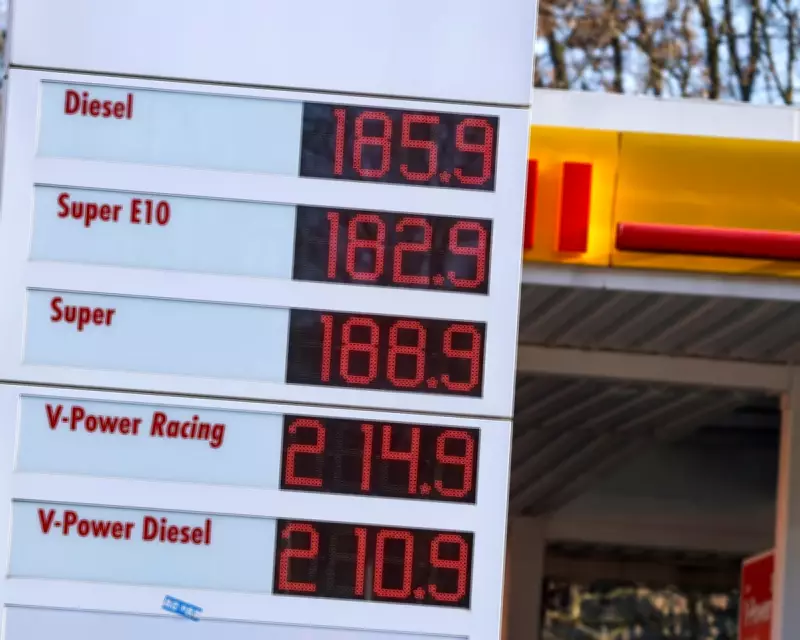
Oil Prices Surge Amid Middle East Tensions, Asian Markets Show Resilience
Global oil prices have continued their upward trajectory, driven by escalating conflicts in the Middle East, which have heightened supply concerns and market volatility. This persistent rise reflects ongoing geopolitical instability in key oil-producing regions, contributing to inflationary pressures worldwide. Analysts note that the crisis has disrupted production and shipping routes, exacerbating fears of prolonged shortages and higher energy costs for consumers and industries alike.
Asian Stock Markets Rebound Despite Economic Headwinds
In a contrasting development, stock markets across Asia have demonstrated a notable rebound, recovering from recent losses amid the oil price surge. This resilience suggests investor confidence in regional economic fundamentals, with markets in countries like Japan, China, and South Korea posting gains. The rebound is attributed to factors such as strong corporate earnings, supportive monetary policies, and diversification away from energy-dependent sectors, highlighting the complex interplay between geopolitical events and financial markets.
Market analysts emphasize that while the Middle East crisis poses significant risks, Asian economies are showing adaptability, with some sectors benefiting from increased demand for alternative energy and technology solutions. However, uncertainties remain, as further escalation could dampen this recovery and impact global trade flows.
Implications for Global Economy and Future Outlook
The dual trends of rising oil prices and rebounding Asian markets underscore a fragmented global economic landscape. On one hand, higher energy costs threaten to slow growth and increase living expenses, particularly in oil-importing nations. On the other hand, the stock market rebound in Asia indicates potential for regional stability and investment opportunities, albeit with caution advised due to ongoing geopolitical risks.
Experts predict that the situation will require close monitoring, as any de-escalation in the Middle East could lead to price corrections, while prolonged tensions might fuel further market volatility. Stakeholders are urged to consider hedging strategies and diversify portfolios to navigate these uncertain times effectively.