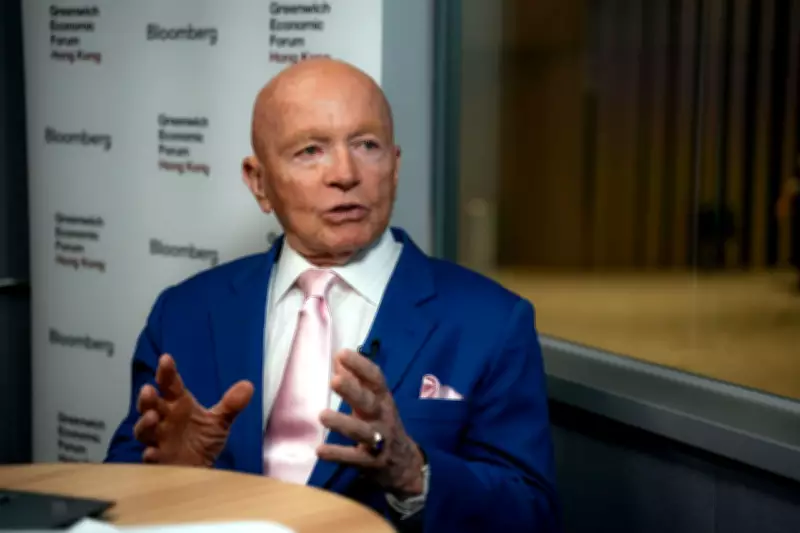
Mark Mobius Forecasts Prolonged Middle East Conflict
Renowned investor Mark Mobius has issued a stark prediction regarding the ongoing Middle East conflict, stating that it is likely to continue for a minimum of two to three additional weeks. This assessment comes amid heightened geopolitical tensions that have been unsettling global financial markets and influencing investor strategies worldwide.
Impact on Global Markets and Investor Sentiment
Mobius, a veteran figure in the investment community with decades of experience, emphasized that the extended duration of the conflict could exacerbate volatility in key markets. He pointed to potential disruptions in oil supplies and increased risk premiums as primary concerns for investors. The uncertainty surrounding the situation is prompting many to adopt a more cautious approach, with some reallocating assets to safer havens.
The conflict's persistence is expected to have ripple effects across various sectors, including energy, commodities, and equities. Mobius highlighted that prolonged instability in the region could lead to sustained higher oil prices, which in turn might fuel inflationary pressures in economies globally. This scenario poses challenges for central banks and policymakers who are already grappling with economic recovery post-pandemic.
Historical Context and Mobius's Analysis
Drawing on historical parallels, Mobius noted that similar geopolitical crises have often led to extended periods of market turbulence. He advised investors to closely monitor developments and be prepared for potential shifts in asset valuations. "In times like these, patience and strategic diversification are key," he remarked, underscoring the importance of a long-term perspective amid short-term uncertainties.
The analysis by Mobius also touches on broader implications for international relations and security. The conflict's extension could strain diplomatic efforts and complicate peace negotiations, adding layers of complexity to an already volatile situation. This, in turn, may influence government policies and corporate decisions, particularly for firms with exposure to the Middle East.
Broader Economic and Geopolitical Ramifications
Beyond immediate market impacts, Mobius warned of potential long-term consequences if the conflict drags on. These include:
- Increased geopolitical risk premiums affecting investment flows
- Potential supply chain disruptions in critical industries
- Shifts in global alliances and trade patterns
- Heightened security concerns impacting business operations
In conclusion, Mark Mobius's forecast serves as a sobering reminder of the interconnectedness of geopolitical events and financial markets. As the conflict in the Middle East shows no signs of abating in the near term, investors and policymakers alike must navigate a landscape fraught with uncertainty and potential volatility.