Investors Tremble as Iran Risks Oil Price Spiral with Attack on Strait of Hormuz
City analysts and policymakers are on high alert as a potential Iranian attack on the Strait of Hormuz threatens to send oil prices spiraling out of control. The escalating conflict between the United States and Iran has investors fearing a new inflationary shock that could impact major economies worldwide, including the United Kingdom.
Escalation Following Failed Negotiations
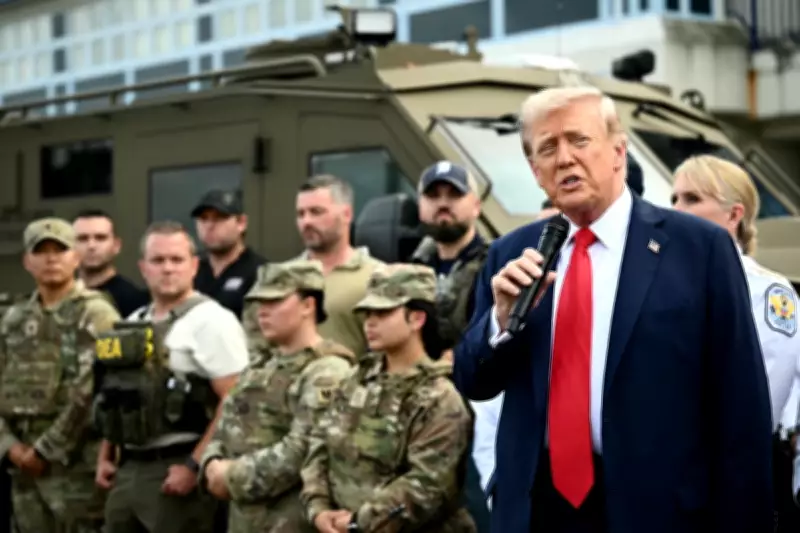
Many had placed their hopes on nuclear program negotiations between the US and Iran that took place in Switzerland earlier this week. However, those hopes have been dashed after President Trump and Israeli Prime Minister Netanyahu launched strikes across at least five Iranian cities. Iran responded with retaliatory strikes against Israel, prompting a state of emergency declaration in the country.
A UK government spokesperson has urgently called for restraint, emphasizing that there should be no "further escalation into a wider regional conflict." Former foreign secretary David Lammy had previously warned that blocking the Strait of Hormuz would be a "catastrophic mistake" during the US-Iran conflict that occurred last June.
Potential Economic Impact
Research indicates that oil prices could surge to $100 per barrel if Iran responds to Saturday morning's airstrikes with attacks on the strategic strait. The Strait of Hormuz is essential for approximately one-fifth of global oil and gas trade, making any disruption potentially devastating for energy markets.
William Jackson, chief emerging markets economist at Capital Economics, has suggested that such a rise from the current Brent crude oil price of $73 could add up to 0.7 percentage points to global inflation. His analysis further indicates that a prolonged war in the region could drive oil prices even higher.
"A limited set of strikes could plausibly send oil towards $80 per barrel, while a longer conflict that causes disruptions to supply could send prices much higher – with a material effect on global inflation," Jackson explained. "Our estimates suggest that the political risk premium baked into the oil price has already risen substantially amid the US military build-up in the region."
Investor Strategies for Market Volatility
As markets prepare to reopen on Monday, investors will be watching several key indicators with heightened concern:
- Gold price movements as a traditional safe-haven asset
- Major FTSE stock performance
- Energy price fluctuations across all sectors
Susannah Streeter, chief investment strategist for the Wealth Club, suggested that certain assets could provide protection against market volatility during this uncertain period. "For investors owning quality companies over the long term, big bumps in the road are part of the journey," Streeter noted.
She identified several defensive investment options that tend to perform better during times of unpredictability:
- Gold and other precious metals
- Utilities and healthcare companies
- Consumer staples providers
- Companies with reliable, high-yielding dividends
The combination of geopolitical tension and potential supply chain disruption has created what analysts describe as a perfect storm for energy markets. With the Strait of Hormuz serving as such a critical global chokepoint for oil transportation, any military action in the area could have immediate and severe consequences for economies worldwide.