FTSE 100 Index Surges as Strait of Hormuz Blockade Triggers Oil Price Spike
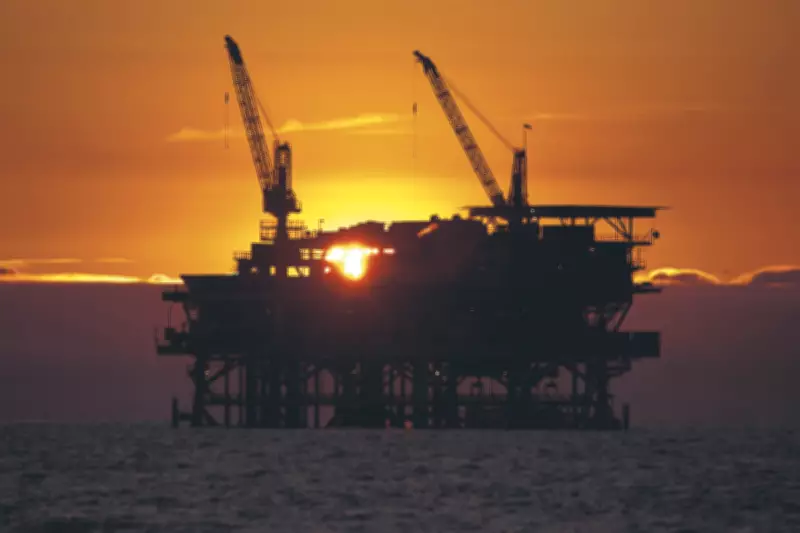
Good morning and welcome to the latest financial update from the City. The FTSE 100 index is poised for a substantial jump as global oil prices experience a sharp increase following the blockade of the Strait of Hormuz. This critical maritime chokepoint has become a focal point in the escalating conflict with Iran, sending shockwaves through international markets.
Oil Prices Skyrocket Amid Geopolitical Tensions
Brent crude, the international benchmark for oil prices, surged by 1.8 percent to reach $104.98 per barrel during early trading sessions in Asia. This significant price increase comes directly in response to heightened tensions in the Middle East, particularly surrounding Iran's military activities and the strategic importance of the Strait of Hormuz for global oil transportation.
President Trump has taken a firm stance against negotiations with Iran, declaring his unwillingness to make any deal under current circumstances. In a characteristically direct statement, Trump explained, "Iran wants to make a deal, and I don't want to make it because the terms aren't good enough yet." He emphasized that any potential agreement would need to be "very solid" before he would consider moving forward.
International Response and Market Implications
Energy Secretary Chris Wright provided additional context regarding the oil market's reaction, noting that "Depending upon the timing and the manner upon which this conflict comes to an end, we're going to see some elevated pricing until we get there." This assessment suggests that oil prices are likely to remain high for the foreseeable future, regardless of how quickly the immediate conflict resolves.
In a dramatic development, President Trump has called upon multiple nations to deploy naval forces to the region. Through a post on Truth Social, he specifically demanded that China, France, Japan, South Korea, and the United Kingdom send warships to protect the Strait of Hormuz from potential Iranian missile threats. This unprecedented request for multinational military intervention has added another layer of complexity to an already volatile situation.
Domestic Economic Measures and Energy Policy
On the domestic front, Chancellor Rachel Reeves has announced a support package aimed at providing relief for the United Kingdom's poorest households. In an interview with The Times, Reeves revealed that she had "found the money" to assist those who fall outside the protection of the existing energy price cap. This initiative represents a significant policy development for vulnerable consumers facing economic pressures.
Meanwhile, Energy Secretary Ed Miliband has firmly rejected calls for increased North Sea oil and gas extraction. Despite appeals from industry leaders including Octopus Energy CEO Greg Jackson and manufacturing body Make UK, Miliband stated unequivocally: "Some people want to go around and pretend that if only we draw more [oil and gas from the North Sea,] prices would go down. That is totally false." This position underscores the government's commitment to transitioning away from fossil fuels despite current market pressures.
Broader Market Context and Related Developments
The current market situation unfolds against a backdrop of several significant financial and political developments:
- President Trump has called upon Prime Minister Keir Starmer to assist in securing the Strait of Hormuz
- Thames Water creditors have presented what they describe as their "best and final" rescue funding proposal
- The Labour Party plans to provide financial incentives to businesses to offset recent benefits increases
- New research indicates that ninety percent of hospitality workers who change jobs ultimately leave the sector entirely
- A concerning trend shows older British investors avoiding market participation due to fears of financial loss
- Industry analysts are assessing the aftermath of Lloyds Bank's recent technological disruption
The combination of geopolitical tensions, energy market volatility, and domestic policy responses has created a complex financial landscape that will require careful monitoring in the coming days and weeks.