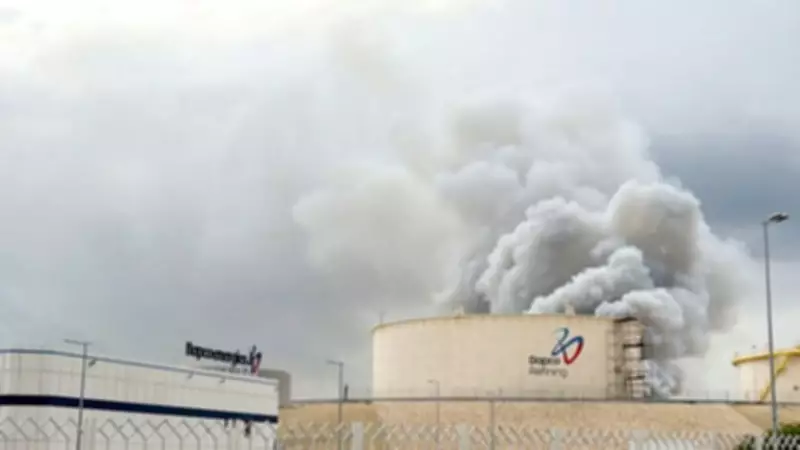
Energy Markets React to Potential Iran Conflict Resolution
Global energy prices have experienced a significant decline, while stock markets are poised for a recovery, following indications from President Donald Trump that the ongoing conflict with Iran may soon conclude. The hostilities, now entering their eleventh day, have created substantial volatility in financial markets and raised concerns about global economic stability.
Oil Prices Retreat from Six-Year High
Brent crude oil, the international benchmark, tumbled below $90 per barrel during early Tuesday trading after reaching above $118 in the previous session—a six-year peak. This dramatic reversal comes as President Trump suggested that US military objectives in the conflict are "complete" and that the situation "could be over soon."
The primary market concern has centered on the effective closure of the Strait of Hormuz, a narrow shipping lane located just off the Iranian coast that typically accounts for approximately one-fifth of global oil and natural gas deliveries. This critical waterway has been rendered virtually impassable over the past ten days due to security threats from Iranian forces, who have threatened retaliation for US-Israeli airstrikes targeting Iranian leadership and infrastructure.
Market Sentiment Shifts as Conflict Nears Potential Resolution
Financial markets have responded positively to the prospect of reduced tensions, with the FTSE 100 expected to open approximately 0.4% higher, recovering all losses from Monday's trading session. European and US stock markets similarly ended Monday in positive territory after beginning the day with significant declines.
Market analysts describe the current sentiment as cautiously optimistic. Nigel Green, chief executive of asset manager and consultancy deVere Group, observed: "Markets are beginning to trade the end of the conflict before it has actually happened. Oil dropping back below $90 and equities pushing higher tells us investors are already pricing a scenario in which tensions cool and supply disruptions remain limited."
Economic Implications and Government Responses
The conflict has already triggered inflationary pressures, particularly in energy markets, with concerns that higher oil and gas costs could affect everything from transportation and home heating to manufacturing and food production. In the UK and wider Europe, fuel prices have surged, with average pump costs increasing by more than 9p per liter since hostilities began—some forecourts have implemented price increases double that amount.
Government authorities and competition regulators have issued warnings against profiteering within the energy industry. Meanwhile, the G7 advanced economies, including Britain, have prepared contingency plans to release strategic oil reserves if necessary to mitigate supply disruptions from reduced Middle Eastern output.
As Brent crude traded at approximately $92 per barrel in volatile Asian markets, the broader economic outlook remains contingent on geopolitical developments. While financial markets typically anticipate future scenarios, analysts caution that current optimism may precede actual diplomatic or military resolutions.