Defence giant Babcock has taken a £140m hit in the last financial year, which helped drag down the blue-chip firm's profit growth. The FTSE 100 company recorded revenue of £5.3bn, marking 10 per cent growth compared to the previous financial year. It also announced another round of bumper returns with a £200m share buyback.
Aviation and Nuclear Drive Revenue
The firm's aviation revenue shot up by 34 per cent, reaching a high of £431m, while nuclear revenue increased by 14 per cent to £2.1bn, driven by submarine support where the company plays a key role in the UK. The revenue spike came ahead of analyst forecasts of £5.1bn for the 2026 financial year by nearly £161m.
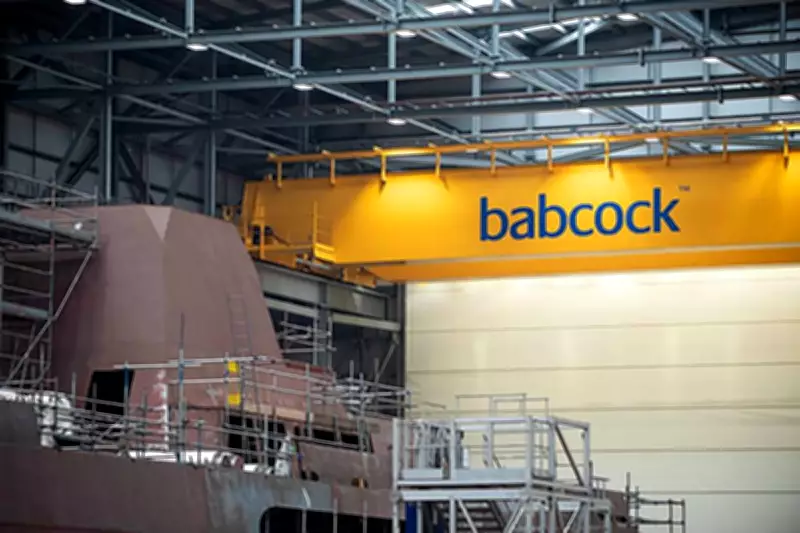
Its shares spiked nearly two per cent in early trading this morning. However, headline profit fell 20 per cent year-on-year to £293m, down from £363m the year prior and lower than the £413m pencilled in by City analysts. This was driven by a £140m hit due to costly rework and design changes related to its Type 31 frigate contract. The contract is a fixed-price deal to deliver five Type 31 warships to the Royal Navy. Babcock said the complexity in the “outfitting and commissioning” phase of the first ships had led to challenges, which as a result hit its bottom line.
Babcock a Beneficiary of Defence Boom
Babcock – which is instrumental to the UK's naval, land, and air operations as well as the country's nuclear submarine fleet – has been one of the firms to benefit from the global rise in defence spend. In February, the defence giant's shares soared as Prime Minister Keir Starmer called for Europe to “step up” on defence spending, promising to spend 2.5 per cent of GDP on central defence by April 2027.
Over the last year, defence stocks have benefitted amid heightened demand for munitions, military hardware, and defence equipment. Babcock's stock price doubled in the 12 months amid this frenzy, though it has taken a hit as global markets felt the economic crunch of the conflict in the Middle East in the last few months.
The company said its nuclear energy and defence arms remain “highly relevant” to its customers during “an increasingly complex and rapidly changing geopolitical context.” The boss of Babcock laid out plans to step down in January after presiding over a sixfold increase in the company's share price during his five-year tenure. David Lockwood, who joined the defence giant as its chief executive in September 2020, is set to step down from the company's board at the end of the year.