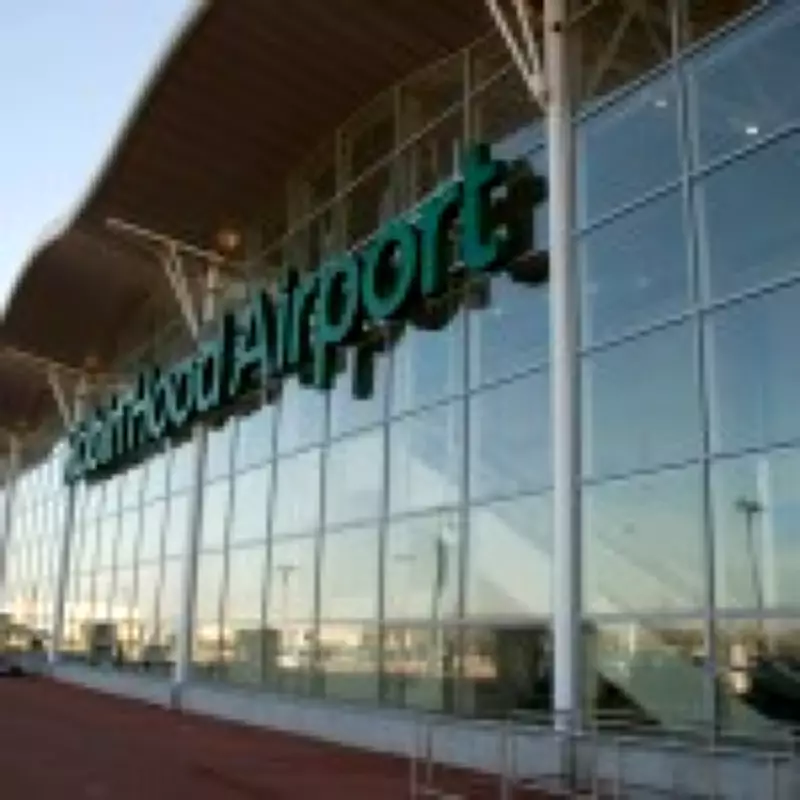
Doncaster Sheffield Airport (DSA), which has been closed since November 2022, is on the path to reopening after a £57 million loan from Doncaster Council was approved. The decision came following a resolution of a dispute between Labour and Reform UK councillors during a council meeting on May 11, as reported by Doncaster Free Press.
First Large Jet Lands After Nearly Four Years
On April 28, the first large jet touched down at the airport since its closure. A Boeing 727, owned by 2Excel Aviation, made a rare visit to its former home in northern England. Staff described the arrival as an 'amazing moment' for aviation and the local community. The aircraft is kept on constant standby as a response to oil spills worldwide, available 24/7 and deployable anywhere at short notice.
2Excel Aviation has been using Doncaster for its smaller aircraft since December 2025, but this landing demonstrates the potential for larger jets to operate from the site.
Economic and Regional Impact
Tourism expert Christian Petzold told Metro that this is a crucial step toward international connections for South Yorkshire. 'Currently it remains the largest city-region in Europe without access to a functioning airport. When reopened, the airport will significantly reduce the reliance of passengers and businesses on airports like Manchester, Leeds Bradford and East Midlands,' he said. Travel times would drop from over 90 minutes to approximately 30-40 minutes.
The South Yorkshire Airport City project is expected to bring 5,000 new jobs and £6.6 billion to the area, according to Doncaster Council. Freight flights are anticipated to resume around the end of 2027, with commercial passenger services starting in winter 2028.
History of the Airport
Doncaster Sheffield Airport first opened as Finningley Airfield in 1915, serving as a base for the Royal Flying Corps. It was used for training during World War II and for nuclear-armed Vulcan bombers during the Cold War before decommissioning in 1995. It reopened as a commercial airport in 2005 under the name Robin Hood Doncaster Sheffield Airport, a controversial choice given Robin Hood's strong association with Nottingham. A petition against the name garnered over 10,000 signatures, leading to a rebranding as Doncaster Sheffield Airport in 2016.
Local and Industry Reactions
Justin Crabbe, CEO at Jettly, noted that the Boeing 727 landing matters because it turns the reopening from an idea into something tangible. 'It's not the same as regular passenger service coming back, and I would not overstate it that way. But from an aviation standpoint, a wide body aircraft landing on the apron tells operators, businesses, and the local community that the airport is moving into something great,' he said.
Christian Foster, director of airport operator FlyDoncaster Ltd, called the landing a 'great day' in the plan to reopen the site. 'It's quite a moment seeing a jet land at the airport for the first time in almost four years,' he added, noting the energy among the 50 flight staff on site.
Mayor Ros Jones emphasized the importance of the airport: 'We know how important the airport is to local people and businesses so it is great to see an already established aviation business in our city being able to use the site again. I have made reopening our beloved airport my number one priority.'
Broader Context of Regional Airport Revivals
Doncaster is not alone in its revival efforts. In Kent, Manston Airport (also known as Kent International Airport) has been dormant since 2014, with its last scheduled flight leaving for Amsterdam on April 9, 2014. Currently used as a lorry park, investment firm RiverOak Strategic Partners (RSP) bought the site in 2017 for £16.5 million and plans to reopen it as a cargo airport initially, with a projected timeline of 2029 due to rising construction costs and financial market volatility. Discussions with airlines like Ryanair and easyJet for passenger services have been ongoing since 2022.