UK's AI Ambitions Under Fire as 'Phantom Investments' Uncovered
A recent investigation by The Guardian has cast a harsh light on the UK government's high-profile artificial intelligence initiatives, revealing a pattern of overstated commitments and unverified financial claims. The probe focuses on two key companies, Nscale and CoreWeave, both backed by chipmaker Nvidia and central to national AI plans, exposing discrepancies between promised investments and actual outcomes.
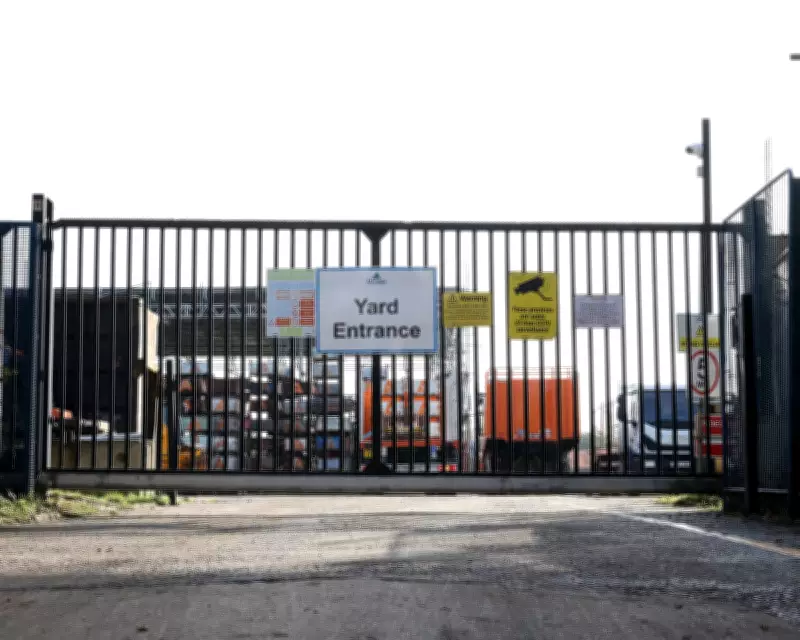
Scaffolding Yard Stands Where Supercomputer Was Promised
In Loughton, Essex, a site earmarked for "one of the most powerful AI computing centres ever built" remains operational as a scaffolding yard, despite government and Nscale assurances that the supercomputer would be functional by year-end. Land records indicate Nscale may not own the property, raising doubts about the feasibility of constructing a top-tier facility within the stated timeline. This delay highlights broader issues in the execution of AI infrastructure projects.
Government Admits Lack of Oversight on Billions in AI Funding
The investigation found that the UK government has no mechanism to audit the massive AI investments it publicizes, relying solely on figures provided by companies like Nscale and CoreWeave. Officials could not clarify whether these billions involve equipment, capital, or other forms, and failed to address queries about a contract for the Loughton site. Instead, they described a $2.5 billion investment as an "intention to commit capital" rather than a formal agreement, underscoring a lack of accountability.
Investments Often Involve Chip Relocations, Not Economic Injection
Much of the touted AI funding does not translate into direct economic benefits for the UK. For instance, Nscale's $2.5 billion plan largely entails purchasing Nvidia chips—manufactured in Taiwan by a US company—and housing them in UK datacentres to rent out to firms like Microsoft. Similarly, CoreWeave's announced £1 billion investment, marketed as creating new datacentres and jobs, actually involved placing chips into existing facilities, with the company defending this as an "industry-standard" approach that minimizes real economic impact.
Energy Demands and Corporate Controversies Add to Concerns
A proposed AI hub in Lanarkshire, Scotland, promises between 500MW and 1GW of private wire renewable energy—equivalent to a nuclear reactor's output—yet no plans exist for such infrastructure, raising questions about feasibility. Meanwhile, CoreWeave faces shareholder lawsuits alleging concealment of datacentre delays, though the company denies the claims. Early investors in both firms have seen potential windfalls, with Nscale's shares offering a theoretical 350,000% return post-valuation surge, highlighting how AI hype can drive profits despite operational shortcomings.
Implications for UK's Technology Strategy
These findings suggest that the UK's AI drive may be built on "phantom investments" that overstate economic contributions and underdeliver on infrastructure. As the government pushes forward with its technology agenda, greater transparency and verification mechanisms are needed to ensure promised benefits materialize and public funds are effectively utilized.