
Tesla Cybertruck Fires: A Deadly Pattern Emerges
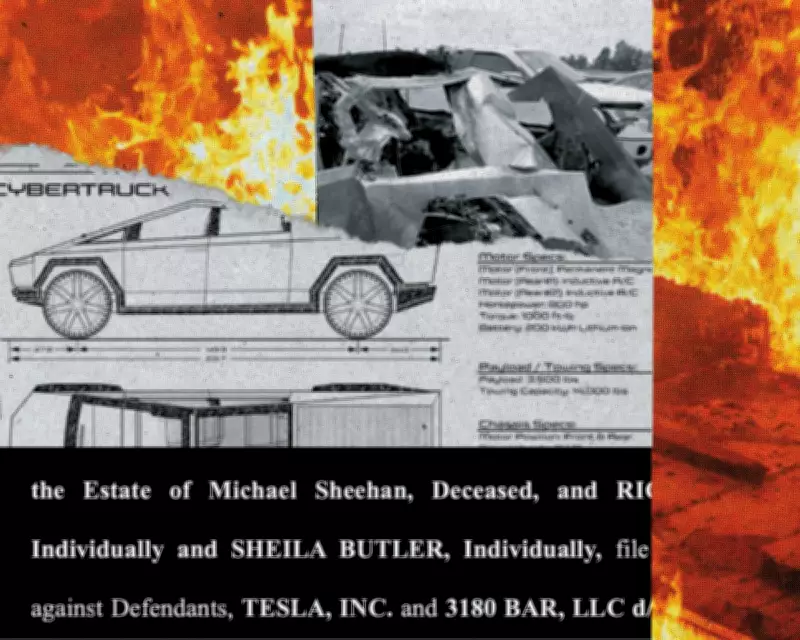
In August 2024, sheriff deputies in Baytown, Texas, responded to a late-night crash on a desolate road, only to find a Tesla Cybertruck engulfed in flames so intense they couldn't approach. The fire, leaping over 10 feet high, resisted initial extinguishing attempts, with the vehicle's batteries repeatedly reigniting. Once the blaze was out, officers discovered the severely burnt, unidentifiable remains of 47-year-old nurse practitioner Michael Patrick Sheehan, who had owned the Cybertruck for just three months. This incident is one of five known Cybertruck fires tracked by the Guardian, involving four fatalities and three wrongful death lawsuits against Tesla, raising serious questions about the vehicle's safety design.
Fiery Crashes and Trapped Passengers
The Baytown fire exemplifies a grim trend: Cybertrucks burning at temperatures exceeding 5,000°F, hot enough to cause thermal fractures in bones, as noted in Sheehan's family's lawsuit. The complaint argues Sheehan could have survived the crash if he had been able to open the doors and escape, but the electric door handles failed to unlock, trapping him inside. Safety experts highlight that this entrapment issue is a recurring problem across Tesla's vehicle lineup, but Cybertrucks appear to have a disproportionate number of known deaths. The truck's unique features, such as high-density laminated windows harder to break than standard car windows and the elimination of external door handles, complicate escape and rescue efforts during emergencies.
Thermal Runaway and Battery Dangers
Electric vehicle fires, particularly involving lithium-ion batteries, present unique hazards. When damaged, these batteries can undergo "thermal runaway," a domino-like combustion that burns faster and hotter than gasoline fires. In Los Angeles, 18-year-old USC basketball star Alijah Arenas survived a Cybertruck crash but described a harrowing ordeal: after the vehicle caught fire upon impact, he was trapped inside, unable to open the doors due to power loss. Passersby eventually peeled back a window to rescue him, but he suffered severe smoke inhalation and required a medically induced coma. Tesla's emergency response guide for Cybertrucks warns that battling such fires requires 3,000 to 8,000 gallons of water directly applied to the battery, with a constant risk of re-ignition.
Design Flaws and Manual Release Challenges
Tesla's design philosophy, emphasizing sleek aesthetics, has led to retractable electric door handles that sit flush with the car body. However, when the electrical system fails, these handles can lock passengers inside. Bloomberg has tracked over 140 consumer complaints about Tesla's locking door handles since 2018. In Cybertrucks, the manual release mechanisms are non-intuitive: the front door release is a lever by the window switches, while the rear requires removing a rubber mat in the door pocket and pulling a hidden cable. This system proved fatal in November 2024, when a Cybertruck carrying four friends in Piedmont, California, crashed into a tree at 58 mph and immediately ignited. Despite efforts by a bystander using a tree branch to break the windows, three passengers—Soren Dixon, Krysta Tsukahara, and Jack Nelson—died from smoke inhalation and thermal injuries, with autopsies showing no blunt force trauma from the crash itself.
Legal Battles and Regulatory Scrutiny
Families of victims have filed wrongful death lawsuits against Tesla, alleging that the Cybertruck's design flaws, particularly the door handle system, prevented escape. Tesla has denied wrongdoing, asserting compliance with federal safety standards and blaming driver negligence in some cases. The National Highway Traffic Safety Administration (NHTSA) has given Cybertrucks five-star safety ratings but hasn't developed standards for egress—the ability to exit a vehicle post-crash. The agency is gathering information on these incidents and has opened investigations into Tesla's door handles for other models. Meanwhile, regulators in Europe and China are moving to tighten rules around flush door handles, reflecting growing global concern.
Broader Industry Implications
The issue extends beyond Tesla, with complaints lodged against other manufacturers like Rivian, Volkswagen, and Ford for similar electric door handle designs. However, Cybertrucks stand out due to their higher rate of known deaths from entrapment relative to sales volume—with fewer than 60,000 units sold since debut, compared to over 350,000 Model Y sedans in 2025 alone. As investigations and lawsuits pile up, safety advocates urge for more intuitive escape mechanisms and better regulatory oversight to prevent future tragedies. The Baytown case continues in court, with Sheehan's family seeking vehicle data from Tesla to uncover the full story, while the company fights to move the matter to private arbitration.




