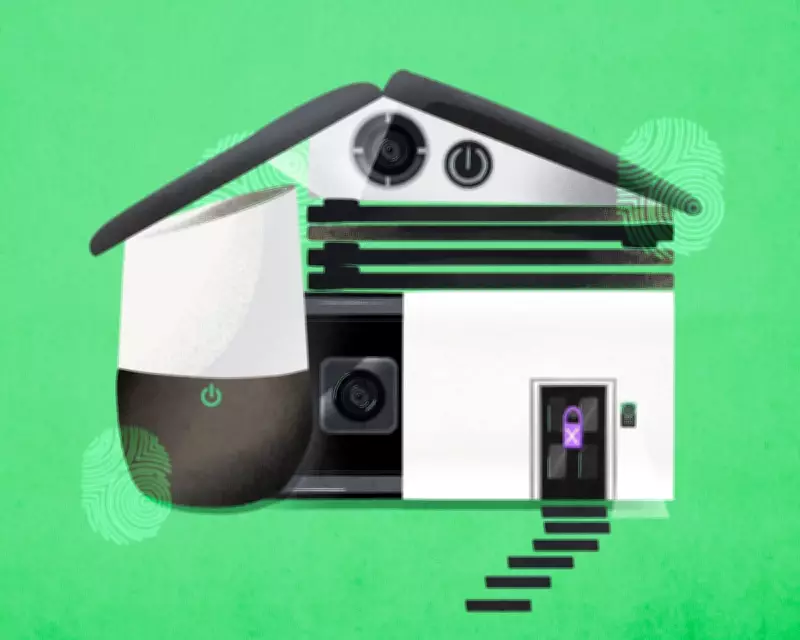
Smart Home Tech Backlash: Failures, Fees, and Privacy Fears Emerge
In the early 2020s, Australia witnessed a significant surge in the adoption of smart home technology, driven by promises of enhanced convenience and connectivity. However, years later, many early adopters are grappling with buyer's remorse as devices fail, subscription costs mount, and privacy risks become apparent. This trend highlights a growing skepticism toward the so-called "smart" revolution in domestic settings.
When Convenience Turns to Chaos
Elly Bailey, a technology reviewer based on the Gold Coast with over 1.1 million TikTok followers, experienced a ironic twist with her smart doorbell. Designed to prevent missed deliveries, the device instead caused her to lose packages because it only sent notifications to her phone without an audible chime. "It's pretty funny," Bailey remarked, noting that the doorbell's sound was too faint for indoor hearing. Her story resonates with countless users who find that smart devices often complicate rather than simplify daily life.
Social media and product review sites are flooded with anecdotes of people locked out by faulty smart locks, disturbed by pets triggering driveway cameras, or left in darkness due to broken smart lights. Georgina Wilson, an architect in Sydney, learned this lesson firsthand when her smart keypad was damaged by a pressure hose, leading to an expensive locksmith callout. "We've seen clients unable to flush toilets, lock front doors, or exit garages during power outages," she reported, underscoring the vulnerabilities of over-reliance on technology.
Subscription Struggles and Repair Riddles
Beyond functional failures, many smart home devices come with hidden costs. Simple items like doorbells and thermostats frequently require monthly subscription fees, adding financial strain. Daniel Vasilevski, a Sydney electrician, estimates that 15 to 20% of his service calls now involve smart tech issues, ranging from minor repairs to complete system removals. "It isn't worth the hassle, most of the time," he said, pointing out that many electricians avoid these jobs due to their complexity and lack of manufacturer support.
When brands discontinue products or shut down, as seen with Belkin's Wemo range, customers can be left with obsolete devices. Gaby Albutros of RSE Home Automation noted, "The only option when they go wrong is to have them ripped out." This disposability contrasts sharply with the enduring appeal of traditional, non-connected alternatives.
Privacy Perils and Security Shortfalls
Smart homes also pose significant cybersecurity threats. Experts warn that these systems are prime targets for hackers, with incidents like the breach of over 120,000 smart cameras in South Korea highlighting the risks. Emily Holyoake, a cyber and home-security expert in Canberra, emphasized the dangers of technology-facilitated domestic abuse, where ex-partners exploit access to smart locks and cameras to monitor or control victims.
Renters face additional privacy concerns, as smart locks can enable landlords to track their movements. Julie Provenzano, a real estate broker, advised caution, stating, "Hi-tech doesn't necessarily mean easier ... It leaves people in a hostage situation with IT departments." Holyoake recommends regular security checks, including updating passwords and reviewing data access, to mitigate these risks.
Embracing a Hybrid Approach
Despite the drawbacks, some experts advocate for a balanced, intentional approach to smart technology. Holyoake uses devices like security cameras and robot vacuums to streamline family life, particularly with neurodivergent children, but stresses mindfulness about data security. Similarly, Bailey maintains a hybrid setup, keeping most of her home "consciously dumb" while retaining her smart doorbell for its benefits. "Ultimately I'm an old-school millennial who's very happy to put my washing on myself," she said, suggesting that simplicity can be a smarter choice.
As the allure of smart homes wanes, the debate intensifies: is it smarter to opt for a "dumb" home? With reliability issues, ongoing costs, and privacy at stake, many Australians are reconsidering their tech investments, favoring functionality over flashy connectivity.