
The Politeness Paradox: Should We Say 'Please' and 'Thank You' to AI Assistants?
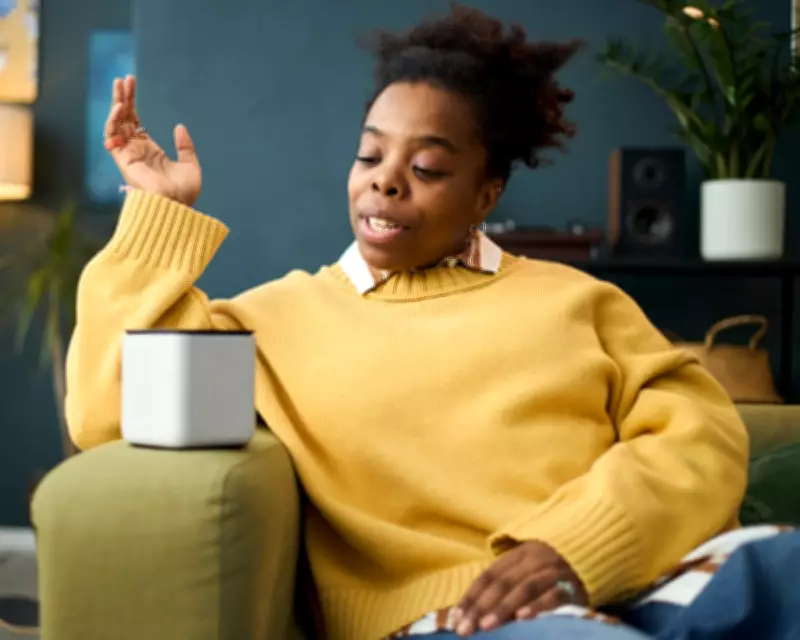
A recent Guardian readers' discussion has sparked a fascinating debate about whether humans should extend basic courtesies like "please" and "thank you" to artificial intelligence assistants such as Alexa, Siri, or Google Assistant. The conversation reveals deep divisions about how we should interact with increasingly sophisticated technology that mimics human conversation.
The Case Against Politeness: Machines Aren't Sentient
Many readers argue strongly against treating AI assistants as if they possess feelings or consciousness. "No, do not treat these devices as sentient life," insists one commenter identified as User30000. "They are designed to imitate our social behaviors, but we should not begin to think of the imitation as real." This perspective warns against anthropomorphizing machines, suggesting that humanizing technology could lead to problematic blurring of boundaries between human and machine relationships.
From an environmental standpoint, some readers point out concrete drawbacks to polite language with AI. "Processing that extra language, which adds nothing to the content of what you're asking it to do, uses extra energy and water," notes superspartan. Given that AI systems already consume significant resources, adding unnecessary pleasantries could contribute to substantial energy waste across millions of daily interactions.
The Habit Argument: Politeness as Human Default
Other readers advocate for maintaining polite habits regardless of the recipient's nature. "I agree, but it's also good to maintain the habit of politeness as a human default setting," suggests lauk. This viewpoint emphasizes that how we treat machines might influence how we treat people, with politeness serving as a valuable social habit that shouldn't be abandoned simply because the listener lacks consciousness.
Several commenters express concern about how impolite interactions with AI might affect human behavior more broadly. "I have noticed friends' children and also other adults becoming generally ruder as they interact more and more with AI in their homes and on their phones," observes porridgeoates. The concern is that habitual rudeness toward machines could spill over into human interactions, potentially eroding empathy and consideration that require conscious cultivation.
The Practical Reality: AI Responds to Tone
Interestingly, some readers report practical benefits to polite interactions with AI systems. "Several studies have shown that it helps," notes Doug Aberdeen. "After all, modern AIs are just huge statistical parrots: when you are polite to them, they are polite and helpful back." This suggests that despite their lack of consciousness, AI systems are programmed to respond differently based on linguistic cues, making politeness potentially functional rather than merely ceremonial.
One reader shares personal experience with this phenomenon: "That program certainly responds to politeness and even has received enough natural language processing to have a sense of humor," reports Tobias about interactions with Perplexity AI. This practical dimension adds complexity to the debate, suggesting that politeness might serve functional purposes in human-AI communication beyond mere habit or principle.
The Philosophical Dimension: What Politeness Reveals About Us
Several commenters approach the question from a philosophical perspective. "Politeness is good for the soul," argues Martin from Dorset. "The fact that Alexa doesn't have one doesn't matter – your soul is the one being corroded." This viewpoint suggests that how we treat machines reveals something about our own character development, regardless of the machine's capacity to appreciate or reciprocate.
Louise extends this reasoning: "When we are rude or brusque with them, we are modeling behaviors that will bleed into our other relationships." The concern here is that habitual behaviors formed with AI assistants might transfer to human interactions, particularly in situations involving power imbalances where politeness matters most.
The discussion ultimately reveals that the question of politeness toward AI assistants touches on multiple dimensions: environmental impact, habit formation, practical functionality, and philosophical questions about what our treatment of machines says about human character. As AI becomes increasingly integrated into daily life, these questions about appropriate interaction protocols will likely become more pressing and complex.




