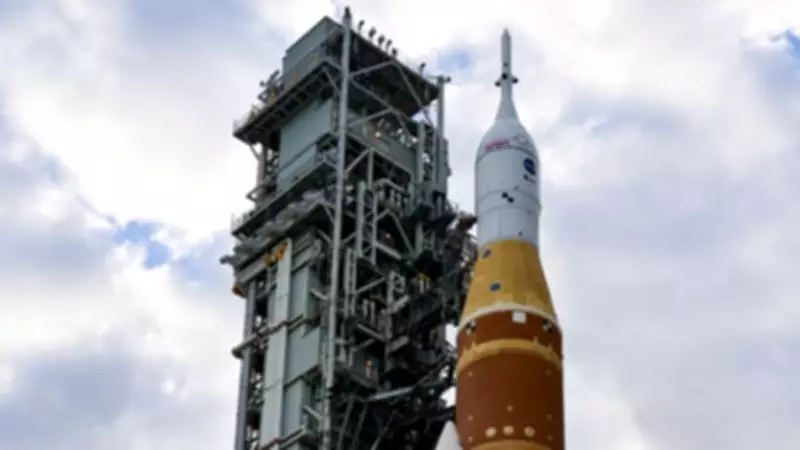
NASA's Artemis II Moon Mission Could Launch Next Month
NASA is targeting a launch as early as March 6 for its Artemis II mission, which would send four crew members on a journey to orbit the moon and return to Earth. If successful, this mission would represent the first time humans have traveled to the moon in more than 50 years, since the Apollo 17 mission in 1972.
Historic Lunar Return After Decades
The Artemis II mission, announced on Friday, aims to propel astronauts around the moon without landing on its surface. Jared Isaacman, an administrator at NASA, described the planned launch as "a big step toward America's return to the lunar environment." The crew would depart from Florida's Kennedy Space Center, but officials have cautioned that the launch could be delayed pending final checks and technical assessments.
Overcoming Technical Challenges
Earlier this month, a rehearsal for the launch was disrupted due to a hydrogen leak, highlighting the complexities of the mission. However, a subsequent test conducted on Thursday was completed successfully after technicians replaced two seals, with no leaks identified. The 50-hour rehearsal involved fueling the rocket with approximately 730,000 gallons of propellant, underscoring the meticulous preparations required for such a high-stakes endeavor.
Long-Term Goals for Space Exploration
The Artemis missions are integral to NASA's broader strategy to establish a sustainable human presence in space. This includes plans to build the Lunar Gateway, a space station where astronauts could live and work, serving as a hub for future missions, including those aimed at Mars. The Artemis II launch, if it proceeds as scheduled, will pave the way for these ambitious long-term objectives, reigniting global interest in lunar exploration and beyond.