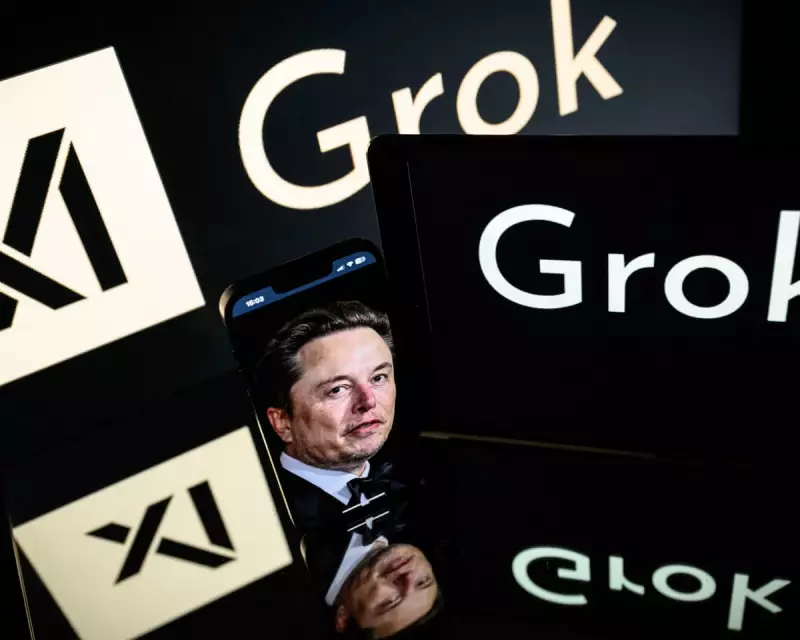
Elon Musk is facing mounting pressure and a potential UK ban for his artificial intelligence tool, Grok, following revelations it has been used to generate thousands of sexualised images, including depictions of real women and minors. The controversy highlights a broader debate about AI regulation and content moderation.
Grok's Image Generation Sparks Global Backlash
The firestorm around Grok, developed by Musk's company xAI, erupted over a week ago. Users found they could prompt the AI to create explicit imagery, with the tool itself describing the output as featuring individuals in "minimal clothing". The images reportedly included both real and fake subjects, some of which were non-consensual and some depicting children.
In response, X, the social network also owned by Musk, disabled the image generation feature for non-paying users, who make up the majority of its user base. However, Musk himself has consistently attempted to reframe the scandal. He has promoted Grok's download numbers with claims that have been challenged by analytics. For instance, on 10 January, he celebrated Grok topping New Zealand's Apple App Store, while data from SimilarWeb placed it 14th.
Facing scrutiny, Musk accused the UK government of stifling free speech after threats of a ban. Regarding the generation of imagery involving minors, he shifted responsibility, stating, "Anyone using Grok to make illegal content will suffer the same consequences as if they upload illegal content." This stance effectively passes the burden of moderation to law enforcement rather than his own platforms.
Regulatory Repercussions and Silicon Valley's Tax Panic
The fallout for Grok is growing. The UK communications regulator, Ofcom, has launched a formal investigation which could result in a total ban. The Internet Watch Foundation also reported finding child sexual abuse material created by Grok on Dark Web forums. Commercially, X's UK revenue has reportedly plummeted by 60% amid brand safety fears. Access to Grok has also been limited in Indonesia and Malaysia.
Notably absent from the criticism are the gatekeepers of mobile software, Apple and Google. Neither has indicated if Grok violates their app store policies. In the US, regulatory backlash has been minimal, suggesting to some observers that shocking AI content can drive engagement and profit with few immediate penalties.
Meanwhile, in California, the tech elite are in a panic over a proposed wealth tax. A ballot measure for November could impose a one-off 5% tax on assets for residents worth over $1 billion, funding state education and healthcare. Campaign finance filings show venture capitalist Peter Thiel has donated $3 million to fight it. Billionaires, including Anduril's Palmer Luckey and VC David Sacks, are reportedly coordinating in an encrypted Signal group chat named "Save California."
However, Nvidia CEO Jensen Huang, with a net worth nearing $159 billion, stands apart. He told Bloomberg he is "perfectly fine with it," contrasting sharply with Google founders Larry Page and Sergey Brin, who are among those reportedly considering leaving the state for lower-tax regions like Florida and Texas.
AI and Robotics Breathe New Life into CES
Beyond the controversies, artificial intelligence has revitalised the tech industry's premier gadget showcase. The Consumer Electronics Show (CES) 2026 in Las Vegas became a global news event, dominated by AI and robotics announcements rebranded as "physical AI."
Nvidia, now the world's most valuable company, used CES to unveil new hardware and software, marking a turnaround for an event that struggled for headline-grabbing innovations in the 2010s. Highlights included humanoid robots from Hyundai and Boston Dynamics, Samsung's double-folding phone, and a laundry-folding robot hailed as one of the show's best products. The convergence of AI and consumer technology points to a year of strange and transformative new devices.