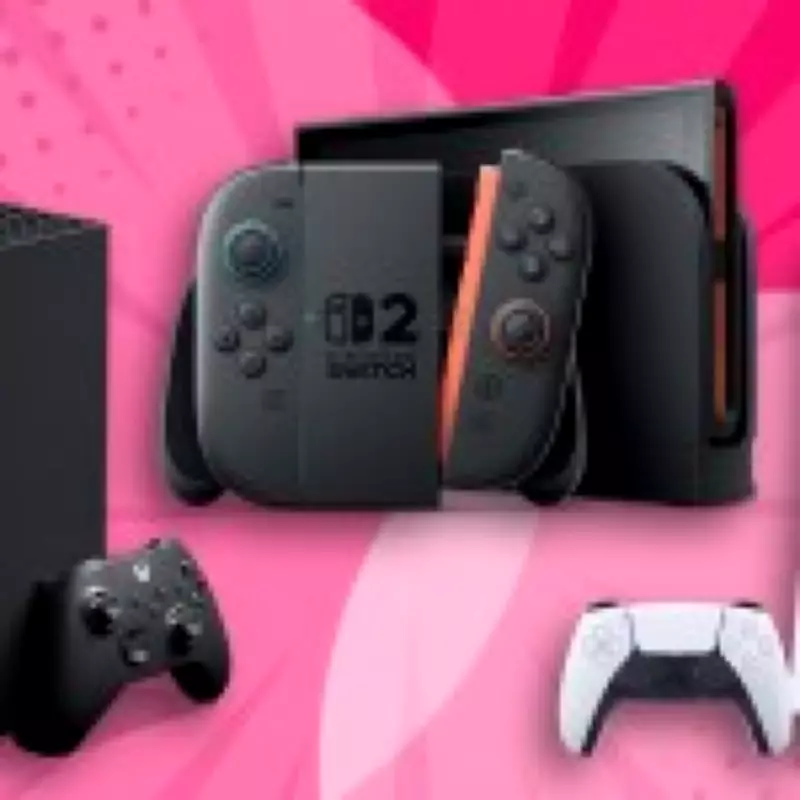
Memory Crisis Looms Over Console Industry
The gaming world faces an unprecedented threat as artificial intelligence companies aggressively purchase memory and electronic components, creating severe shortages that could devastate console manufacturing. Industry analysts predict potentially a decade of supply chain problems that might render gaming consoles and high-end PCs impossible to produce for several years.
Console Manufacturers at Risk
Experts express particular concern for Sony and Nintendo, companies whose primary business revolves around electronics and gaming hardware. Unlike Microsoft with its diversified corporate structure, these Japanese giants could face existential threats if component shortages persist. The alarming scenario raises questions about whether all three major console manufacturers might simultaneously transition to third-party software development.
"This is an industry-ending problem," warns one industry observer. "In the worst-case scenario, we're talking about consoles becoming impossible to manufacture for several years. Whether that would last for a whole decade remains uncertain, but the implications are catastrophic."
Portable Gaming Devices Vulnerable
The memory shortage crisis extends beyond traditional home consoles to threaten the burgeoning market of portable gaming devices. PC handheld systems from smaller manufacturers face particular vulnerability, with even established products like Steam Deck experiencing limited market penetration. Rumored portable devices from Xbox and PlayStation might face cancellation due to their reliance on custom chips that require specialized manufacturing.
The component crisis creates a paradoxical situation for gamers who have expressed reluctance about rapid console generations. While some might welcome delayed hardware cycles, the potential postponement of PlayStation 6 until 2036 represents an extreme consequence of current supply chain disruptions.
Industry Reactions and Reader Perspectives
Retro Gaming Renaissance
Facing potential hardware scarcity, gaming enthusiasts speculate about increased interest in retro gaming and remakes. Readers debate which classic titles deserve modern reinterpretations, with Final Fantasy 7 Remake's commercial performance influencing publisher decisions about future projects. Despite fan enthusiasm for remakes of Final Fantasy 6, 10, and Chrono Trigger, economic realities may limit such ambitious undertakings.
One reader suggests: "If a big budget Final Fantasy 7 remake only sells okay, what chance does anything else have?" This sentiment reflects broader industry concerns about the viability of expensive remake projects during uncertain economic times.
Pokémon's Technological Crossroads
Game Freak faces mounting pressure to revitalize the Pokémon franchise through technological innovation. While some fans envision expansive open-world experiences, others advocate for HD-2D hybrid approaches that blend modern and retro aesthetics. The debate highlights tension between technological ambition and practical development constraints within the gaming industry.
"Unless Nintendo is going to spend GTA 6 style money on it, I don't think there's any point making Pokémon 3D," argues one reader. This perspective emphasizes the importance of distinctive visual styles over raw graphical power.
God of War Spin-Off Criticism
The surprise release of God of War: Sons of Sparta has generated mixed reactions, with some readers criticizing its visual presentation and development pedigree. The 2D Metroidvania format featuring Young Kratos has disappointed fans who expected more innovative approaches to the beloved franchise.
One critic notes: "I feel there's plenty of interesting things an indie dev could've done with a low budget God of War game and a 2D Metroidvania with Young Kratos seems like the absolute least exciting option." This response reflects broader expectations for creative risk-taking in spin-off titles.
Broader Industry Challenges
Leak Prevention and Digital Distribution
Persistent game leaks before official release dates continue to frustrate both developers and publishers. Readers question why companies don't implement more robust digital rights management systems, similar to pre-loading mechanisms that prevent early access. The discussion highlights ongoing tensions between consumer convenience and content protection in the digital age.
Controller Configuration Confusion
Microsoft's decision to reverse Nintendo's button configuration continues to generate frustration among multi-console gamers. The historical context reveals that Microsoft originally adopted Sega's controller layout during early Xbox development, creating lasting interface inconsistencies that complicate switching between gaming platforms.
Community Engagement and Feature Development
The Games Inbox maintains its role as a vital forum for gaming discourse, with readers contributing diverse perspectives on industry trends, game design, and technological developments. Regular features and weekend Hot Topics provide structured opportunities for community interaction, while Reader's Features allow for more extensive commentary on gaming-related subjects.
As the gaming industry navigates component shortages, economic uncertainty, and creative challenges, community dialogue remains essential for understanding evolving player expectations and industry directions.