
Indie Developer Takes Stand Against Microsoft Over Gaza Conflict
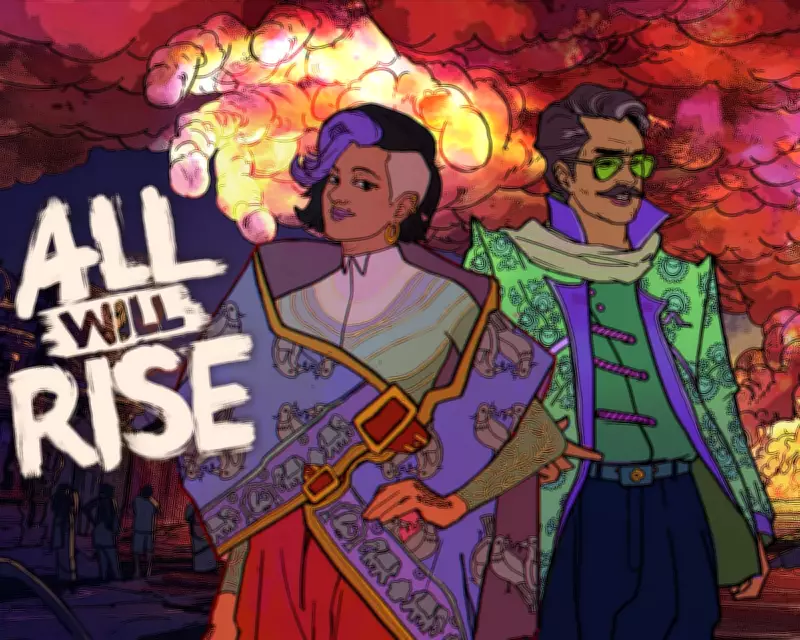
In a bold move that defies industry norms, independent game studio Speculative Agency has returned funding from Microsoft, joining the growing No Games for Genocide movement. The developers behind the upcoming deck-building game All Will Rise made this unprecedented decision to protest Microsoft's connections with the Israeli military during the Gaza conflict.
The Funding Crisis and an Unusual Refusal
The video game industry faces a severe funding shortage, particularly for independent developers who struggle to secure capital following the pandemic-era investment boom. Against this challenging backdrop, Speculative Agency's choice to return Microsoft's money stands out as exceptionally rare and principled.
Microsoft had provided financial support through its developer acceleration program last year, but the studio became aware of the No Games for Genocide collective in late 2025. This movement brings together developers, journalists, and union organizers protesting commercial ties between the games industry and military operations they characterize as enabling genocide and war crimes.
The Boycott Movement Gains Momentum
No Games for Genocide specifically targets Microsoft and Xbox due to the company's relationship with the Israeli Defense Force and its provision of technology during Israel's military operations in Gaza. A United Nations commission previously declared these actions to constitute genocide.
Meghna Jayanth, narrative designer for All Will Rise, explained the studio's decision: "This felt right to us - our game is about making people feel powerful and taking action against cynicism. We know our individual action won't change everything, but if enough developers join this boycott, we can pressure Microsoft to end its complicity."
Industry Response and Growing Support
The gaming community has demonstrated significant anti-war sentiment through various initiatives:
- Developers have raised over $1 million for Palestinian aid through charity game bundles
- Streamers under the Streamers 4 Palestinians banner have collectively raised €1 million
- No Games for Genocide has attracted nearly 2,800 signatories, including nine organizations
A spokesperson for the movement confirmed: "Three studios have agreed to refuse or return Microsoft funding while the company remains complicit in Israel's actions against Palestinian people. We're supporting these studios through the challenges of taking such a stance."
Broader Industry Connections Under Scrutiny
The campaign extends beyond Microsoft to other technology companies with military ties:
- Intel processors used in most computers
- Amazon, which owns streaming platform Twitch
- Computer manufacturers Dell and HP
- The U.S. Department of Defense's use of games for military training
Jayanth noted the difficulty of complete divestment in a globalized economy: "No area of entertainment remains untouched by corporate and government influence. From EA's potential ownership by Saudi Arabian funds to Microsoft's acquisitions of major franchises, the connections are pervasive."
A Movement of Hope and Collective Action
Despite the challenges, organizers remain optimistic about creating change through collective action. The No Games for Genocide campaign emphasizes that while individual actions might seem insignificant, combined efforts can pressure major corporations to reconsider their partnerships.
The movement represents a growing consciousness within the gaming industry about ethical responsibilities, with developers increasingly willing to take financial risks to align their work with their principles. As the campaign continues to gain traction, it highlights how creative industries can leverage their influence to address global human rights concerns.




