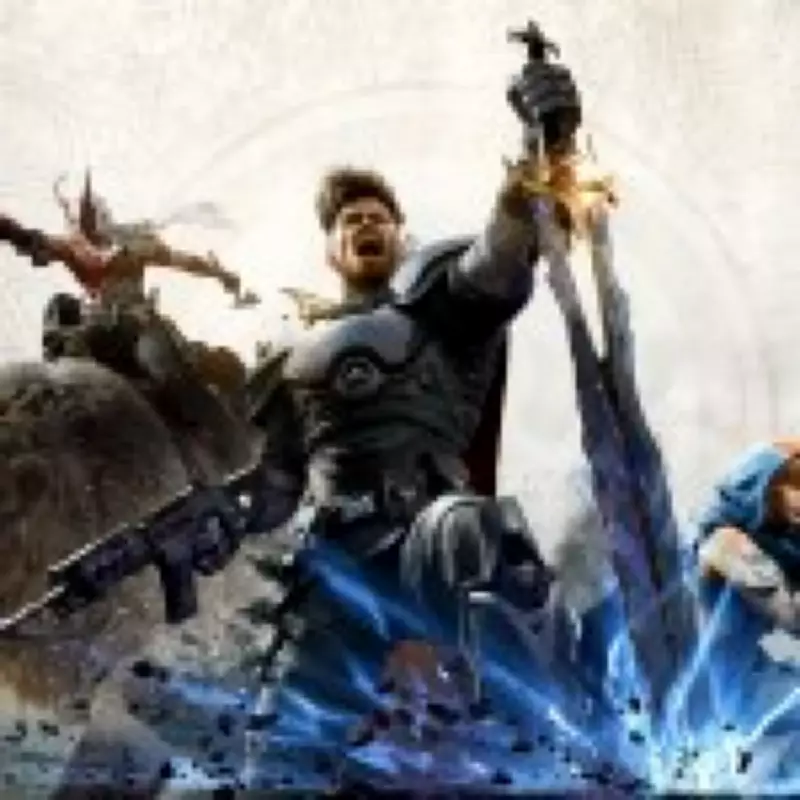
Former Highguard Developer Criticizes Toxic Gaming Culture for Title's Failure
An ex-developer from Wildlight Entertainment has publicly criticized what he describes as toxic "gamer culture" for contributing to the dramatic failure of the free-to-play shooter Highguard. The game, developed by veterans from Apex Legends and Titanfall, experienced one of the most turbulent launches in recent gaming history.
The Controversial Reveal and Rapid Decline
Highguard was revealed during The Game Awards in December 2025, occupying the climactic final slot that many viewers expected would feature a more established franchise. This placement immediately generated negative reactions, with comparisons to other failed live-service games like Concord. Despite launching on January 26, 2026, with over 97,000 concurrent players on Steam, the player count plummeted to just 2,618 within weeks.
The sudden drop led Wildlight Entertainment to lay off most of its staff, leaving only a core development team to support the game. While the studio plans a full year of DLC and hasn't shut down the title, its future appears uncertain at best.

Developer's Inside Perspective on the Backlash
Technical artist Josh Sobel, one of the laid-off employees, posted a lengthy statement detailing the internal experience. "People who played the game, including us, had a blast," Sobel wrote, noting that initial feedback from unbiased sources was "quite positive." The development team, operating as an independent, self-published studio, had hoped Highguard would provide financial stability.
"But then the trailer came out, and it was all downhill from there," Sobel explained. He criticized content creators for amplifying negative reactions that received significantly more engagement than positive feedback, creating what he called "disingenuous" coverage.
Personal Attacks and Review Bombing
Sobel described facing personal attacks after setting his social media account to private, including mockery of his autism diagnosis and suggestions that the game would be "woke trash." "All of this was very emotionally taxing," he added.
The developer acknowledged that Highguard had legitimate shortcomings, particularly its generic presentation as a live-service title. However, he emphasized how quickly the narrative turned against the game: "Within minutes, it was decided: this game was dead on arrival, and creators now had free ragebait content for a month."
Sobel reported that every promotional video received massive downvotes, comment sections were flooded with memes like "Concord 2" and "Titanfall 3 died for this," and the game received over 14,000 review bombs from users with less than an hour of playtime.
The Power Dynamics of Modern Gaming Culture
While acknowledging that developers sometimes unfairly blame gamers for failures, Sobel argued that gaming communities wield significant power over a title's fate. "I'm not saying our failure is purely the fault of gamer culture and that the game would have thrived without the negative discourse, but it absolutely played a role," he stated.
"All products are at the whims of the consumers, and the consumers put absurd amounts of effort into slandering Highguard. And it worked."
Broader Implications for Game Development
The Highguard situation highlights several critical issues in contemporary gaming:
- Reveal Strategy Sensitivity: How placement in major events can backfire if audience expectations aren't met
- Content Creator Influence: The economic incentives that reward negative coverage with higher engagement
- Community Toxicity: The personal toll on developers facing harassment and mockery
- Review Bombing Impact: How coordinated negative reviews can damage a game's reputation regardless of quality
Despite the challenges, Sobel expressed continued belief in Highguard, hoping it "can stay the course" through ongoing updates. The developer added that while his journey with the project ended "abruptly and emotionally," he doesn't regret the experience.
The gaming industry continues to grapple with these dynamics as live-service models become increasingly common, making community reception more critical than ever for a title's survival.