
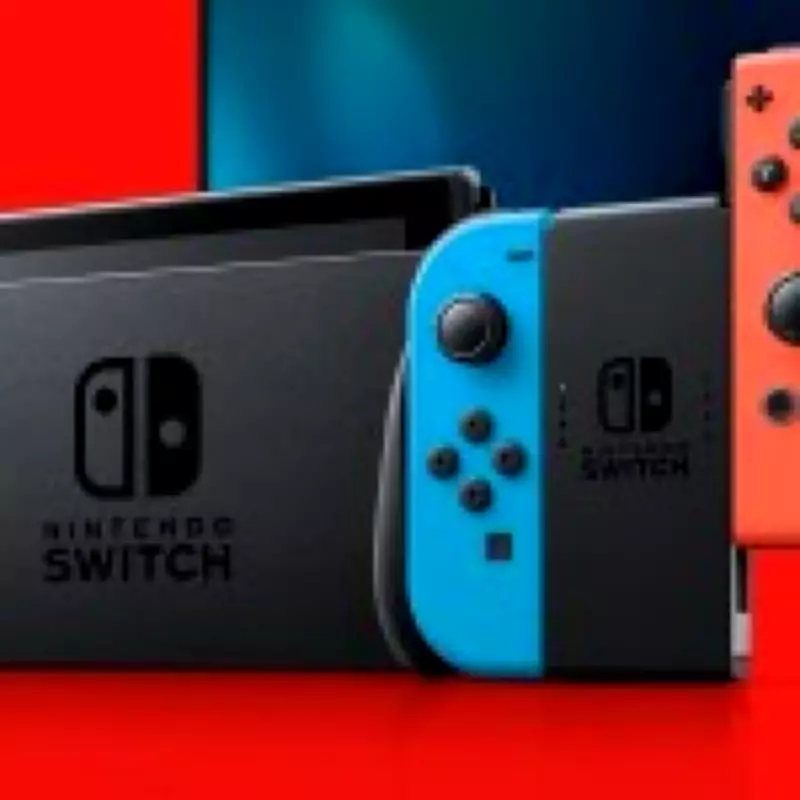
Four Men Confess to Selling Modified Nintendo Switch Consoles in Japan
A group of four men in Japan have been arrested and have confessed to selling modified Nintendo Switch consoles, which they advertised as having 'improved performance' and the ability to play pirated games. This case underscores Nintendo's long-standing policy against hardware modification and unauthorized sales for profit.
Details of the Illegal Operation
According to reports from Japanese news site YTV, the four individuals modified approximately 45 Nintendo Switch consoles and sold 15 of them through social media platforms last year. Their estimated earnings ranged from 600,000 to 900,000 yen, equivalent to £2,837 to £4,256. Each console was reportedly sold for as low as 40,000 yen, or about £189, which is significantly less than the standard retail price of £259.99.
The group includes two teenagers aged 18 and 19, along with two older members in their 20s and 30s. They admitted to the charges, stating they were 'just trying to make some pocket money.' The Kyoto Prefectural Police referred the case to prosecutors after an investigation initiated by a direct consultation from Nintendo.
Legal Implications and Nintendo's Stance
While the validity of the performance improvement claims remains unclear, the primary legal issue revolves around potential violations of Japan's Trademark Act, which protects Nintendo's intellectual property rights. Nintendo has consistently opposed hardware modifications, as exemplified by the high-profile case of Gary Bowser, who was fined £11 million for similar activities.
This incident follows a precedent set last year when a man in his 50s received a two-year prison sentence for modifying and selling Switch consoles, though it was later suspended. He was also fined 500,000 yen, approximately £2,365. Experts suggest the current group may face similar penalties, including suspended sentences and fines, though whether these will be collective or individual remains undetermined.
Broader Context and Industry Impact
This case marks a significant enforcement action in Japan, highlighting the risks associated with modifying and selling gaming hardware illegally. It serves as a warning to others considering similar ventures, emphasizing the severe financial and legal consequences that can arise from infringing on trademark rights. The gaming community continues to debate the ethics and legality of hardware modifications, but Nintendo's firm stance leaves little room for ambiguity.




