Anlife: The AI Evolution Simulator That Survived Miyazaki's Scathing Critique
A peculiar piece of software has recently emerged on the PC gaming platform Steam, occupying a unique space between a life simulation game, a scientific experiment, and a digital aquarium. Anlife: Motion-learning Life Evolution might have faded into obscurity if not for its controversial backstory involving one of Japan's most revered animation legends.
From Insult to Innovation: The Miyazaki Connection
In 2016, Hayao Miyazaki, the visionary director behind cinematic masterpieces like Spirited Away and Princess Mononoke, witnessed a demonstration of AI animation technology that left him horrified. Confronted with a zombie character that moved by knocking its skull against the ground and writhing like a fish, Miyazaki declared the technology "an insult to life itself." The developers in that room, visibly shaken by the legendary animator's reaction, have now resurrected their work nearly a decade later with Anlife's public release.
The gaming community's interest in Anlife stems partly from its potential to illuminate the complex relationship between video games and artificial intelligence. With AI-related job losses and AI-assisted games becoming increasingly common on platforms like Steam, understanding this evolving dynamic has never been more crucial.
The Soothing World of Digital Evolution
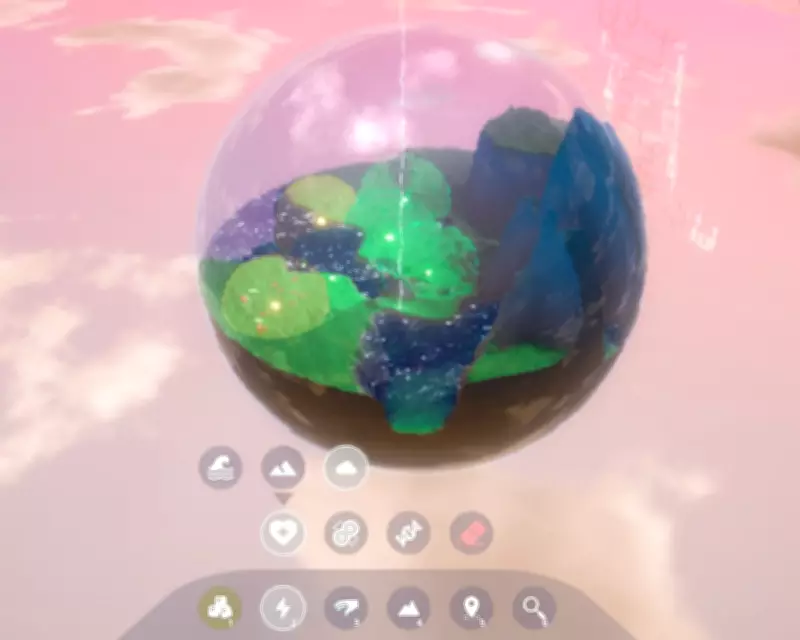
Anlife presents players with an evolution simulator where "AI-driven block creatures move in unexpected ways." The gameplay primarily involves placing various creatures into small environments and observing as they learn to navigate their surroundings. Visually, the game embraces the Frutiger Aero aesthetic with lush green valleys and shimmering waters that could easily serve as calming imagery during medical procedures.
The auditory experience proves equally gentle, featuring a symphony of bloops, bleeps, and popping sounds reminiscent of early 2000s spa soundtracks. This soothing atmosphere extends to the game mechanics, where players can spend idle mornings placing simple creatures in environments, providing food to encourage breeding or mutation, and expanding territories to lure creatures toward water or into the air to create new variations.
The Oatmeal Problem and AI's Limitations
Despite its innovative premise, Anlife faces what developers and academics call "the oatmeal problem" - a concept formulated by writer and developer Kate Compton. Just as every bowl of oatmeal is technically unique but not particularly interesting, Anlife's creatures discovering new movement methods toward food creates only minor variations in an otherwise repetitive cycle.
This results in gameplay that either demands intense focus on minute details or encourages complete zoning out to enjoy the floating aesthetic. Most players find themselves transitioning from the former to the latter within minutes of gameplay. The game's skill tree system further complicates matters, giving initial hours the feel of a mindless clicker game that's difficult to overcome.
AI's Alien Intelligence and Commercial Realities
The more time spent with Anlife, the more it prompts reflection on AI's potential as an alien form of intelligence - a concept discussed by early AI researchers who envisioned artificial minds providing humans with entirely new perspectives on our cognitive processes and biases. Yet contemporary AI development, particularly by companies like OpenAI, often focuses on creating mimetic systems that reinforce existing human thinking patterns rather than challenging them.
Anlife occupies a specific niche by openly embracing its AI foundations rather than disguising them. The game doesn't merely utilize AI technology; it actively explores AI's capacity for otherness and alien thinking. Unlike many AI-assisted games that hide their technological underpinnings, Anlife proudly examines artificial intelligence's innate strangeness through its evolving digital creatures.
Anlife: Motion-learning Life Evolution represents more than just another Steam release - it's a testament to technological persistence, a meditation on AI's creative potential, and a curious experiment in digital evolution that continues to spark conversations about artificial intelligence's role in gaming and beyond.