
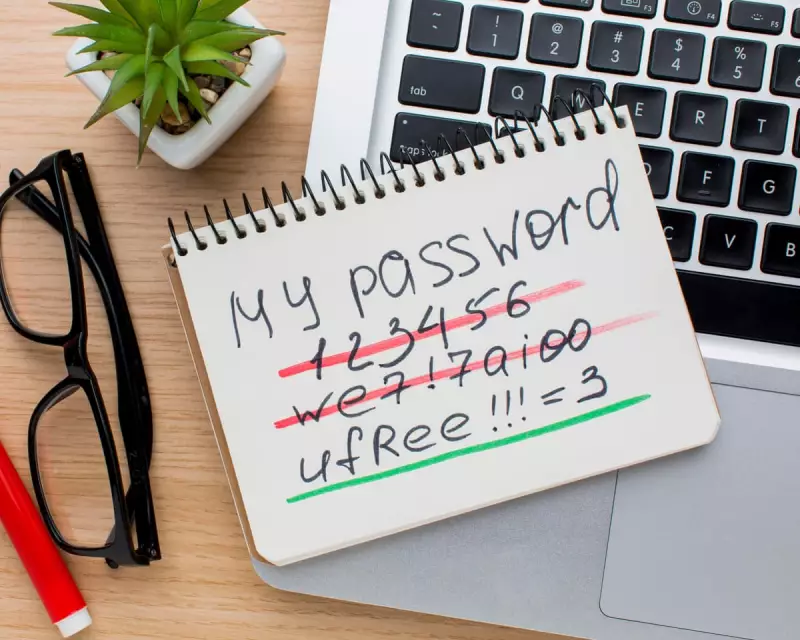
In a finding that will alarm cybersecurity professionals across the nation, a new report has revealed that the UK's most commonly used password is the dangerously simple 'admin'. The revelation comes at a time when online scams are soaring, highlighting a critical gap in public awareness of digital safety.
A Hacker's Dream: Simple Passwords Dominate
The annual review by the tech company NordPass, which analyses the top 200 most common passwords, makes for grim reading. Following 'admin', the second most popular choice in the UK is the numeric sequence '123456', offering virtually no defence against cyber criminals.
Despite repeated warnings from experts, easy-to-guess words and number combinations continue to dominate. The UK's top 20 list is filled with predictable choices. Variations of the word 'password' itself occupy five spots, while simple numeric strings like '12345678' and '123456789' claim another five positions. This pattern creates an open invitation for hackers.
Karolis Arbaciauskas of NordPass stated, "Despite all efforts in cybersecurity education and digital awareness over the years, data reveals only minor improvements in password hygiene." He emphasised the scale of the risk, noting that around 80% of data breaches stem from weak, compromised, or reused passwords.
Why Weak Passwords Are a Catastrophic Risk
The core problem with these simplistic passwords is how quickly they can be defeated. Hackers frequently use a technique called a 'dictionary attack', which systematically tries common words, numbers, and their simple variations. Many of the passwords topping the UK list can be cracked in seconds using this method.
Compounding the issue is the widespread habit of password reuse. Recent research from Virgin Media O2 suggests four out of five people use the same or very similar passwords across multiple online accounts. This means if one account is breached, a criminal potentially gains access to a user's entire digital life, from email to banking.
"Users cite having too many accounts to create, and remember, unique passwords for all of them," explains Arbaciauskas. "That is terrible. People who use weak passwords, or reuse them, risk their digital lives and their identities." The problem is global, with 'admin' also being the top password in Australia, the US, and Germany, while '123456' takes the number one spot worldwide.
How to Protect Yourself Immediately
Cybersecurity experts urge the public to take immediate steps to bolster their online defences. The following actions are critical:
Create Long, Strong Passwords: Use a combination of three random words (e.g., coffeetrainfish) or mix letters (both upper and lower case), numbers, and special characters.
Never Reuse Passwords: Every important account—especially email, banking, work, and mobile—must have a unique password. This contains the damage if one service is compromised.
Use a Password Manager: Tools like Apple's iCloud Keychain, Google Password Manager, or dedicated apps like NordPass can generate and store complex, unique passwords for all your accounts, removing the memory burden.
Enable Two-Factor Authentication (2FA): Always turn on 2FA where available. This adds a vital second step to logging in, such as entering a code sent to your phone, providing a powerful extra layer of security.
The message from experts is clear: the time for complacency is over. With scams on the rise, changing weak passwords like 'admin' and '123456' today is an essential first step in safeguarding your personal and financial information from increasingly determined cyber criminals.




