
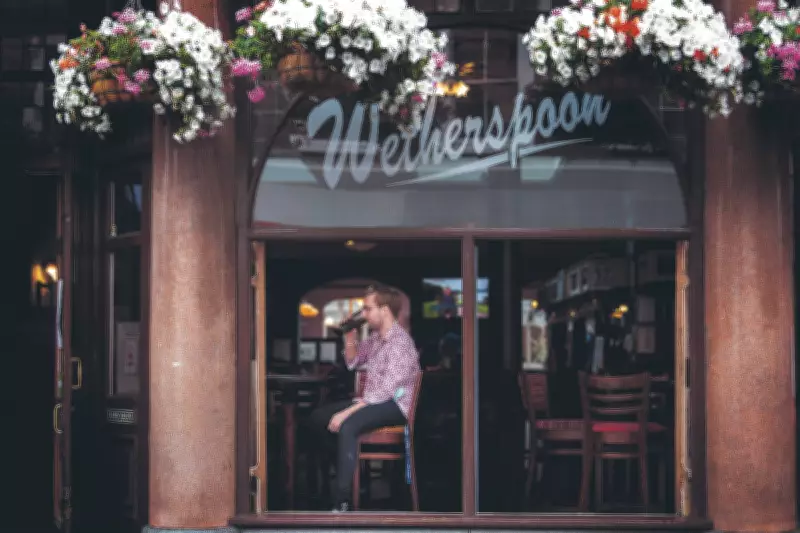
Wetherspoon Braces for Flat Sales as Cost Pressures Intensify
JD Wetherspoon, the UK's renowned pub chain, is facing a challenging financial outlook as escalating costs and geopolitical tensions threaten to flatten sales growth. The company, led by outspoken chairman Tim Martin, is set to announce its half-year finances this Friday, with investors bracing for a bitter taste following a profit warning issued in January.
Profit Forecast Revised Downward Amid Rising Expenses
Despite outperforming expectations in the first quarter of the 2025 financial year, with bar sales growing by 6.9%, food sales by 1.3%, and fruit machine sales by 9.1%, Wetherspoon has revised down its profit forecast for the first half. This adjustment comes as Martin highlighted £45 million in increased costs stemming from energy bills, wages, repairs, and business rates.
Analysts now project operating profit for this period to reach £60 million, marking an eight percent decline compared to the same time last year. This unexpected financial hit has adversely affected the FTSE 250 firm's share price, which initially fell by eight percent and has since continued to decline, reflecting broader concerns in the hospitality sector.
Energy Costs and Iran War Loom Large
Tim Martin has been vocal about the potential impact of rising energy costs, warning that they could lead to increased prices for food and drinks at Wetherspoon pubs. In a recent statement to The Telegraph, he emphasized, "Rising energy costs are bad news for pubs. As well as direct increases for gas and electricity, they make customers poorer and also push up the costs for suppliers."
This concern persists even though Wetherspoon has secured fixed energy prices until 2029, a longer-term arrangement than many competitors, as noted by Peel Hunt. The ongoing war in Iran has exacerbated the situation, with oil prices surging from an average of $73 per barrel to over $100 due to blockages in the Strait of Hormuz, a critical shipping channel.
Broader Economic and Tax Pressures
The cost pressures facing Wetherspoon are compounded by recent tax hikes and regulatory changes. Business rate reforms, intended to reduce costs for retail and hospitality firms, have instead increased bills for thousands of pubs, sparking controversy that was partially alleviated by Chancellor Rachel Reeves' £300 million emergency package for landlords.
Additionally, employment costs are rising as minimum wage increases and Labour's workers' rights reforms pose challenges to the flexible labor model often relied upon by pub landlords. Analysts caution that the conflict in the Middle East could have indirect effects, such as rising inflation in the UK, which may reduce consumers' disposable income and willingness to spend at pubs.
Market Sentiment and Future Outlook
Derren Nathan, head of equity analysis at Hargreaves Lansdown, anticipates a cautious tone in Wetherspoon's upcoming update, stating, "Rising fuel and energy prices in the wake of the war with Iran could cause a further squeeze on the group's margins and its customers' spending power, so some caution is to be expected."
Richard Hunter, head of markets at Interactive Investor, added, "The group will be mindful that prospects for the UK economy are currently tepid at best, which could yet result in the consumer choosing to stay at home rather than venture out as the more challenging financial times bite."
As of Wednesday, Wetherspoon's share price stood at 650p, reflecting a 13 percent decline year-to-date but a seven percent increase from the same period last year, when it hit a low of 540p. The pub chain now navigates a precarious landscape where cost pressures and economic uncertainty threaten to dampen its recent sales momentum.




