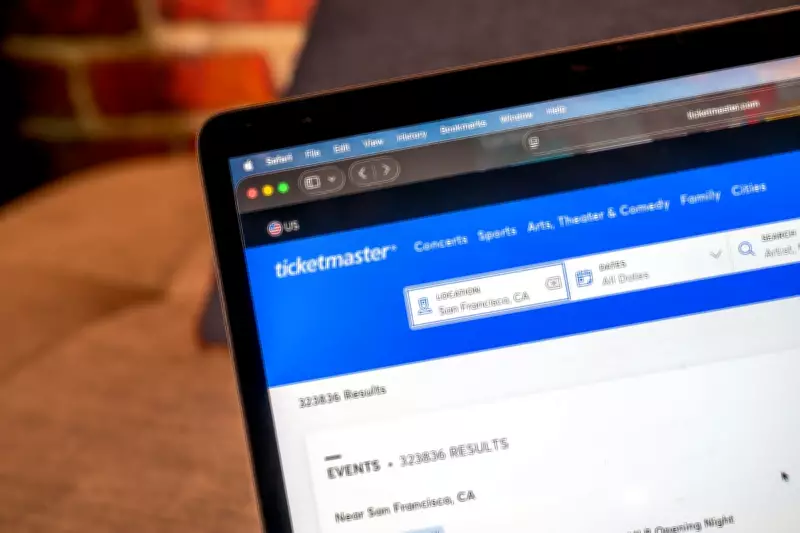
Ticketmaster Quietly Increased Fees Following US Crackdown on Hidden Charges
Following a wave of regulations targeting surprise fees at checkout, Ticketmaster eliminated its order processing fee to comply with new rules. However, documents obtained by the Guardian reveal that the company raised other fees at numerous venues to offset the revenue loss, sparking concerns about potential violations of Federal Trade Commission regulations on fee misrepresentation.
Fee Adjustments to Compensate for Lost Revenue
In an email to the Findlay Toyota Center in Arizona last year, Ticketmaster stated, "To account for the loss of order processing revenue, we must adjust fees to offset the revenue loss." The venue removed a $6 order processing fee but increased the service fee per ticket by $2 instead. This email was part of Ticketmaster's contract with the venue, obtained through a public records request. The Guardian reviewed agreements for 26 publicly owned venues across the United States, including major stadiums like the Rose Bowl in Pasadena and the Alamodome in San Antonio.
Nearly all contracts initially included an order processing fee that is no longer permitted under new regulations. At least eight venues amended their contracts to raise other fees after the implementation of all-in pricing rules, according to contracts and emails.
Potential Violations of FTC Rules
Former regulators have warned that rolling an illegal fee into another charge could violate the FTC's rule against misrepresenting fees, which took effect in May 2025. John Newman, a former economist at the FTC and a law professor at the University of Memphis, reviewed the memos and called them "potentially concerning." He explained, "Ticketmaster may effectively still be charging the fee, just disguising it as something else. That type of behavior can run afoul of the FTC rule."
Ticketmaster did not respond to detailed questions about how it adapted to state and federal pricing regulations or how many venues raised fees in response. In a statement, the company said, "Since May 2025, tickets on Ticketmaster.com have displayed the full price upfront in line with the FTC’s all-in pricing rule. We also provide explanations of fees during the purchase process and maintain a dedicated page with additional information."
Broader Context of Antitrust and Regulatory Actions
Live Nation Entertainment, which includes both Live Nation and Ticketmaster, is currently facing an antitrust trial over allegations of operating an illegal monopoly in the live music industry. The case focuses on whether the company uses long-term, exclusive contracts with venues to stifle competition. The Department of Justice reached a settlement with the company shortly after the trial began in early March, drawing criticism from lawmakers who labeled the deal as "weak." A coalition of over 30 states has chosen to continue the litigation, while Live Nation Entertainment denies monopoly allegations.
The Biden administration initiated a crackdown on "junk fees" in October 2022, targeting excessive charges such as hotel resort fees, credit card late fees, and ticket service fees. This initiative became a key part of Biden's appeal to working-class voters. In response, Live Nation Entertainment executives, including CFO Joe Berchtold, argued that Ticketmaster was unfairly included in the junk fees conversation, noting that most fees go to venues. The company publicly supported legislation for all-in pricing, claiming it would not materially impact their business.
Contractual Protections and Market Dominance
Documents show that in at least 18 venue agreements, Ticketmaster reserved the right to renegotiate fees to ensure "reasonable compensation" if certain charges were banned. This allowed the company to recover lost revenue even if regulators eliminated specific fees. Ticketmaster is a volume-driven business, earning fees on 346 million tickets globally last year and generating approximately $3 billion in revenue, highlighting the significance of small fee adjustments.
In June 2023, Live Nation Entertainment participated in a White House roundtable and agreed to implement all-in pricing for tickets sold at its venues, though without committing to lower fees or prices. State laws, such as California's legislation banning hidden fees effective July 2024, prompted Ticketmaster to scrap its order processing fee. To compensate, the company increased its retained amount per ticket by about 25% at venues like the Sacramento convention center complex.
John Kwoka, an economics professor at Northeastern University, commented on the limits of transparency laws in regulating dominant players like Ticketmaster, which holds exclusive ticketing contracts for around 80% of U.S. venues. He stated, "Since we remain largely hostage to Ticketmaster, they have simply shifted which hand they have in our pockets."
Federal Rule Implementation and Ongoing Scrutiny
Other states, including Colorado, Virginia, and Minnesota, followed California's lead, and the FTC proposed a national all-in pricing rule. Live Nation Entertainment publicly supported the regulation when it was issued in late 2024. By the time the federal rule took effect in May 2025, Ticketmaster had quietly raised fees at venues in Arizona, Florida, Missouri, and Georgia, among others. For example, the Wintrust Arena in Chicago increased ticket fees by 2.3%, and Florida State University raised fees by 3%.
The federal rule includes stricter provisions against fee misrepresentation and requires disclosure of fee purposes. Serena Viswanathan, a former FTC attorney involved in crafting the rule, emphasized, "It really shows that all of these fees are kind of made up." The FTC has the authority to determine compliance and filed a suit against Ticketmaster and Live Nation Entertainment in September 2025, alleging deception by hiding mandatory fees. The company disputes these allegations, citing its compliance with all-in pricing regulations.
A spokesperson for the FTC declined to comment on individual company practices, underscoring the ongoing regulatory scrutiny in this area.