Fuel Panic Buying in Australia: A Misguided Blame Game Hides Systemic Failures
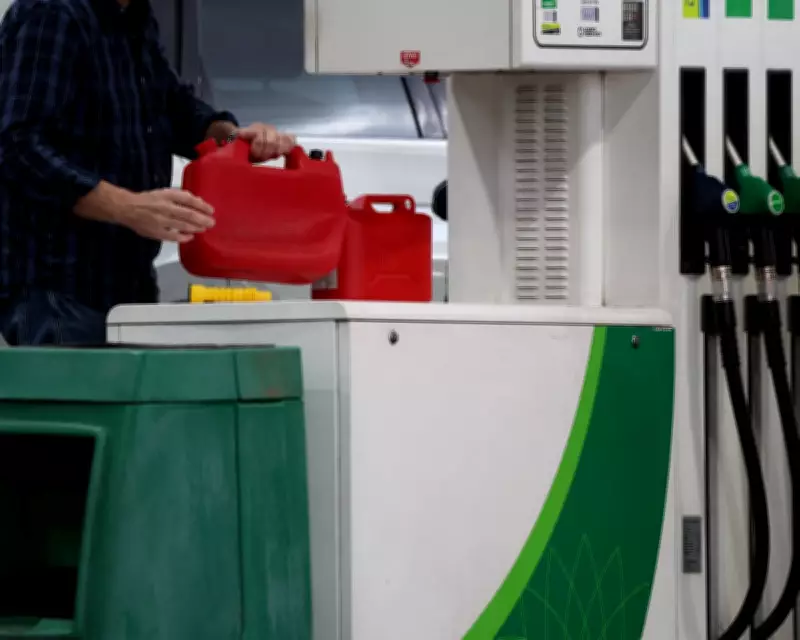
As service stations across Australia run dry amid fears of oil shortages due to conflicts in the Middle East, politicians have been quick to label stockpiling behavior as "un-Australian." However, pointing fingers at so-called "panic buyers" only fuels demand and obscures the real culprits behind the crisis. This scenario mirrors the mishandled Covid-19 toilet paper shortage, where similar blame games diverted attention from systemic issues.
Lessons from the Toilet Paper Crisis
During the Covid lockdowns, toilet paper shortages sparked anxiety and memes, with media and politicians berating "panic buyers" for irrational and antisocial behavior. Our analysis reveals that this coverage often dehumanized shoppers, describing them in animalistic terms like "herds" or "hordes," which distorted the problem. In reality, adaptive purchasing behavior—a term preferred by researchers—is a common human response to uncertainty, seen historically in events like World War II fabric stockpiling or Brexit fuel hoarding.
Who Gets Blamed and Why It Matters
Not all "panic" is treated equally. During Covid, media narratives disproportionately targeted lower-income shoppers, while wealthier Australians stockpiled discreetly through online brands like Who Gives a Crap, escaping criticism. Migrant communities also faced scapegoating, with rumors of bulk buying for overseas sales. This "un-Australian" rhetoric, echoed recently by Energy Minister Chris Bowen, risks stigmatizing vulnerable groups and ignoring broader inequities.
The Real Villains: Systemic Failures and Corporate Profiteering
Crisis narratives often create misleading roles: vilifying in-store shoppers while positioning supermarket giants as "heroes" or "victims." This framing deflects from corporate monopolies and profiteering. In the fuel crisis, scrutiny should focus on:
- Government failures in reducing oil refineries and planning for shocks.
- Equity issues, as regional and remote areas reliant on independent suppliers bear the brunt of shortages.
- Rising cost of living, which drives those on the edge to buy extra petrol preemptively.
Amplifying Anxiety Through Media Coverage
Saturated media and social media coverage of "panic buying" can create a feedback loop, exacerbating demand. During Covid, constant focus on empty shelves increased community anxiety and rush buying. Similarly, relentless reporting on fuel panic risks fueling rather than calming consumer behavior, highlighting the role of commentators in shaping crisis responses.
Framing fuel stockpiling as "panic buying" scapegoats individuals, amplifies fear, and distracts from critical issues like Australia's inadequate fuel security planning. By learning from past mistakes, we must shift focus to systemic solutions rather than moralizing individual actions.