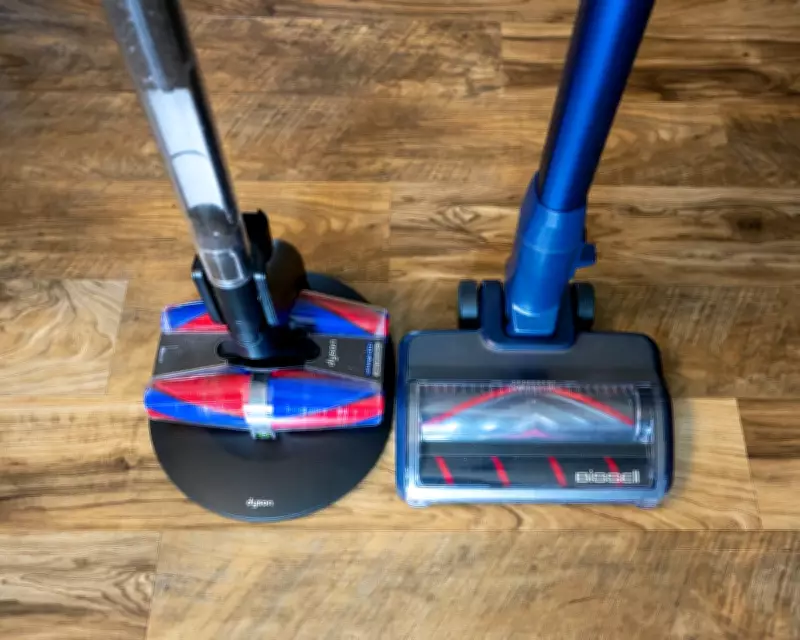
The Cordless Vacuum Revolution: Dyson and Bissell Lead the Charge in 2026
In the dynamic world of home cleaning technology, the year 2026 has emerged as a pivotal moment for cordless vacuums, with industry giants Dyson and Bissell engaging in a high-stakes competition. This rivalry is not merely about market share; it represents a broader shift towards more efficient, user-friendly, and technologically advanced cleaning solutions that are reshaping how households maintain cleanliness.
Dyson's Innovations: Pushing the Boundaries of Performance
Dyson, a long-standing leader in the vacuum cleaner sector, continues to set the pace with its latest cordless models. The company has focused heavily on enhancing battery life, with some 2026 releases boasting up to 90 minutes of runtime on a single charge, a significant improvement over previous generations. This extended battery performance is coupled with advanced suction technology that ensures deep cleaning across various surfaces, from carpets to hard floors.
Moreover, Dyson has integrated smart features into its vacuums, such as real-time dust detection sensors and connectivity to mobile apps for monitoring usage patterns. These innovations aim to provide a seamless cleaning experience, reducing the manual effort required by users. The design philosophy remains centered on lightweight, ergonomic handles and versatile attachments, making it easier to tackle hard-to-reach areas like ceilings and under furniture.
Bissell's Response: Affordable and Accessible Technology
Bissell, a key competitor, has responded to Dyson's advancements by emphasizing affordability and accessibility in its 2026 cordless vacuum lineup. While matching Dyson in core areas like suction power and battery efficiency, Bissell's models often come at a lower price point, targeting budget-conscious consumers without compromising on quality. This strategy has allowed Bissell to capture a significant segment of the market, particularly among first-time buyers and those upgrading from older, bulkier vacuums.
Bissell's innovations include multi-surface cleaning capabilities and easy-to-empty dust bins, which reduce maintenance hassles. The company has also invested in eco-friendly features, such as washable filters and recyclable components, appealing to environmentally aware shoppers. By focusing on practical, everyday usability, Bissell positions itself as a reliable alternative to premium brands, driving competition that benefits consumers through more choices and better value.
Market Impact and Consumer Trends
The competition between Dyson and Bissell is fueling rapid advancements in cordless vacuum technology, with both companies pushing each other to innovate. In 2026, consumers are witnessing a surge in features like:
- Longer Battery Life: Models now offer extended runtimes, reducing the need for frequent recharging.
- Enhanced Suction: Improved motors and airflow designs provide deeper cleaning on various surfaces.
- Smart Integration: Connectivity with smartphones and home automation systems for personalized cleaning schedules.
- Ergonomic Designs: Lightweight builds and adjustable handles for comfortable use over extended periods.
This technological arms race is not only improving product performance but also making cordless vacuums more mainstream. As prices become more competitive and features more sophisticated, households are increasingly adopting these devices as primary cleaning tools, replacing traditional corded models. The trend reflects a growing demand for convenience and efficiency in home maintenance, driven by busy lifestyles and a focus on hygiene.
Future Outlook: What Lies Ahead for Cordless Vacuums
Looking beyond 2026, the cordless vacuum market is poised for further growth, with Dyson and Bissell likely to continue their rivalry. Experts predict that future innovations may include:
- AI-Powered Cleaning: Vacuums that learn household layouts and optimize cleaning paths autonomously.
- Sustainability Focus: Increased use of recycled materials and energy-efficient components to reduce environmental impact.
- Integration with Smart Homes: Seamless connectivity with other IoT devices for automated cleaning routines.
As these developments unfold, consumers can expect even more powerful and intuitive cleaning solutions. The competition between Dyson and Bissell serves as a catalyst for progress, ensuring that the cordless vacuum industry remains at the forefront of home technology innovation. Whether prioritizing cutting-edge features or budget-friendly options, buyers in 2026 have unprecedented access to high-quality cleaning tools that make household chores easier and more effective.