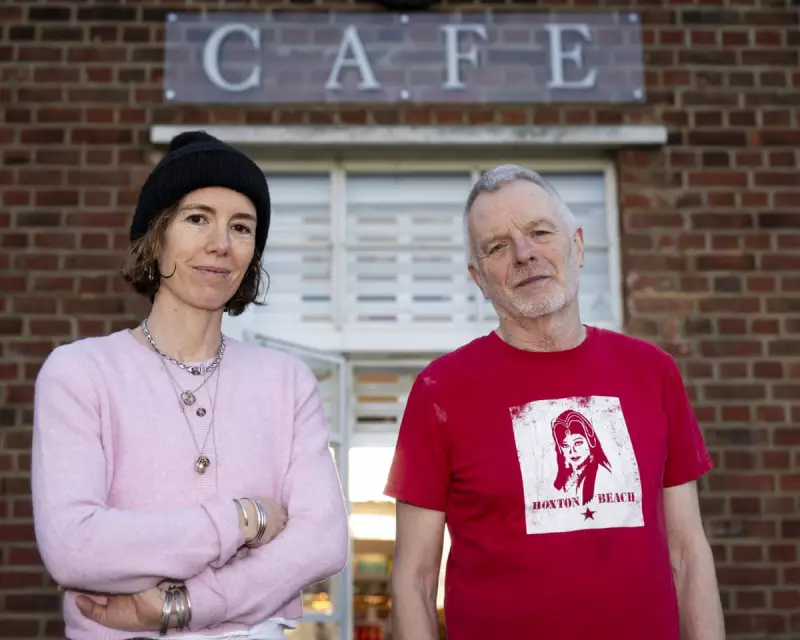
The future of a cherished, no-frills cafe on Hampstead Heath hangs in the balance, as a family-run business faces eviction to make way for a global chain. The Parliament Hill Lido cafe, operated by the D'Auria family for over four decades, is one of four north London cafes due to be taken over by the Australian-inspired chain Daisy Green.
A Community Hub Under Threat
The planned takeover by Daisy Green has triggered dismay and protests within the local community. The landowner, the City of London Corporation, is implementing a new funding model for green spaces that prioritises income generation. This has led to the decision not to renew the leases of several long-standing, independent operators.
High-profile locals, including actors James McAvoy and Benedict Cumberbatch, have added their voices to the opposition, signing a petition against the move. The threatened businesses include the Parliament Hill Lido cafe, the family-run Hoxton Beach in Queen’s Park, and a cafe in Highgate Wood.
More Than Just a Cup of Coffee
For regulars, the Parliament Hill cafe represents far more than a place to eat. It is a vital, inclusive community space that serves an incredibly diverse cross-section of Londoners. On any given day, you might find families with young children, octogenarians sharing a bottle of wine, and workers on a break, all sharing the same unpretentious room.
"It isn't designed to look good on social media," writes Guardian columnist Rhiannon Lucy Cosslett, a patron. Unlike the trendy, Instagram-ready aesthetic of chains like Daisy Green, this cafe is a 1960s-style bunker with a cork noticeboard, a ramp for accessibility, and a homely menu featuring pasties, jacket potatoes, and pasta.
The Human Cost of 'Income Generation'
The cafe's staff were reportedly told just a week before Christmas that they had to vacate by the end of January. For many in an area of significant income disparity, the cafe provides affordable, welcoming refuge. Its loss is seen not merely as gentrification but as social atomisation, eroding the mixed, inclusive spaces that combat loneliness.
The debate highlights a growing tension across the UK: the corporate homogenisation of high streets versus the survival of unique, locally rooted businesses that foster genuine human connection. As Cosslett argues, what these cafes offer—friendliness, inclusivity, and a simple, nice chat—is worth more to the community than social media kudos or avocado toast.
Campaigners are urging the City of London Corporation to urgently rethink its strategy before another community loses a piece of its heart in the pursuit of profit.