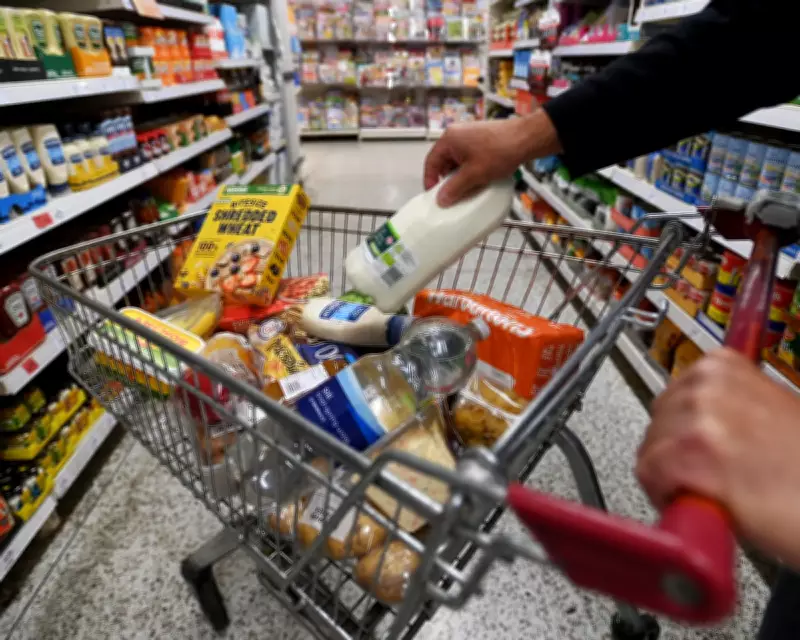
Campaigners are urging UK supermarkets to consider implementing voluntary price caps on essential food items to alleviate financial pressure on households struggling with the rising cost of living. The call comes as inflation continues to erode purchasing power, with many families finding it increasingly difficult to afford basic necessities.
Growing Pressure on Supermarkets
Consumer groups and anti-poverty charities have been lobbying major retailers to take proactive measures. They argue that voluntary price caps on staple goods such as bread, milk, eggs, and fresh produce could make a significant difference. Unlike mandatory price controls, which could disrupt market dynamics, voluntary caps would allow supermarkets to demonstrate social responsibility while maintaining flexibility.
Industry Response
Some supermarket chains have expressed willingness to explore the idea, though concerns remain about the feasibility of implementation. Retailers worry that price caps could squeeze already thin profit margins, especially amid rising energy and supply chain costs. However, advocates point to successful voluntary schemes in other countries, such as France's "anti-inflation quarter," where supermarkets agreed to freeze prices on hundreds of products.
The UK government has so far resisted calls for intervention, preferring to let market forces determine prices. Yet, with food inflation still stubbornly high, pressure is mounting for action. A recent survey found that over 70% of Britons support some form of price regulation on essential items.
Potential Impact
If implemented, voluntary price caps could benefit millions of low-income households. The Trussell Trust, which operates food banks, reported a surge in demand during the past year, with many families forced to choose between heating and eating. A cap on essentials could reduce the number of people needing emergency food aid.
However, critics warn that price caps might lead to unintended consequences, such as reduced availability or quality of products. Some economists argue that targeted financial support for vulnerable households would be more effective than interfering with prices.
As discussions continue, supermarkets are under scrutiny to act. The coming weeks will be crucial in determining whether voluntary measures can gain traction or if more aggressive government intervention will be necessary.