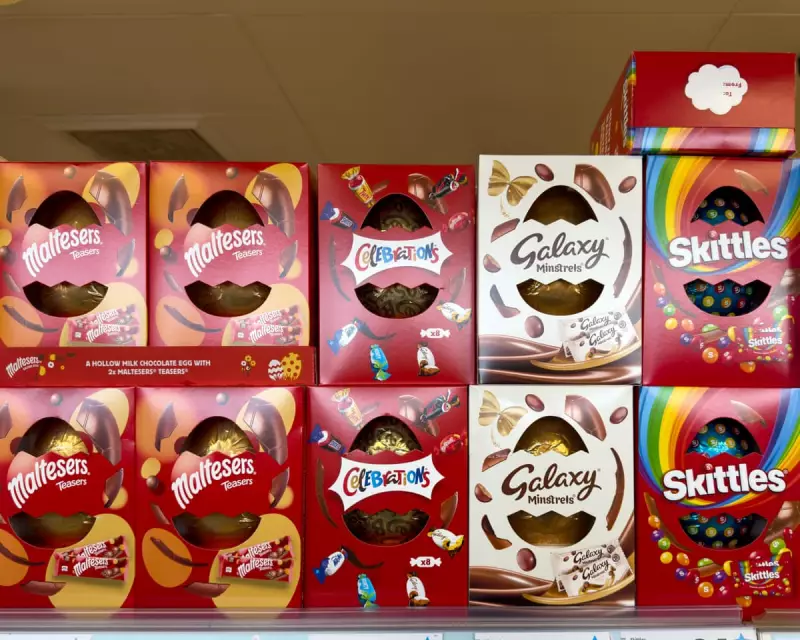
British shoppers hunting for Easter treats are encountering a bitter reality: many chocolate eggs are not only more expensive this year but have also noticeably shrunk in size. This double blow is the latest wave of 'shrinkflation', driven primarily by the skyrocketing global price of cocoa.
The Shrinking Easter Basket: Key Examples
Several major confectionery brands have reduced the weight of their festive products while increasing prices. Analysis of supermarket shelves reveals the stark changes.
The Maltesers 'XL' Easter egg has slimmed down significantly, now weighing 194g in many shops compared to 231g last year. This 37g reduction is largely due to containing one fewer mini pack of Maltesers inside. Meanwhile, the price at Tesco has risen by £1 to £7, marking a 39% increase in price per gram to 3.6p.
Cadbury's Twirl eggs have also been downsized. They now include only two individually wrapped Twirl fingers instead of two full bars, resulting in a 23g (9.5%) reduction to 218g. The price in most shops has climbed to £7 from £6, leading to a price per gram hike of over 28%.
Furthermore, the Cadbury's Mini Eggs family pack contains four fewer eggs, making it 4% smaller at 256g versus 270g a year ago. At Tesco, the price for non-loyalty card holders has jumped to £6.20 from £4.85 – a 35% increase, though shoppers can find it cheaper at Sainsbury's, Waitrose, and Asda.
Soaring Costs Behind the Shrinkage
The root cause of this shrinkflation is a perfect storm of economic pressures hitting manufacturers. The most significant factor is the historic surge in cocoa prices, following three consecutive years of poor harvests in West Africa's main growing regions, Ghana and Côte d'Ivoire.
Extreme temperatures and unusual rainfall patterns, exacerbated by the climate crisis, have devastated crops. Alongside cocoa, the costs of sugar, energy, and labour have also risen sharply, forcing companies to adapt.
Some have resorted to reducing cocoa content altogether. In a notable move last October, McVitie's altered the recipes of its Club and Penguin bars so much they are now only described as 'chocolate flavour'.
Manufacturers and Retailers Respond
A spokesperson for Mars Wrigley, which owns Maltesers, stated: "We understand the cost pressures that shoppers continue to face and always aim to absorb rising costs wherever possible." They explained that ongoing pressures, driven partly by cocoa costs, necessitated "carefully considered changes" to product size to maintain quality and taste.
Cadbury's owner, Mondelēz International, echoed this sentiment, citing "significantly higher input costs across our supply chain." A spokesperson said changes to product sizes were "a last resort," but the company faced considerable challenges from expensive ingredients like cocoa and dairy, as well as high energy and transport costs.
While some products have shrunk, others have maintained size but seen steep price hikes. The popular 200g Lindt gold bunny is now £8.50 at most retailers, a £3 jump from its £5.50 price at Tesco a year ago.
As Easter approaches, UK consumers are left to navigate a confectionery landscape where their favourite treats offer less chocolate for more money, a direct consequence of global commodity shocks and sustained inflationary pressures.