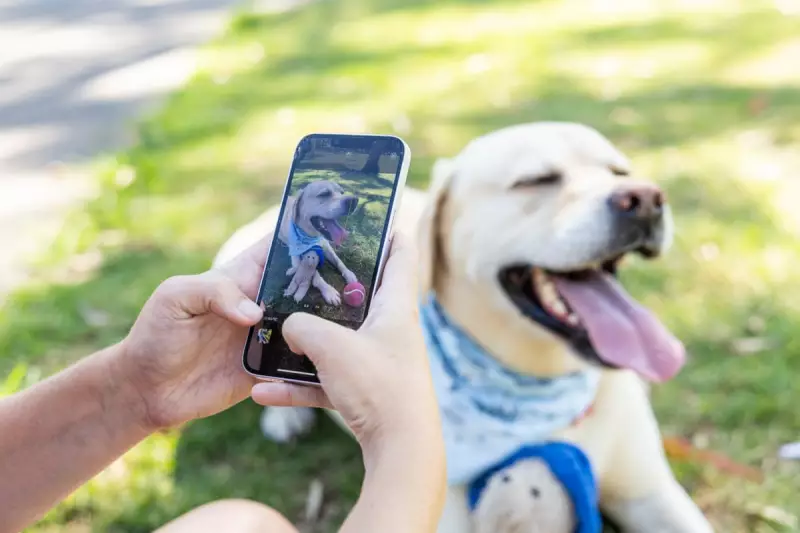
In an era where a chihuahua named Eddie can amass thousands of Instagram followers and secure brand deals, the allure of turning a beloved pet into a social media star is undeniable. Journalist Caitlin Cassidy decided to put this modern dream to the test with her own labrador, Murphy, embarking on a mission to make him go viral. What began as a light-hearted experiment quickly became a revealing lesson in the mechanics—and moral quandaries—of online fame.
The Allure and the Algorithm
Cassidy's inspiration came from observing successful Australian pet influencers like Eddie, a chihuahua with nearly 50,000 Instagram likes, his own discounts, and an Amazon store. The market for pet influencers is a lucrative one, tapping into a global audience's affection for animal content. Armed with this knowledge, Cassidy created dedicated Instagram and TikTok accounts for Murphy, vowing to avoid paid promotions and grow his following organically.
Initial research into established accounts highlighted key trends: outfits, an appearance of wealth, and demonstrable skills or talents. Murphy, however, was a labrador of simpler pleasures. Without a film-set home or circus-worthy tricks, Cassidy decided to focus on his mischievous charm. She launched the account @murphythegoldenlabdog and posted seven times in quick succession, using a barrage of hashtags. The results were humbling: engagement came almost exclusively from friends, family, and sympathetic colleagues.

The Pay-to-Play Reality of Pet Fame
Venturing into TikTok proved equally challenging. Despite crafting clips set to popular music, like Taylor Swift, views plateaued in the low thousands. The breakthrough—or rather, the revelation—came via comments on Murphy's Instagram. Large pet feature accounts with hundreds of thousands of followers would request photos, only to offer paid promotion packages ranging from $20 to $500 for follower growth. When Cassidy declined to pay, the conversations ended abruptly.
This exposed a core truth of the influencer ecosystem: a significant secondary economy profits from the aspirations of pet owners. Sue Waters, the owner-manager of Eddie the chihuahua, offered candid advice. She warned against paying for promotions and emphasised that genuine growth requires immense effort—up to 10 hours a week of posting, interacting, and commenting. "It helps to have something a little bit more than just a cute dog," Waters noted, highlighting the crafted personality behind Eddie's success.
A Moment of Clarity Amid the Chaos
As desperation mounted, Cassidy resorted to pre-digital tactics: printing and flyposting pictures of Murphy around Sydney with a plea for followers. The absurdity of the act sparked a moment of clarity. The pursuit of virality was overshadowing the simple joy of having a dog.
This sentiment crystallised at a friend's birthday party. When Murphy famously fell into a septic tank, friends urged Cassidy to film the disaster for content. Instead, a wave of fatigue hit. "Couldn't we just enjoy this moment in its pure form?" she wondered. Choosing connection over content, she walked her filthy dog to a creek for a wash, sharing a quiet, unrecorded moment. The experiment was over.
The quest to make Murphy famous yielded more than just modest follower counts. It unveiled an industry where visibility often requires financial investment or unsustainable hours of labour, and where the pressure to commodify every cute or chaotic moment can strip away genuine experience. In the end, the greatest reward wasn't a sponsorship deal, but the poignant reminder from a happy, muddy labrador that some things are better left offline.