Marks & Spencer Announces Closure of 14 In-Store Cafés Across the UK
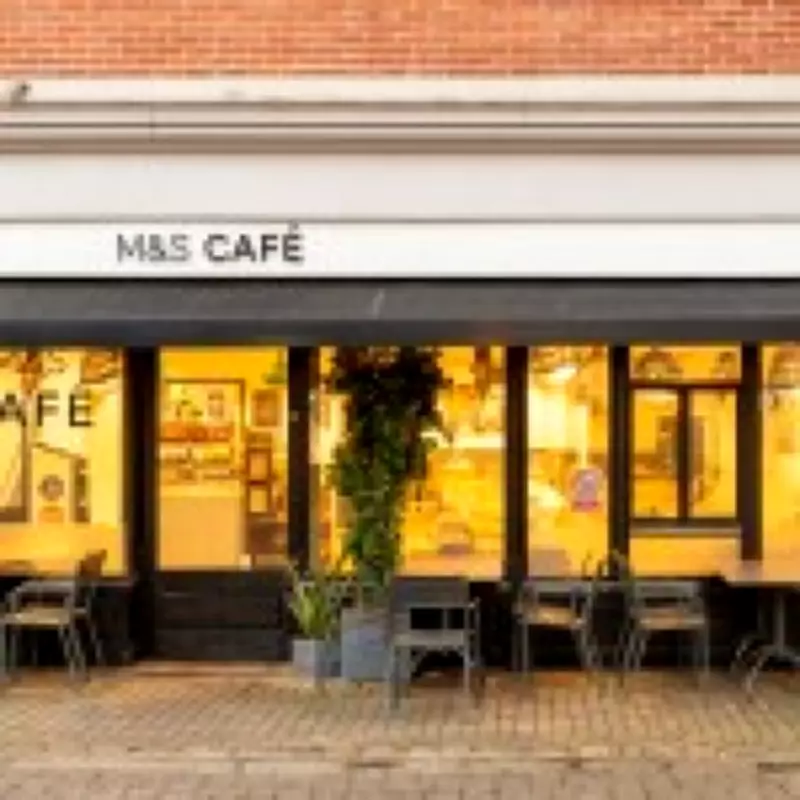
Marks & Spencer (M&S) has confirmed the closure of over a dozen in-store cafés throughout the United Kingdom. The high street retail giant is shutting down 14 cafés located within its food-hall stores as part of a strategic initiative to expand its food selection and allocate more space for additional products. This decision impacts just 4% of the retailer's 316 food locations, with no job losses reported as affected staff will be transferred to other roles within the company.
List of Affected M&S Café Locations
The 14 M&S cafés scheduled for closure include:
- Anlaby, East Riding of Yorkshire (Already closed)
- Bidston Moss
- Bishop Auckland
- Canterbury, Kent
- Congleton, Cheshire
- Crawley, West Sussex
- Dunblane, Stirling, Scotland
- Hull, East Riding of Yorkshire
- Martlesham Heath, Ipswich
- Sittingbourne Retail Park
- South Aylesford, Kent
- Stone, Staffordshire
- Strood Retail Park, Kent
- Whitstable, Kent
These closures follow the recent announcement of the M&S Swansea branch shutting down due to underperformance, with an expected closure date later this year.
Strategic Shift and Investment Plans
M&S revealed that the shuttered café spaces will be repurposed to offer more fresh produce and meal options. This move is part of a broader £300 million investment aimed at increasing the number of M&S food halls to 420 by the end of 2028. A company spokesperson stated, 'As we look to modernise our food business and offer the best of M&S Food to more people, more often, we're investing in our store estate to give our customers the widest possible product range.' The retailer continues to open new coffee shops, such as the recently launched location at Bristol Cabot Circus, which features barista-made fairtrade coffee and delicious food offerings.
Broader Retail Trends and Industry Insights
The closure of these cafés reflects evolving consumer preferences and broader shifts in the retail landscape. Emily Keogh, founder of PR agency Palm, noted that shoppers increasingly seek 'experiences' over functional pit stops. 'The traditional in-store café was functional – a place to pause during a shop – but as so much retail has moved online, people are browsing less in-store,' she explained. 'This means every choice they make about hospitality brands when shopping is now less functional and far more considered.'
Paul McHugh, head of sales EMEA at telecommunications firm Ericsson, highlighted that many retailers are moving away from cafés toward technological experiences like augmented reality, which allows customers to virtually try on clothing. However, he cautioned that connectivity issues often hinder the effective deployment of such solutions.
Recent Challenges and High Street Closures
M&S faced a significant cyber attack last year, resulting in the compromise of some customer data and the suspension of online orders, Click & Collect services, and food deliveries for nearly two months. The incident is estimated to cost the retailer approximately £300 million, though insurance is expected to cover part of the fallout.
The UK high street has experienced a wave of closures recently, including GAME shuttering its remaining standalone shops, Revolution Bars closing 21 venues after going bust, and Poundland and River Island continuing shop closures throughout February 2026.
This strategic realignment by M&S underscores the ongoing transformation of physical retail spaces in response to changing consumer behaviors and technological advancements.