The Humble Matchbox Gets a £235 Luxury Makeover
Goodbye Swan Vesta, hello Cartier. The once-functional matchbox is undergoing a dramatic luxury transformation, emerging as a coveted home accessory with price tags that are truly striking. At the upmarket department store chain Selfridges, sales of posh matchboxes have skyrocketed by an astonishing 121% year-on-year, prompting the retailer to declare them "the must-have home accessory for 2026." To meet soaring demand, Selfridges has more than doubled its range, now offering over 100 styles with prices ranging from a modest £5 to an eye-watering £235.
From Advertising Art to Opulent Objects
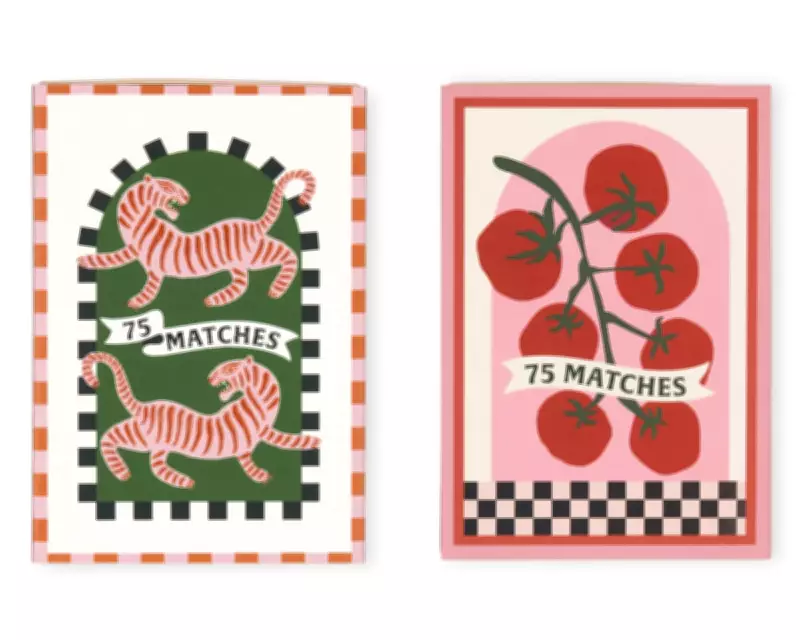
The matchbox first took off in the late 1800s when manufacturers realized every box could serve as a miniature advertisement, unexpectedly evolving into a vibrant art form. Colorful labels featured everything from political messages to product marketing, while more opulent versions began appearing in materials like silver, gold, and ceramics. However, following smoking bans, matchboxes largely fell out of favor—until now. Today, they are re-emerging as objects of desire, taking pride of place in people's homes and on the tables of London's most stylish bars and restaurants.
At the most expensive end of Selfridges' range is a set of three paper and card tubes from Cartier, decorated with panthers and containing 80 matches each, retailing for £235. Meanwhile, designer Jo Laing has seen sales of her ceramic-topped matchboxes rise by 60% year-on-year, with her reusable limited edition boxes now stocked in Harrods and retailing for £70. "They sell out so quickly we struggle to keep them in stock," Laing noted.
The 'Lipstick Effect' in Homeware
While some designer matchboxes seem aimed at those with money to burn, experts argue the trend actually reflects tightening budgets. Shoppers are turning to these small luxuries as a way to spark joy without breaking the bank. Bia Bezamat, cultural insights director at Kantar, explained: "There's a sustained trend for 'little treats' ... It's a response to cost of living pressures: people want small, affordable pockets of joy to brighten their day."
Claire Dickinson, senior strategist at consumer trend forecaster WGSN Interiors, described matchboxes as "the homeware equivalent of the lipstick effect"—a theory that during economic downturns, consumers swap expensive luxuries like designer bags for smaller, more affordable indulgences. She added that they reflect the rise of "beautilities": practical objects designed to be both seen and enjoyed.
Henrietta Klug, head of home at Selfridges, observed that the once-functional object is now "re-emerging as an object of desire," capturing the imagination of consumers seeking elegance in everyday items. From Paddywax matches at £5 a box to Cartier sets at £235, the matchbox market is striking a chord with those looking for accessible luxury in challenging times.