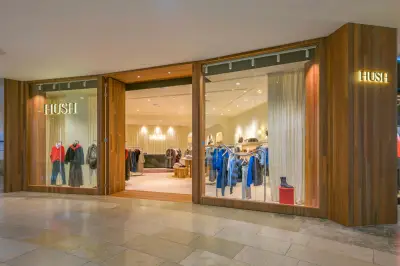
The future of Britain's high streets has sparked a fierce debate, following a recent Guardian article by John Harris which warned they had reached a 'tipping point'. In response, readers from across the country have written in with contrasting views on the causes of the decline and the potential solutions, highlighting a national conversation about community, commerce and consumer habit.
The Consumer Choice Argument: Convenience vs. Community
One perspective, put forward by readers like Trevor Hopper from Lewes, places the responsibility squarely on shopping habits. The decline of small businesses is largely the result of consumer choice, he argues. Supermarkets and online retailers offer cheaper prices and greater convenience, allowing people to 'do it all in one go'. This shift, he suggests, is preferred by the majority regardless of income.
Echoing this sentiment, John Boaler from Calne emphasises the direct impact of online spending. 'Every penny we spend online is a penny less spent in a shop,' he states. He believes that long-term survival for local shops depends not on government grants or tax breaks, but on a conscious decision by residents to use them more frequently. 'If we increasingly shop online, we have only ourselves to blame,' he concludes.
Grassroots Revival: Success Stories from Melton Mowbray and Brixton
Against this backdrop of pessimism, other correspondents point to powerful examples of local regeneration. Peter Smith describes how a nearly derelict shopping arcade in Melton Mowbray, Leicestershire, was transformed four years ago. A local art group began placing paintings in empty windows, which brightened the area and attracted new businesses. Now, nearly all the shops are occupied, with regular art exhibitions and support from the local Business Improvement District creating a welcoming space.
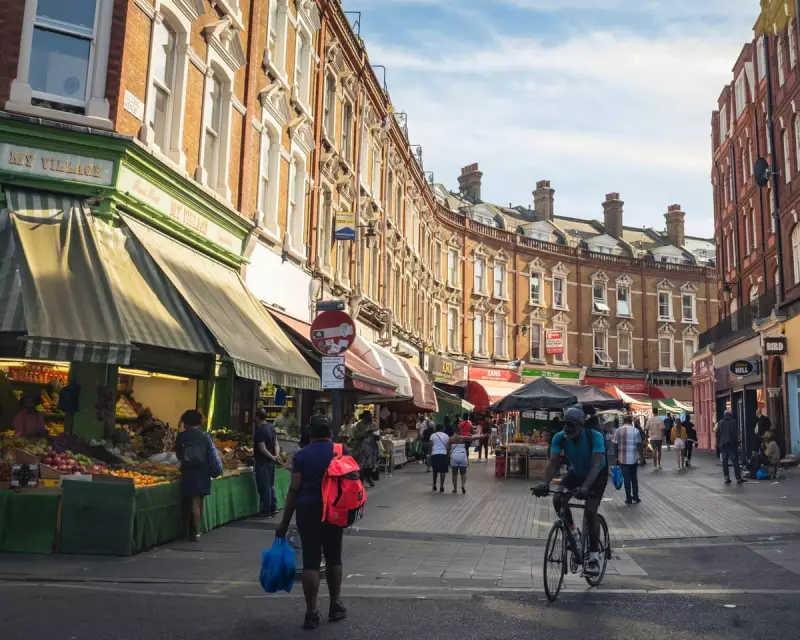
Perhaps the most vibrant example comes from south London. Robin Stott urges John Harris to 'take heart from Brixton'. While the noisy A23 is lined with betting shops and takeaways, the streets around Electric Avenue host a thriving, traffic-free market. This hub is described as busy, bustling and friendly, featuring street food, street art, coffee shops and long-standing local businesses. Stott notes that such markets, serving as daily shopping and social spaces, are surviving and even undergoing makeovers in places like Shrewsbury.
A Complex Future: Nostalgia, Policy and Lively Debate
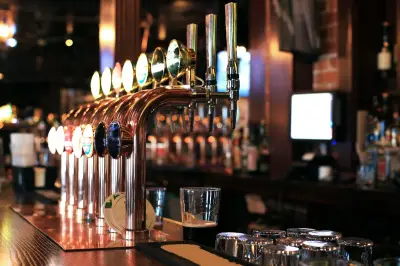
The letters also touch on wider cultural shifts. Trevor Hopper cautions against nostalgia for lost pubs, pointing to changing entertainment preferences, especially among the young. He also views the proliferation of coffee bars as a welcome development, contrasting with concerns about other types of shops.
While the solutions proposed vary—from personal spending choices to council-led initiatives promoting housing and culture in town centres—the consensus is that the high street's fate is being actively decided. The correspondence reveals a tension between the undeniable pull of digital convenience and the profound community value of physical, local spaces. As these readers demonstrate, the path to revival may be less about a single national policy and more about a mosaic of local actions and individual decisions.