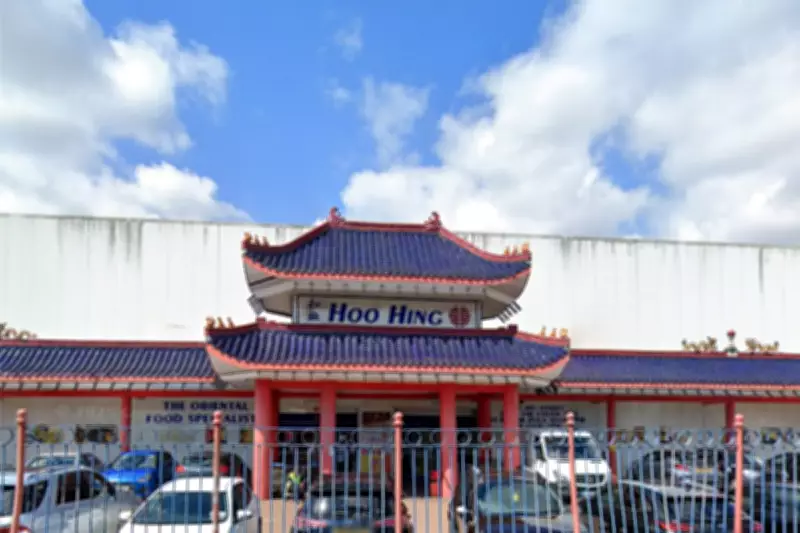
London's largest Chinese supermarket group, Hoo Hing, has defied economic headwinds to return to profitability, posting a small pre-tax profit of £167,559 for the 12 months ending June 2025. This marks a significant reversal from the previous year's pre-tax loss of £307,580, showcasing resilience in a challenging market environment.
Financial Turnaround Amid Sterling Weakness
Despite a 1.1 per cent drop in revenue to £71.6 million, Hoo Hing managed to maintain its margins. The company attributed this achievement to navigating the continuing impact of a weak sterling currency, which increased costs for raw materials throughout the year under review. Administrative expenses were reduced by 6.6 per cent, a key factor in pushing the business back into the black.
Additionally, the firm streamlined its workforce, cutting approximately 20 staff to bring the total to 185 employees. Bank interest more than doubled to £183,574, further bolstering the company's financial margins and contributing to the overall profit.
Company Background and Operations
Founded in the 1970s by 84-year-old Tim Fuk Poon, Hoo Hing Holdings is headquartered at Hoo Hing House in Essex and remains owned by the Poon family. The Dagenham-based group operates as both a retailer and wholesaler, with superstores located in Mitcham, Milton Keynes, and Park Royal. Its diverse product range includes everything from fresh lobsters to hot pot sauce kits, catering to a wide customer base.
Rising Competition in London's Asian Grocery Market
Hoo Hing faces increasing competition as demand for Chinese groceries surges across London. The capital has seen a proliferation of Asian supermarkets in recent years, driven by Londoners expanding their culinary horizons and a growing Asian population.
Chinese food expert Fuschia Dunlop highlighted this trend, noting that the rise in stores is linked to more Asians living and studying in the UK. "There's now a huge number of Chinese students in the UK compared to before, and they've brought with them their passions and desires from mainland China," she explained. "And quite a lot of them are fairly well off and sophisticated... leading to more stores which are much trendier and reflect contemporary young tastes."
Demographic Shifts Supporting Market Growth
Data from the Office for National Statistics underscores this demographic shift. China is the second-largest source of overseas students in the UK, with 52,000 Chinese students arriving in the year to June 2025. Moreover, since the British National (Overseas) visa scheme was introduced, over 180,000 people have moved to the UK from Hong Kong, with the majority settling in London. These factors collectively fuel demand for authentic Chinese groceries, presenting both opportunities and challenges for established players like Hoo Hing.