Harrods' £25 Mystery Food Bag Triggers Social Media Value Debate
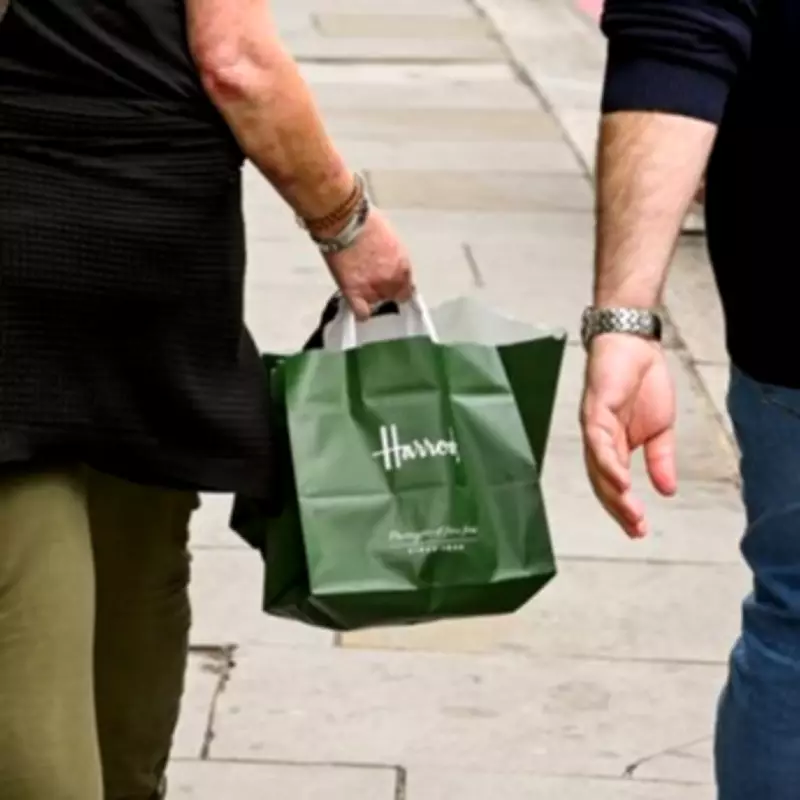
A social media influencer's purchase of a premium Too Good To Go bag from the iconic Harrods department store has ignited a fierce online discussion about whether luxury food waste reduction offers genuine value or merely offloads outdated seasonal products. Bryce, a TikTok content creator specializing in food reviews, recently splurged £24.99 on what he described as the "most expensive" mystery bag available on the app from the renowned Knightsbridge retailer.
The Ambiguous "Ambient" Bag Contents Revealed
Bryce initially believed the term "ambient" on the listing indicated he might receive any products from Harrods' extensive inventory. However, this designation actually refers to items that can be stored at room temperature, excluding any refrigerated goods. Upon opening the bag at home, he discovered five distinct products, all carrying a distinct Christmas theme despite the purchase occurring in April.
The contents included a 250g tin of Harrods Christmas Spiced Coffee with a best-before date of July 2026, originally retailing for approximately £15 during the holiday season. Next emerged a 200g tin of Harrods All Butter Chocolate Chunk Biscuits, currently available on their website for £14. The third item was a jar of Christmas Marmalade, typically priced around £7, followed by a heart-shaped Harrods-branded lollipop and a milk chocolate bar that would have retailed for £8.
Mathematical Value Versus Perceived Worth
Collectively, the items in Bryce's mystery bag carried an estimated retail value of £44, not including the unlisted lollipop. This means he technically saved nearly £20 on the combined products, representing significant mathematical value. Bryce expressed satisfaction with his acquisition, particularly noting the extended shelf life of the specialty coffee and the premium nature of the biscuits and chocolate.
However, social media reactions diverged sharply. Numerous commenters criticized the bag for consisting entirely of leftover Christmas stock that the luxury retailer was apparently trying to clear months after the holiday season. One skeptical observer remarked, "Absolutely not. They gave you leftover Christmas products in April. By January, they would have been tossed if they didn't sell. It's April!" Another added, "£24 for that isn't worth it. If there was more stuff, then yeah."
The Core Philosophy of Too Good To Go
The Too Good To Go application fundamentally operates on a food waste reduction model, enabling restaurants, cafes, and shops to sell surplus perishable items at substantially reduced prices rather than discarding them at day's end. Customers purchase mystery bags containing these items, accepting that products may be approaching their sell-by dates. The inherent gamble lies in not knowing precisely what will be included, as contents depend entirely on what each business has in surplus on any given day.
Defenders of Bryce's purchase highlighted that specialty items like the Harrods coffee would cost considerably more at standard supermarkets, let alone at an exclusive department store. One supporter commented, "Coffee is pretty expensive nowadays, so with specialty coffee included, £24 isn't too bad in my opinion." This perspective underscores the ongoing tension between the app's waste-reduction mission and consumer expectations regarding freshness, seasonality, and perceived value in luxury retail contexts.
The Harrods bag controversy ultimately illuminates broader questions about how high-end retailers participate in sustainability initiatives and whether consumers should adjust their value assessments when purchasing surplus luxury goods. While the mathematical savings were undeniable, the psychological impact of receiving Christmas-themed products in spring created a disconnect that overshadowed the financial benefit for many observers.