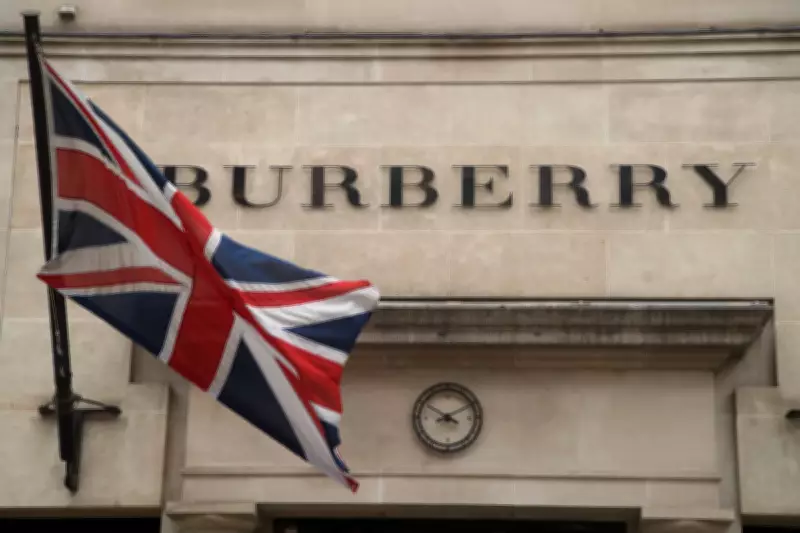
Burberry approaches its crucial full-year results amid a drastic turnaround, with hopes pinned on its bet on British luxury. The FTSE 100 fashion house will report on Thursday, aiming to deliver the first real evidence of its revamp after pivoting away from ultra-high fashion towards "timeless British luxury."
Cost-Cutting and Strategic Shift
Nearly a year ago, Burberry announced swingeing cuts to find £60 million in savings, responding to a £66 million loss with around 1,700 job cuts and plans to remove the entire night shift at its Yorkshire raincoat factory. These cuts came on top of a £40 million cost-cutting programme from November 2024, which boosted the share price by 17 percent. Chief executive Joshua Schulman, appointed in July 2024, previously hailed a six percent drop in underlying sales in the final quarter as a sign of improvement, compared to a 15 percent full-year drop.
Executive Stability and Creative Direction
Analysts stress that executive and creative stability is key to demonstrating progress. Burberry has held onto chief creative officer Daniel Lee since 2022, who previously led the resurgence of Bottega Veneta. The company has burned through designers in misguided attempts to revive the brand, briefly foraying into top-end fashion and designer bags. Dan Coatsworth, head of markets at AJ Bell, noted that Burberry had been discarding CEOs and creative directors "with all the abandon of an influencer steeped in fast fashion." The share price tumbled 55 percent from its April 2023 peak but has recovered about 19 percent in the past year.
Key Markets: China and Gen-Z
Burberry needs to recapture two key markets: China and Gen-Z. In its January update, the company reported six percent sales growth in Greater China, doubling from the previous quarter, and a 13 percent rebound in South Korea driven by Chinese tourism. It also saw double-digit growth in Gen-Z customers in Greater China and Asia Pacific, with strengthening reach among younger consumers globally. However, European tariffs imposed by the US have dragged down some resurgence, with share-price jumps after tariff loosenings highlighting the brand's vulnerability to US trade policy.
Burberry Forward Strategy
The turnaround is led by the "Burberry Forward" creative strategy, which leans back into scarves and trench coats to exude "timeless British luxury." The brand has enlisted British celebrities like Olivia Colman, Little Simz, Cole Palmer, and Eberechi Eze for campaigns. Richard Hunter, head of markets at Interactive Investor, said the shift towards traditional British imagery has begun to pay off, but the brand still needs to re-establish its heritage and innovation traits that appeal to overseas buyers and tourists.
Investors expect consensus revenue of £2.4 billion, earnings of 20p per share, and pre-tax profit of around £88 million. Burberry must deliver on these to inspire confidence in its turnaround.