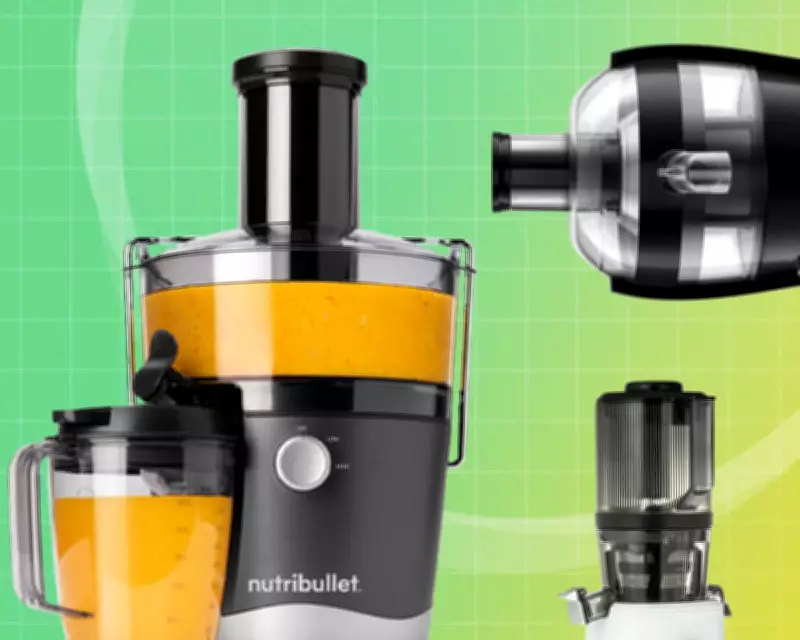
In the ever-evolving landscape of kitchen appliances, juicers have transformed from cumbersome, inefficient machines into sleek, high-performance tools that cater to the health-conscious consumer. Long before smoothies dominated our diets, juicers were a staple in wellness-focused households, albeit with their fair share of challenges—difficult cleaning processes and meager yields. Today, modern juicers offer enhanced efficiency, simpler maintenance, and versatility beyond mere fruit extraction.
Why Invest in a Juicer?
Homemade juice stands as the original health elixir, free from the preservatives and artificial treatments often found in store-bought alternatives. Freshly squeezed from fruits and vegetables, it delivers unparalleled flavor and nutritional benefits. However, it's important to note that juicing can strip away some of the vital fiber present in skins and flesh. Beyond health, the taste of homemade juice is a revelation—vibrant and pure, reminiscent of experiencing fruit for the first time. Additionally, juicing provides a clever way to incorporate vegetables into your diet, making it easier to consume greens that might otherwise be overlooked.
Our Testing Methodology
To bring you the most reliable recommendations, we subjected ten juicers to rigorous testing over three intensive days. Our selection included four slow juicers (also known as cold-press or masticating models), four fast juicers (centrifugal types), and two citrus juicers from leading manufacturers. Each machine was evaluated using a standardized set of ingredients: an orange, an apple, a carrot, and a handful of spinach leaves, all unpeeled except for oranges during citrus-specific tests.
We measured juice yield by weight to calculate efficiency percentages, assessed heat generation by comparing fruit and juice temperatures, and evaluated factors such as ease of cleaning, functionality relative to price, noise levels, and additional features like included accessories. All juicers were subsequently donated to charity or returned to manufacturers, ensuring ethical disposal.
Top Juicer Picks for 2026
Best Overall and Best Budget Juicer: Nutribullet Juicer
Priced under £100, the Nutribullet juicer excels with its wide chute, dual-speed settings, and generous 800ml jug. It's remarkably easy to clean, with most parts being dishwasher-safe. During testing, it added only 1.3°C to orange juice temperature and operated quickly, though it was less effective with leafy greens. With a solid build and a no-drip spout, it represents exceptional value for most households.
Best Compact Centrifugal Juicer: Philips Viva Collection Juicer
Ideal for those averse to washing up, this model features a clever sieve design that simplifies cleaning. Compact yet capable of juicing 1.5 litres, it offers stability with suction feet and includes a 500ml jug. It matched the Nutribullet in yield and added minimal heat (1.5°C), though its single-speed operation may limit versatility with tougher ingredients.
Best Juicer for Oranges and Citrus: Nama J2 Cold Press Juicer
With a hefty price tag of over £500, the Nama J2 is a premium choice for serious juicing enthusiasts. Its large hopper allows for batch processing, and it achieved an impressive 67% average yield, including 77% from oranges. However, its parts require hand-washing, and the size may be prohibitive for smaller kitchens.
Best Cold Press/Masticating Juicer: Kuvings Auto 6 Juice Extractor
This vertical slow juicer, priced around £360, boasts a 1.7-litre hopper and additional functions like sorbet making. It added just 1.1°C to orange juice and operated quietly, though it struggled with spinach alone. None of its parts are dishwasher-safe, necessitating thorough hand-cleaning.
Best Juicer for Small Kitchens: Ninja Cold Press Juicer with Anti-Clog Filter
Designed to fit under cabinets, this horizontal model includes storage for accessories and a drip-stop lever. It extracted 73% juice from oranges and 60% from apples, with minimal energy use. However, its narrow chute requires more food preparation, and carrot yield was lower at 36%.
Additional Recommendations
Other notable models include the KitchenAid Go Cordless citrus juicer for effortless squeezing, the Quest Nutri-Q power juicer as an entry-level option, and the Smeg citrus juicer for vintage aesthetics. The Sage Nutri Juicer Cold Plus offers rapid juicing with a large chute, while the Hurom H400 appeals with its sleek design but high cost.
Key Considerations When Choosing a Juicer
Ease of cleaning is paramount; look for models with accessible parts and durable construction. Motor size and energy consumption are less critical, as centrifugal juicers use power briefly, while slow juicers run longer but efficiently. Decide between centrifugal juicers for speed and affordability or masticating juicers for higher yield and quieter operation. Electric reamers are suitable for citrus-only needs but lack versatility.
Proper maintenance involves immediate cleaning to prevent residue buildup and ensure longevity. Most juicers are repairable with spare parts available, and recycling options exist through local centres or retailer take-back schemes. For budget-conscious shoppers, refurbished or secondhand juicers can be viable, but prioritize hygiene and warranty coverage.
In summary, selecting the right juicer depends on your specific needs—whether it's speed, juice quality, or kitchen space. Investing in a tested, durable model will provide years of healthy, delicious beverages. For further insights, explore our guides on blenders and other kitchen gadgets to complete your culinary arsenal.