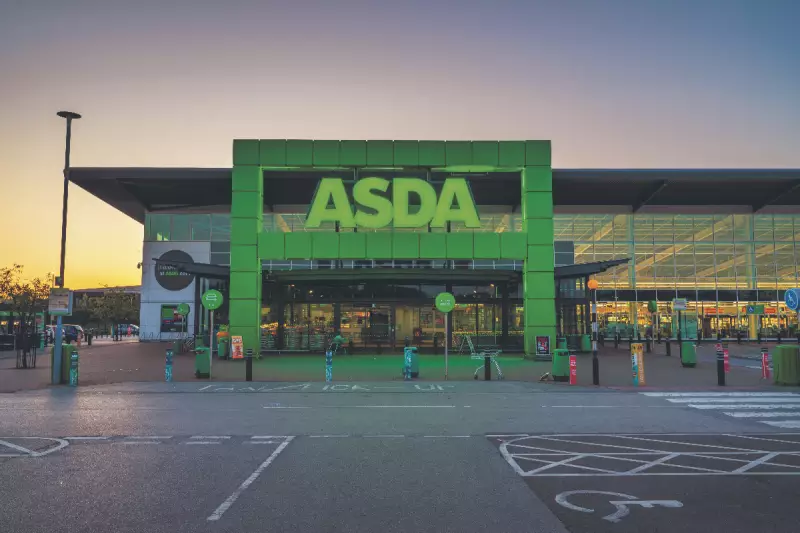
Asda Chairman Criticises Government's Economic Strategy
Asda's executive chairman Allen Leighton has launched a stinging critique of Chancellor Rachel Reeves' Autumn Budget, labelling it as anti-growth and anti-investment. The outburst came during a results call for the supermarket giant's third quarter, where Leighton stated the Budget "didn't do anything for anybody" and expressed concern that "there's nothing the government is doing that is stimulating growth."
Leighton emphasised the crucial link between business investment and national productivity, arguing that "You've got to incentivise business to invest. That's the way it works... until we grow, we'll have no productivity." His comments reflect broader business concerns about the Budget's approach to taxation and economic stimulus.
Sales Decline Following Major IT System Transition
The Leeds-based supermarket reported a 2.8 per cent drop in like-for-like sales for the third quarter, primarily attributed to what Leighton described as a "pretty severe disruption of our systems" during the handover from previous owner Walmart.
The complex IT migration, known as Project Future, involved separating more than 2,500 legacy systems and moving every aspect of Asda's operations to its own platforms. This technological upheaval significantly impacted stock accuracy and flow from depots to stores, leading to inconsistent product availability that hit sales performance.
Despite these challenges, Asda's turnover excluding fuel remained substantial at £5.1 billion for the quarter. The ownership structure has evolved since Walmart completed the sale of its majority stake to the Issa brothers and TDR Capital in February 2021, with TDR Capital now holding majority control after buying out one of the billionaire brothers last year.
Recovery Timeline and Future Outlook
Leighton provided a sobering assessment of the recovery timeline, indicating that Asda doesn't expect to re-establish its second-quarter 2025 performance levels until Q2 2026. This represents a significant delay to the supermarket's turnaround plans, which had shown promising progress earlier in the year.
The executive chairman acknowledged the severity of the disruption but expressed confidence in the company's financial position following a recent supermarket sell-off that raised nearly £600 million. Leighton described this move as "not a sign of weakness" and stated he feels "good" about Asda's balance sheet.
In a formal statement, Leighton outlined the recovery progress: "We have made good progress stabilising our platforms and the worst of the disruption is now behind us. Availability is back to where it was in June, operational issues are reducing and performance in recent weeks is improving." He thanked colleagues for their hard work and customers for their patience during the challenging transition period.