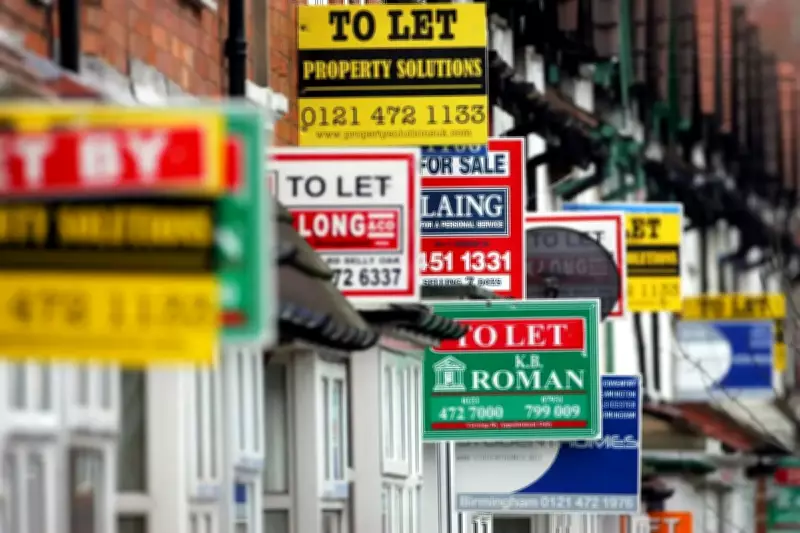
A closely-watched survey from Halifax, one of the UK's largest mortgage lenders, has revealed that house prices slipped again in April. The lender attributed the decline to rising energy prices and inflation expectations, which have pushed up borrowing costs for homebuyers.
Monthly and Annual Trends
The monthly rate of decline slowed to 0.1% in April from 0.5% in March, bringing the average UK house price to £299,313, down from £299,609. On an annual basis, prices continued to rise but at a slower pace of 0.4%, compared to 0.8% in March.
Impact of Energy Prices and Inflation
Amanda Bryden, Halifax's head of mortgages, said: "After a strong start to the year, recent global developments have added a greater degree of uncertainty to the outlook. In particular, higher energy prices have fed into inflation expectations, prompting markets to reassess the path for interest rates – a shift that has already pushed up borrowing costs for many buyers."

The Bank of England has all but confirmed that interest rates will be hiked in the coming months as oil prices have surged. Despite holding rates at its last meeting, the Monetary Policy Committee warned that rates could climb back to 5.25% from the current 3.75%, reversing six rate cuts over the past two years. This scenario assumes oil prices exceed $130 per barrel and remain high for 18 months.
The Bank's updated forecasts suggest inflation could exceed 6%, while economic growth would also suffer.
Market Resilience
Bryden noted that the revised outlook for interest rates "understandably leads to more caution among some households." However, she described the housing market as "resilient," adding: "While activity is likely to cool in the near term, the underlying picture remains one of relative stability, supported by wage growth that continues to outpace house price inflation."