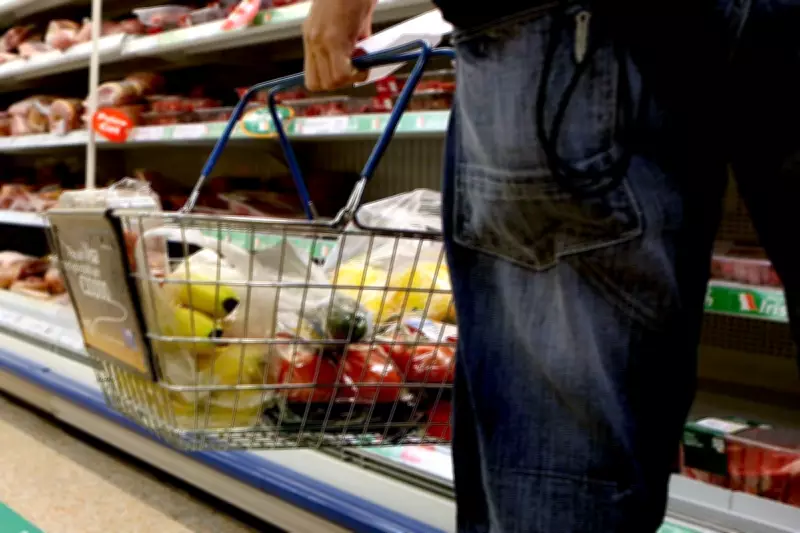
UK food prices are on track to be 50 per cent higher by November compared to levels at the start of the cost-of-living crisis, piling fresh pressure on households already struggling with rising bills, according to new analysis from the Energy and Climate Intelligence Unit (ECIU).
Grim Milestone for Food Inflation
The think tank warns the surge would mark a “grim milestone”, with price growth over just five years matching what previously took nearly two decades. A mix of climate-driven extreme weather, global supply chain disruption and continued exposure to volatile oil and gas markets is accelerating food inflation.
Staples See Sharp Rises
Staples including pasta, frozen vegetables, eggs and beef have already risen between 50 and 64 per cent since 2021, while olive oil prices have more than doubled. More recently, items such as butter, milk, chocolate and coffee have driven further increases, with prices rising more than four times faster than other food categories.
Impact on Households
Households have already felt the impact, with average food bills rising by around £605 over 2022 and 2023, according to the ECIU. Energy-related costs alone accounted for roughly £244 of that increase.
Chris Jaccarini, food and farming analyst at the think tank, said the current geopolitical backdrop risks pushing prices even higher. “Trump’s war in the Middle East is set to drive shopping bills higher as oil and gas prices spike,” he said, adding that climate pressures including droughts, floods and heatwaves were compounding the problem.
Households Already Cutting Back
The warning comes as millions of households are already scaling back food consumption. Research from Which? found around three million UK households are skipping meals, with one in ten now going without food entirely at times.
Consumer confidence has also slumped, with 71 per cent of adults expecting the economy to worsen over the next year and 85 per cent concerned about food prices. Families are increasingly turning to cheaper alternatives, with 43 per cent buying lower-cost products and more than a third relying on budget supermarket ranges.
Anna Taylor, executive director of the Food Foundation, said: “Food prices rising this high and this fast leaves families on the lowest incomes with nowhere left to cut except the food on their plate. When that happens, people skip meals, children go hungry, and diet-related illness rises.”
Long-Term Impact of Conflicts
Ministers have also warned that the economic effects of the Middle East conflict – including higher energy and fertiliser costs – could continue feeding through into food prices for months, even after tensions ease. Chief secretary to the Treasury Darren Jones said the impact could last “eight-plus months” after any resolution, as higher input costs filter through supply chains.
Current Inflation Data
Despite the pressure, official data shows grocery price inflation is currently running at 3.8 per cent annually, suggesting the full impact of recent geopolitical shocks has yet to hit supermarket shelves. Meanwhile, households are trying to offset rising costs by cutting waste, with WRAP data showing food waste has fallen slightly in recent years – although families still throw away around £1,000 worth of edible food annually.