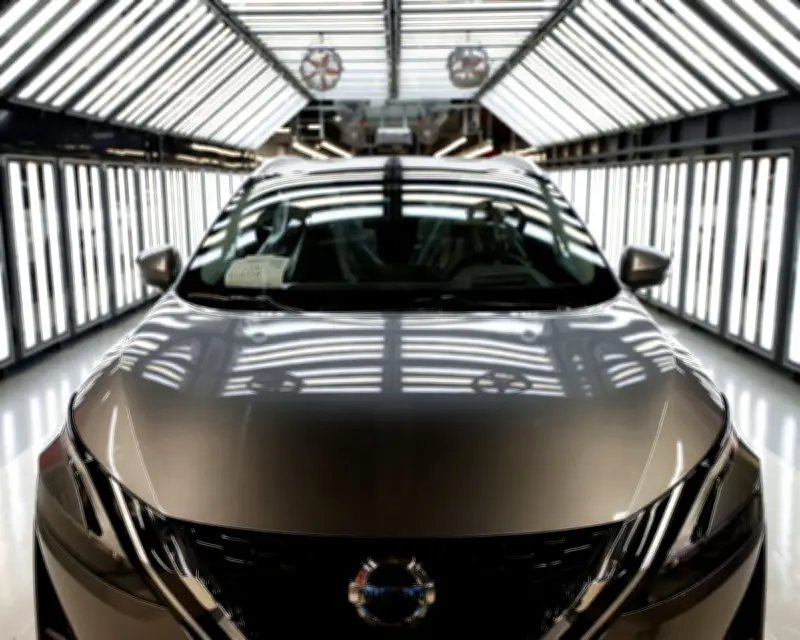
Nissan confirms electric Qashqai production in Sunderland
Nissan has announced that it will build an electric version of its popular Qashqai SUV at its Sunderland plant, securing the future of the factory and around 6,000 jobs. The Japanese automaker is investing £1.1bn in the project, which includes upgrades to the plant and a new battery factory, as part of the UK's transition to electric vehicles.
Investment and job security
The investment, supported by the UK government, will safeguard jobs at the Sunderland plant and in the wider supply chain. Nissan's Sunderland facility is one of the UK's largest car factories, producing the Qashqai, Juke, and Leaf models. The electric Qashqai is expected to roll off the production line by 2028, according to the company.
Nissan's chief operating officer, Ashwani Gupta, said: "This investment is a vote of confidence in the UK's automotive industry and our Sunderland team. The electric Qashqai will be a key part of our electrification strategy."

Government support and industry impact
The UK government has pledged £100m in support for the project, part of its strategy to boost electric vehicle manufacturing and battery production in the country. Business Secretary Kwasi Kwarteng said: "Nissan's decision is a huge vote of confidence in the UK's automotive sector and our commitment to net-zero. This will create thousands of skilled jobs and drive economic growth."
The announcement comes as the UK aims to phase out new petrol and diesel car sales by 2030. The electric Qashqai will compete with other electric SUVs, such as the Tesla Model Y and Volkswagen ID.4.
Battery factory and supply chain
Nissan is also building a new battery factory in Sunderland, in partnership with Envision AESC, to supply the electric Qashqai and other models. The factory will have an initial capacity of 9 GWh per year, enough for around 100,000 vehicles, and will create 750 new jobs.
The investment is expected to boost the local economy and support the UK's battery supply chain, which is seen as critical to the future of the automotive industry.